






The Roasting Revelation
Forget bland, mushy vegetables from your past. Roasting is a culinary magic trick that transforms humble produce into crave-worthy dishes. The high heat
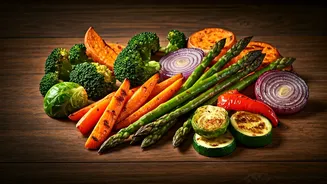
in the oven caramelizes the natural sugars present in vegetables, creating delightful golden-brown edges and a depth of flavor that boiling or steaming simply cannot achieve. This process intensifies sweetness, adds complexity, and yields satisfyingly tender interiors with pleasingly crispy exteriors. It’s an effortless method that requires minimal hands-on time, making it an ideal choice for busy cooks, picky eaters, and anyone looking to add a healthy, flavorful side to their meals. From addictive broccoli to candy-like carrots, roasting elevates every vegetable it touches, proving that the problem wasn't the vegetables themselves, but how we were cooking them.
Cauliflower's Transformation
Cauliflower, when roasted, undergoes a delightful metamorphosis. It transforms from its usual mild-mannered self into a dish with crispy, nutty florets and an almost buttery undertone, a far cry from its boiled counterpart. To prepare it, cut the cauliflower into uniformly sized medium florets. For an Indian-inspired flavor profile, toss them with a blend of oil, turmeric, red chilli powder, and salt. Alternatively, a Western approach might use olive oil, garlic powder, and Italian herbs. Roast these seasoned florets in a preheated oven at 220°C (425°F) for about 20-25 minutes, until they achieve that perfect golden-brown crispness. For an extra zing after roasting, a sprinkle of chaat masala adds a wonderfully tangy finish.
Broccoli's Crispy Charm
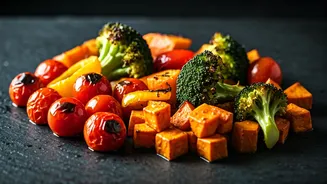
Roasting imbues broccoli with an almost pakora-like crispiness on its florets, achieved without any deep-frying. The stalks also become wonderfully tender and subtly sweet. When preparing broccoli for roasting, cut it into florets, ensuring some of the stem remains attached. It's important not to cut the pieces too small, as they risk burning before they cook through. Place the seasoned florets on a baking sheet and roast at 220°C (425°F) for 15-20 minutes. A fantastic tip to enhance the flavor once they are out of the oven is to squeeze fresh lemon juice over the hot, crispy broccoli. The acidity beautifully brightens all the roasted flavors.
Sweet Potato's Sweetness
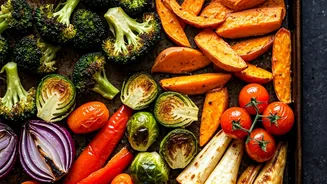
Sweet potatoes are a natural star when roasted, as their inherent sweetness intensifies significantly. The roasting process creates beautifully caramelized edges, while the interior becomes wonderfully creamy and soft. For preparation, peel the sweet potatoes and cut them into uniform cubes, approximately 2cm in size. Cutting them too small can lead to them drying out during the cooking process. Roast these cubes in a preheated oven at 200°C (400°F) for 30-35 minutes, until tender and slightly browned. For a delightful Indian twist, toss the cubed sweet potatoes with cumin powder, coriander powder, and amchur (dried mango powder) before roasting, infusing them with a sweet and tangy profile.
Carrots & Bell Peppers
Carrots, when roasted, achieve a delightful candy-like sweetness with slightly charred edges due to the caramelization of their natural sugars. To prepare them, peel and cut them into thick batons or rounds, ensuring they are chunky enough to prevent overcooking. They typically require 25-30 minutes of roasting at 200°C. Bell peppers, particularly red, yellow, and orange varieties, become exceptionally sweet and develop a slightly smoky flavor as their skins blister beautifully during roasting. Cut them into thick strips or large chunks and roast at 220°C for 15-20 minutes. Both can be enhanced with honey and sesame seeds (carrots) or incorporated into pasta, sandwiches, or grain bowls (peppers).
Zucchini & Red Onions
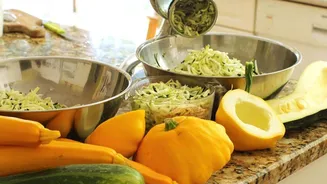
Zucchini, when roasted, develops appealing golden edges while its interior remains pleasingly tender. Its mild flavor readily absorbs any spices it's seasoned with. Cut zucchini into thick rounds or half-moons; avoid slicing them too thinly to prevent them from becoming mushy. Roast at 220°C for 15-20 minutes. Be mindful that zucchini releases water, so ensure adequate spacing on the baking tray to promote roasting rather than steaming. Red onions transform into incredibly sweet, jammy morsels, losing their sharp bite entirely. Cut them into thick wedges, keeping the root end intact to hold them together, and roast at 200°C for 25-30 minutes. They are fantastic atop burgers, in salads, or served with grilled meats.
Brussels Sprouts Unveiled
Brussels sprouts, when subjected to the high heat of roasting, achieve a remarkable transformation, developing crispy outer leaves and a tender, nutty-sweet interior. This is a stark contrast to the often unappealing flavor and aroma of boiled Brussels sprouts. To prepare them, trim the stem ends and cut the sprouts in half, discarding any yellowed outer leaves. They require roasting at 220°C for 20-25 minutes until they reach this desirable crispy-tender state. A clever finishing touch for Brussels sprouts is to drizzle them with balsamic vinegar during the last five minutes of roasting, adding a delightful tangy complexity.
Roasting Techniques for Success
Achieving perfectly roasted vegetables relies on a few key techniques. Firstly, ensure all vegetable pieces are cut to a similar size for uniform cooking; uneven pieces will result in some being overcooked while others are underdone. Secondly, never overcrowd the baking tray. Vegetables need ample space to brown and crisp; overcrowding leads to steaming. If necessary, use two trays. Thirdly, be generous with oil; a light coating of about 2-3 tablespoons per tray is essential for browning and to prevent sticking. Fourthly, high heat is crucial – maintain an oven temperature between 200-220°C. Finally, remember to flip the vegetables halfway through the roasting time to ensure even browning on all sides, and don't shy away from letting them develop those dark, flavorful edges.