






Safety First Approach
Recent events in Hampi, including a tragic crime and subsequent swift justice, underscore the paramount importance of safety for attracting and retaining
tourists. While the rapid apprehension and conviction of perpetrators in the gang-rape and murder case offer a degree of reassurance, the incident inflicted significant reputational damage and deterred visitor numbers. This highlights that a welcoming slogan like 'Athithi Devo Bhava' requires tangible actions on the ground, translating into a genuine sense of security for all visitors, particularly women. Many foreign tourists have reported negative experiences in India, ranging from harassment to more severe crimes. While legal proceedings can sometimes bring closure, a system where perpetrators often escape with light sentences or avoid punishment due to victims' departure needs reform. Enhancing tourism infrastructure, with a strong focus on safety, is therefore critical. This involves not only sensitizing local communities and governments to the long-term economic benefits of tourism but also strengthening tourist police. Many states have such units, but they are frequently understaffed and inadequately trained. Collaborative efforts, where local bodies supplement resources and personnel, alongside community training, can build robust safety nets. Countries like Sri Lanka have successfully developed their tourism economies and generated substantial employment by prioritizing such 'soft infrastructure' investments, a model India should emulate.
Managing Visitor Flow
Hampi, a UNESCO World Heritage Site renowned for its architectural grandeur, faces the perennial challenge of managing tourist influx. While a high volume of visitors can significantly benefit the local economy, it also poses a threat to the delicate historical structures and the surrounding natural environment. Excessive crowds can accelerate wear and tear on ancient monuments, and insufficient waste management can detract from the site's inherent beauty. Consequently, a carefully calibrated approach is essential to regulate visitor numbers. Strategies such as implementing timed entry passes, setting daily visitor caps, or actively promoting travel during the off-peak seasons can help mitigate these pressures. This ensures that the site's historical integrity is preserved for future generations while still allowing a substantial number of people to experience its unique allure. A balanced approach that prioritizes conservation alongside visitor access is key to sustainable heritage tourism.
Enhancing Visitor Experience
To elevate Hampi from a historical marvel to a consistently appealing destination, significant investment in infrastructure and amenities is imperative. While the site beautifully preserves a glimpse into the past, modern travelers increasingly expect contemporary conveniences. This includes ensuring well-maintained and accessible roads leading to and within the site, providing clean and well-equipped public restrooms, and offering a range of comfortable and suitable accommodation options. Efficient and reliable local transportation systems are also crucial for enhancing visitor mobility and convenience. By prioritizing development in these areas, the overall visitor experience can be substantially improved, encouraging longer stays and fostering repeat visits. Such upgrades not only benefit tourists but also stimulate local businesses and contribute to the region's economic development, creating a more dynamic and appealing destination.
Community Empowerment
The active involvement and empowerment of the local community are fundamental to the thriving success of Hampi as a tourist destination. By providing opportunities and support to local artisans, tour guides, and service providers, the tourism experience can become more authentic and deeply enriching for visitors. This not only ensures that the economic benefits of tourism are distributed locally, fostering economic growth within the community, but also cultivates a profound sense of ownership and pride in preserving the region's invaluable heritage. When local residents are directly involved and benefit from tourism, they become natural custodians of the site, contributing to its long-term preservation and promoting responsible visitor behavior. This collaborative approach strengthens the connection between tourists and the local culture, creating a more meaningful and sustainable tourism ecosystem.
Strategic Promotion
Effective marketing and promotional strategies are vital for showcasing Hampi's distinctive offerings to a wider global audience. Leveraging contemporary digital platforms, including social media and dedicated travel websites, can significantly amplify reach. Furthermore, engaging in collaborations with travel bloggers and influential social media personalities can introduce Hampi to new demographics. Participating in international tourism fairs and expos provides a crucial platform to connect with potential visitors and industry professionals worldwide. By meticulously highlighting Hampi's unparalleled historical significance, its breathtaking natural beauty, and the unique cultural experiences it provides, a diverse spectrum of travelers can be attracted. A compelling narrative that communicates the essence of Hampi's allure is key to standing out in the competitive global tourism market.
Heritage Preservation Priority
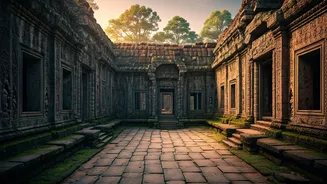
At the core of Hampi's tourism strategy must be the unwavering priority of heritage preservation. This necessitates a concerted and collaborative effort involving government agencies, seasoned archaeological experts, and the local community. Implementing stringent regulations for any construction or development activities in proximity to the heritage zone is paramount. Promoting and enforcing responsible tourism practices among visitors is equally crucial to minimize any adverse impact on the ancient structures and the environment. Sustained investment in conservation initiatives and restoration projects is essential to safeguard this irreplaceable UNESCO World Heritage Site. By committing to these measures, Hampi can be meticulously preserved for the enjoyment and education of future generations, ensuring its legacy endures.