


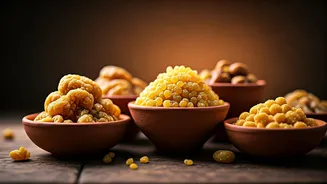
Harisa: A Winter Warmer
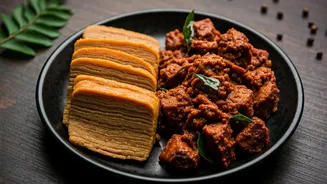
Harisa, a dish that often graces winter tables, is a testament to the slow-cooking traditions that define many regional cuisines. It typically comprises
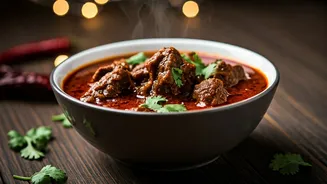
slow-cooked meat (often lamb) and wheat, simmered together for hours to achieve a porridge-like consistency. The long cooking process not only tenderizes the meat but also allows the flavors to meld beautifully. Spices such as cardamom, cinnamon, and cloves are commonly added, giving it a rich aroma and warmth. Harisa's origins can be traced to various regions, showcasing the versatility of simple ingredients transformed into a complex and satisfying dish, perfect for combating the winter cold. This dish is usually made in the northern parts of India.
Avarekalu Saaru's Comfort
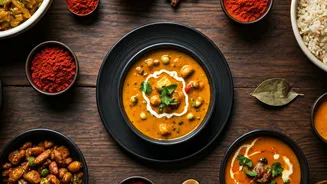
Avarekalu Saaru represents a flavorful delight. This lentil-based dish is a staple in many South Indian households, especially during winter when fresh field beans (avarekalu) are in season. The saaru, or broth, is typically made by cooking the beans with spices such as tamarind, tomatoes, and chilies. The cooking process infuses the broth with the earthy flavor of the beans. Avarekalu Saaru is a testament to the use of seasonal ingredients in Indian cuisine, showcasing how simple, locally sourced produce can create dishes that warm the body and soul during the cooler months, providing both nourishment and comfort. It's often paired with rice or roti for a complete and satisfying meal.
Ratalachya Gharya Delight
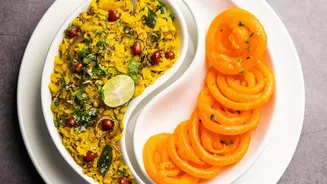
Ratalachya Gharya is a sweet dish that is especially popular in some regions during the colder periods. This treat features sweet potatoes, often mashed or grated, which are then combined with jaggery, cardamom, and other spices. The ingredients are shaped into dumplings or patties and then either fried or baked to create a dish that is both comforting and flavorful. The sweetness from the jaggery combined with the spices' warmth is a perfect combination. Ratalachya Gharya is a celebration of the season, showcasing the ingenuity of using the winter harvest to create desserts.
Milagu Kuzhambu's Spicy Kick
Milagu Kuzhambu, a South Indian specialty, is a peppery and flavorful dish that comes into its own during the winter. This kuzhambu (gravy) gets its distinctive heat from the generous use of black peppercorns (milagu). Typically, the peppercorns are ground with other spices, such as cumin, coriander, and asafoetida, before being cooked in a tamarind-based broth. This hearty dish is known for its ability to clear sinuses and warm the body, making it a perfect meal to combat the effects of winter. The dish is known for its medicinal qualities, and a single bite is sure to bring warmth.
Shufta Kanaguchhi's Sweetness
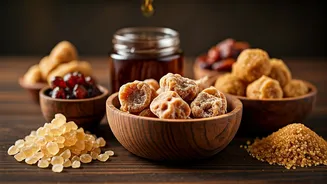
Shufta Kanaguchhi is a Kashmiri dessert, adding a touch of festive warmth to the winter months. Made with dried fruits (such as apricots, dates, and raisins) and nuts, Shufta Kanaguchhi is often sweetened with sugar or honey and flavored with aromatic spices like cardamom and saffron. It’s a delightful combination of textures and flavors, from the chewiness of the dried fruits to the crunch of the nuts. Shufta Kanaguchhi is a symbol of celebration and indulgence, embodying the spirit of warmth and conviviality that defines winter in many Indian households, and is the perfect dish to share with loved ones during the season.
Ganne Wala Chawal's Simplicity
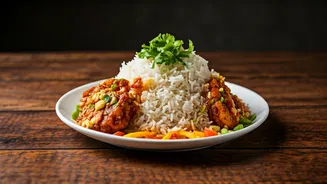
Ganne Wala Chawal, a simple yet comforting dish, is a testament to the beauty of simplicity in Indian cuisine, often enjoyed in winter. This dish typically involves cooking rice with sugarcane juice (ganne ka ras). The resulting dish is subtly sweet and has a unique flavor profile, with the sugarcane adding a natural sweetness and depth. The preparation often includes aromatic spices like cardamom and cloves, infusing warmth into the rice. Ganne Wala Chawal is a humble dish that highlights the importance of seasonal ingredients and offers a comforting and satisfying meal perfect for the winter season.
Lehsun Ki Kheer's Creaminess
Lehsun Ki Kheer is a unique take on the traditional kheer, a creamy rice pudding popular in many parts of India. However, this version features garlic (lehsun) as one of the main ingredients, alongside milk, rice, and sugar. The garlic is cooked slowly to mellow its flavor. The kheer is often flavored with cardamom, saffron, and nuts. This kheer may seem unusual, but it offers a unique combination of flavors, with the sweetness of the kheer complementing the subtle garlic undertones. Lehsun Ki Kheer is a winter treat, showcasing the resourcefulness of Indian cooks who use diverse ingredients to create memorable dishes.
Raab: A Warming Drink
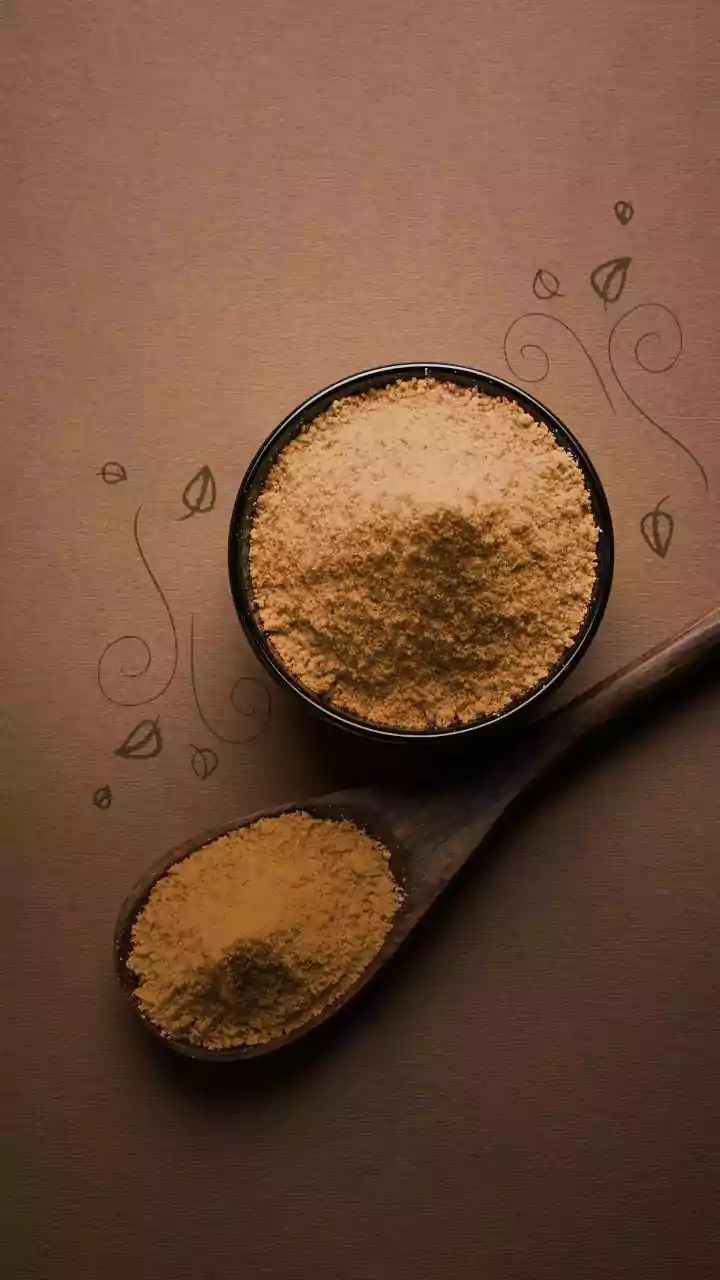
Raab, a traditional winter drink, is frequently consumed in North India. This beverage is often made with bajra (pearl millet) flour, jaggery, and spices like ginger and cardamom. It is known for its warming properties and is considered beneficial during the cold months. The preparation involves simmering the ingredients until the raab thickens and develops a rich, earthy flavor. Raab provides nourishment and a sense of well-being, highlighting the health-conscious aspects of Indian winter cuisine. It is a simple yet effective remedy for keeping warm and providing energy during the coldest part of the year.
Hokh Syun's Flavor Profile
Hokh Syun is a unique and lesser-known dish, especially from the Ladakh region, offering a taste of the diverse culinary landscape of India. It typically consists of sun-dried vegetables and is known for its complex flavor profile. The vegetables are often cooked with a blend of spices, creating a flavorful and warming broth. The method of drying vegetables allows for preservation and concentration of flavors, making Hokh Syun a winter staple. It highlights the importance of preserving the harvest and using traditional methods to create dishes. Hokh Syun exemplifies the diverse culinary techniques and flavor profiles of India.
Daulat Ki Chaat's Lightness
Daulat Ki Chaat, despite its lightness, is a cherished winter treat, particularly in certain regions of North India. This dessert is made by whipping milk overnight with cream, resulting in a cloud-like, airy texture. The whipped mixture is typically flavored with saffron, cardamom, and nuts. It's often served cold, providing a refreshing contrast to the heavier winter dishes. Daulat Ki Chaat showcases the art of creating simple yet elegant desserts, offering a light, flavorful experience. It is a celebration of the season, and its delicate texture and flavor make it a unique experience during the colder months.