
The Ring Road Adventure
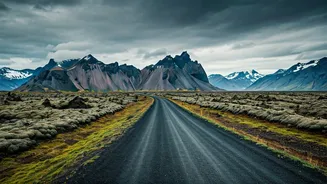
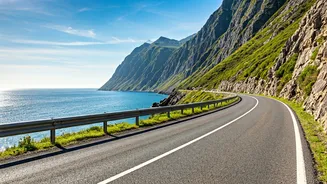
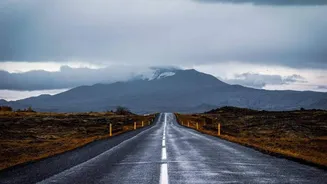
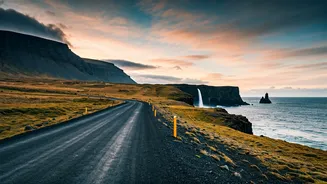
The quintessential Icelandic road trip, the Ring Road (Route 1), circumnavigates the entire island, offering an unparalleled journey through its diverse
geological tapestry. Spanning approximately 1,332 kilometers, this route is best tackled over 7 to 10 days to truly appreciate its wonders, though extending your stay allows for deeper exploration. Along the southern coast, you'll encounter iconic waterfalls like Seljalandsfoss and Skógafoss, the dramatic black sands of Reynisfjara beach, the charming village of Vík, and the breathtaking Jökulsárlón glacier lagoon with its adjacent Diamond Beach. Venturing further, the East Fjords present a rugged coastal beauty punctuated by quaint fishing hamlets, such as Seyðisfjörður. North Iceland beckons with the geothermal delights of Mývatn Nature Baths, the thundering Dettifoss waterfall, the whale-watching hub of Húsavík, and Akureyri, often dubbed the 'Capital of the North.' Finally, West Iceland offers the Snæfellsnes Peninsula, a microcosm of Iceland's varied landscapes, and the town of Borgarnes.
Golden Circle Charm
The Golden Circle presents an accessible and classic route, ideal for a day trip from Reykjavík or as an initial foray into Iceland's wonders. This route elegantly links three of the nation's most celebrated natural sites. Þingvellir National Park, a UNESCO World Heritage site, is a place of immense historical significance and geological intrigue, marking the visible rift where the North American and Eurasian tectonic plates are slowly diverging. Nearby, the Geysir Geothermal Area is a spectacle of natural power, characterized by the erupting Strokkur geyser, which reliably spouts every few minutes, and the less active Great Geysir. Completing the trio is Gullfoss waterfall, a magnificent, multi-tiered cascade that commands awe with its sheer force and beauty.
Snæfellsnes Peninsula Wonders
Often dubbed 'miniature Iceland' for its condensed display of diverse natural phenomena, the Snæfellsnes Peninsula is a highly rewarding road trip for those seeking a concentrated experience of Iceland's varied environments. This peninsula, easily reachable from Reykjavík, can be thoroughly explored within one to three days. Key attractions include the iconic Kirkjufell mountain, frequently captured by photographers, and Djúpalónssandur beach, a striking black pebble shore adorned with remnants of a shipwreck. The coastal villages of Arnarstapi and Hellnar offer dramatic cliff formations and scenic beauty. The Snæfellsjökull National Park, crowned by the mystical glacier-capped volcano of the same name, provides further opportunities for exploration and immersion in the peninsula's unique character.
The Remote Westfjords
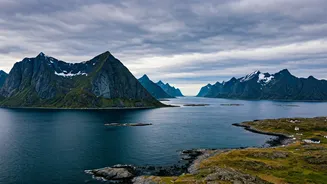
The Westfjords represent Iceland's most untamed and rugged territory, promising an experience that is both wilder and less frequented by tourists. This region is defined by its spectacular fjords, imposing cliffs, abundant birdlife, and picturesque fishing villages. Navigating the Westfjords typically requires more time, and a four-wheel-drive vehicle is strongly advised, particularly outside the summer months, to handle the varied road conditions. Notable highlights include the Látrabjarg cliffs, the westernmost point of Europe and a vibrant sanctuary for puffins during the summer season, and the magnificent, multi-tiered Dynjandi waterfall. Ísafjörður, the largest settlement in the Westfjords, serves as a charming hub, while the Hornstrandir Nature Reserve offers a truly wild and pristine wilderness for the most adventurous travelers.
Highlands Off-Road Expedition
For the intrepid explorer seeking the ultimate off-road adventure, the Icelandic Highlands present a starkly beautiful, almost extraterrestrial landscape. This interior region is characterized by vast volcanic deserts, active geothermal areas, and imposing mountains. Access to the Highlands is strictly limited to the summer months, generally from late June to early September, and necessitates a robust four-wheel-drive vehicle capable of traversing rivers. Many of the routes here are designated F-roads, which are mountain tracks. Among the prime destinations are Landmannalaugar, renowned for its vibrantly colored rhyolite mountains and natural hot springs, and Þórsmörk (Thorsmork), a stunning valley nestled between glaciers, accessible only through challenging river crossings. The Askja caldera, a massive volcanic crater with a captivating geothermal lake, is another spectacular site within this rugged terrain.
Blue Diamond Route
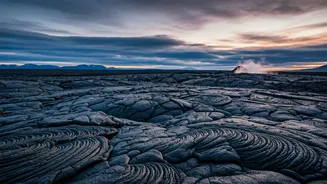
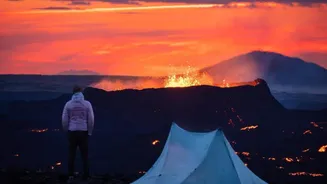
The Blue Diamond tourist route offers an immersive experience in the otherworldly lava landscapes of the Reykjanes Peninsula, southwest of Reykjavík. This loop begins and ends at Keflavík International Airport, covering approximately 75-115km and is best explored over 1-3 days. The route showcases the visible boundaries between the American and Eurasian tectonic plates, with abundant signs of geothermal and volcanic activity. The iconic Blue Lagoon, a world-renowned geothermal spa, releases steam into the sky, while the volcanic valley of Geldingadalir, which last erupted in 2021, continues to draw visitors with its dramatic lava formations. The route also leads past the windswept shores near Reykjanes Lighthouse and the mystical Kleifarvatn Lake, rumored to harbor a massive, whale-like creature. Numerous hiking trails also invite exploration of this geologically active region.
Road 435 Summer Drive
For a unique perspective on the popular Golden Circle, Route 435, known as Nesjavallaleið, offers a scenic summer alternative. This route, accessible only during the warmer months, commences on the outskirts of Reykjavík and meanders through moss-covered lava fields, featuring exhilarating climbs and descents with distant, stunning views of Þingvallavatn Lake. Marked hiking trails are plentiful, encouraging road-trippers to leave their vehicles and engage directly with the striking scenery. The Nesjavallavirkjum Power Plant and the adjacent Laugarvatn Fontana geothermal baths are notable stops. The route continues past tranquil lakes, including Úlfljótsvatn, before reaching the perfectly circular Kerið crater lake, a classic Golden Circle attraction. After experiencing the grandeur of Gullfoss waterfall and the Geysir geothermal area, travelers can return to Reykjavík via Þingvellir National Park.
Remote East Fjords Exploration
Embarking from Egilsstaðir in East Iceland, the exploration of the magical East Fjords unveils a region steeped in maritime heritage and natural splendor. A visit to Vopnafjörður includes the unique experience of swimming in an outdoor geothermal pool situated by a salmon-rich river. Travelers can opt for the challenging but scenic Route 917 over the Hellisheiði eystri mountain pass or return via Route 85 and Route 1 to Borgarfjörður eystri. The village of Bakkagerði, a base for hiking and home to a puffin-watching house, hosts a popular music festival in July. The trek to Stórurð, a stunning turquoise lake surrounded by massive boulders, is a particularly favored route. In Eskifjörður and Neskaupstaður, elegantly restored historic houses highlight the area's seafaring past, with options to dine at atmospheric restaurants like Mariuver in Eskifjörður and Kaffihús in Neskaupstaður. The journey continues through Fáskrúðsfjörður to Stöðvarfjörður, where a museum showcases a dazzling array of local crystals and minerals.
Westfjords by Road & Ferry
For an experience steeped in dramatic grandeur, the Westfjords beckon. Starting from Reykjavík, the drive north traverses the tranquil rural region of Dalir, where the Erpsstaðir dairy farm offers a delightful stop for sampling homemade cheeses and learning about traditional farming. Nearby historical sites include the Saga-Aged Settlement Centre, a living museum detailing Viking-era life, and Guðrúnarlaug, a replica of a pool central to the Laxdæla saga. Upon reaching the Westfjords, Bíldudalur offers the SjávarSmiðjan seaweed baths, rumored to possess healing properties. The subsequent drive along the southern coast, often on steep gravel roads, is both awe-inspiring and challenging. Rewards include the unique red-sand beach at Rauðasandur and the breathtaking views from Látrabjarg, Europe's westernmost point, teeming with seabirds, including puffins. The journey can conclude with a ferry from Brjánslækur to Stykkishólmur, with a stop at the idyllic, time-frozen island of Flatey, before continuing to the Snæfellsnes Peninsula.