





Nourishment from Stale Bread
Massimo Bottura's culinary journey began not in haute cuisine kitchens, but in his grandmother's home, where he learned the invaluable lesson of respecting
food and minimizing waste. He fondly recalls simple dishes made from ingredients that might otherwise be discarded, like stale bread soaked in warm milk and sugar, transforming humble components into comforting sustenance. This fundamental principle of resourcefulness and appreciation for every morsel became a cornerstone of his philosophy. Years later, this deeply ingrained respect for food evolved into a powerful mission, sparking the creation of Food for Soul, a non-profit organization co-founded with his wife, Lara Gilmore. The initiative was born from the desire to tackle two critical global issues simultaneously: the immense problem of food waste and the persistent challenge of food poverty. It represents a profound commitment to ensuring that edible food finds its way to those who need it most, rather than ending up in landfills.
Rescuing Food, Restoring Dignity
The core concept of Food for Soul is elegantly straightforward yet remarkably impactful. The organization actively intercepts surplus food destined for disposal and meticulously transforms it into wholesome, delicious meals. This culinary alchemy is achieved through the dedicated efforts of professional chefs and enthusiastic volunteers. However, Bottura's vision extends far beyond mere logistical food redistribution; it's a holistic endeavor. The ultimate aim is not simply to alleviate hunger but to cultivate environments where individuals feel genuinely welcomed, recognized, and esteemed. Food for Soul operates under the guiding principle that excess food possesses the potential to become more than just sustenance; it can embody hope and restore a profound sense of dignity. This belief is the bedrock upon which their innovative Refettorio model is constructed, creating spaces that nourish both body and spirit.
Beauty in Aid's Design
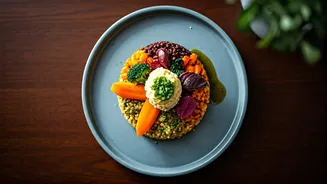
The initial experimental ground for this transformative idea was Refettorio Ambrosiano, established in a pre-existing, albeit disused, 1930s theatre located in Milan's Greco district. Here, ingredients that were on the brink of being wasted were artfully reimagined into meals for those facing hardship. Crucially, the space itself was designed to exude beauty and warmth, deliberately countering the often bleak and sterile atmosphere associated with aid facilities. Bottura's project consciously challenges the pervasive notion that charitable assistance must inherently appear austere to be perceived as serious. In Milan, the nourishing meal was only one facet of the message; the environment itself communicated a powerful statement: 'You belong here.' This emphasis on creating an inclusive and welcoming ambiance underscores the project's commitment to treating recipients with the utmost respect and recognizing their inherent worth.
Rio's Reinvention of Surplus
This profound philosophy of integrating beauty and dignity into aid seamlessly traveled to Rio de Janeiro in 2016. During the Olympic Games, Bottura, in collaboration with Brazilian chef David Hertz, spearheaded an initiative to repurpose surplus food from the Olympic Village. This collaborative effort successfully generated thousands of nutritious meals for vulnerable communities. Reports from the time highlighted the ambitious goal of serving approximately 5,000 healthy meals daily, utilizing ingredients that were nearing their expiration dates. The project transcended simple food recovery; it was an act of profound reinvention. It involved taking the excess generated by one of the world's most prominent sporting events and transforming it into something deeply personal and meaningful for those facing food insecurity, demonstrating the power of creative resourcefulness.
Global Network of Transformation
What commenced in the dynamic heart of Milan has since blossomed into an extensive and inspiring global network. Food for Soul has been instrumental in establishing 12 Refettorios across 9 different countries, a testament to its growing influence and the universal applicability of its mission. This remarkable movement has broadened its reach across four continents, demonstrating a significant international footprint. Recent reports, including those from the United Nations Environment Programme, highlight the network's presence in nine nations and signal exciting new developments, such as an upcoming Refettorio initiative planned for Nairobi. This continuous evolution and expansion underscore the project's vitality and its ongoing commitment to addressing food waste and poverty on a larger scale, proving it's more than a fleeting trend.
The Moral Imperative of Waste
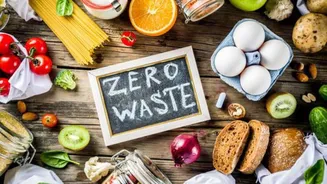
Bottura frames his work within the broader context of a pressing global crisis. Statistics from 2022 reveal a stark paradox: while up to 783 million individuals faced hunger, an estimated 1 billion tonnes of food were discarded worldwide. This profound disconnect serves as the ethical driving force behind Food for Soul. The very world that generates such colossal food waste is simultaneously leaving millions without adequate sustenance. Bottura's powerful response is not to deliver distant lectures on the evils of waste but to demonstrably showcase the extraordinary potential that emerges when surplus is viewed not as a failure, but as a valuable resource awaiting transformation. This practical approach tackles the issue head-on by converting a problem into a solution.
Enduring Power of Practicality
The lasting resonance of Bottura's initiative stems from its grounded practicality, transcending mere aesthetic appeal. It artfully elevates the most commonplace ingredients – stale bread, overlooked vegetables, surplus produce – by imbuing them with inherent value. This culinary re-evaluation is then enveloped within an atmosphere of beauty, community, and profound respect. This unique combination is the secret to the project's enduring success, allowing it to flourish beyond fleeting publicity and celebrity chef attention. It speaks directly to the primal need of hunger, but also addresses the often-intertwined issues of shame, isolation, and waste that frequently accompany food insecurity. The underlying lesson is clear: these kitchens are not built on the naive assumption that good intentions alone can eradicate waste; rather, they operate on the sharp, effective insight that food recovery can be simultaneously creative, scalable, and deeply humane.