





The Liver's Night Shift
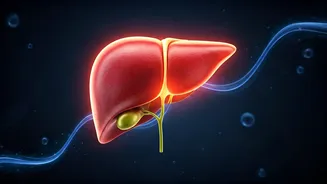
The liver, a true multitasking marvel, performs hundreds of essential tasks daily, from filtering harmful substances and processing nutrients to bolstering
your immune system and managing your metabolism. While it's active throughout the day, its most significant restorative and detoxification work occurs during sleep. When our sleep cycles are inconsistent or insufficient, this finely tuned biological clock can be thrown off balance, impacting the liver's efficiency in handling metabolic processes and eliminating toxins. This disruption, often stemming from modern lifestyle habits like excessive screen time before bed or erratic work schedules, can subtly but significantly compromise liver health over time. Experts emphasize that sleep is not merely a period of rest for the body; for the liver, it's a critical time for active detoxification and repair, operating according to a precise circadian rhythm that governs everything from glucose metabolism to bile production.
When Sleep Skips a Beat
Beyond the immediate fatigue, a persistent lack of sleep triggers a domino effect of metabolic disturbances that negatively impact liver function. Insufficient sleep is known to elevate cortisol levels, a stress hormone, and contribute to insulin resistance, both of which impose additional metabolic strain on the liver. This chronic disruption also plays a role in the development of broader metabolic disorders. Furthermore, poor sleep alters the hormonal signals that dictate hunger and fullness, often leading to increased cravings for sugary foods and less healthy eating habits. This cycle frequently results in weight gain, which can, in turn, lead to the accumulation of fat within the liver, a condition known as fatty liver disease.
Late Nights, Unhealthy Liver
Engaging in late-night meals or snacking can significantly interfere with your liver's essential nightly schedule. Instead of focusing on its crucial detoxification and repair duties, the liver is forced to pivot back to digestive tasks. This means it's processing nutrients when it should be dedicating its energy to other vital functions, such as supporting the immune system and synthesizing proteins. Over an extended period, these recurring disruptions can contribute to the onset of various chronic health issues, including diabetes, cardiovascular diseases, and even stroke. The impact isn't solely about the duration of sleep but also about what activities precede it, with late-night eating posing a particular challenge to the liver's natural restorative processes.
Sleep: The Ultimate Detox
Despite the widespread availability and marketing of detox juices, supplements, and various cleanses aimed at improving liver health, medical professionals are clear: none of these can truly replace the restorative power of sleep. The intricate hormonal and cellular environment fostered during deep, uninterrupted sleep provides a superior platform for liver repair and detoxification compared to any artificial aid. The notion that one can 'catch up' on lost sleep during weekends is also a misconception. While additional rest might offer temporary relief, the underlying disruption to the body's circadian rhythms, which govern crucial liver functions, persists. Maintaining a consistent sleep schedule is paramount for aligning with the liver's natural biological clock and optimizing its detox capabilities.
Simple Steps for Liver Care
Fortunately, safeguarding your liver's natural detoxification cycle doesn't require drastic measures. Implementing a few straightforward lifestyle adjustments can yield substantial benefits. Prioritizing 7 to 9 hours of quality sleep each night is fundamental. Crucially, strive to maintain a consistent sleep schedule, going to bed and waking up around the same time daily, even on weekends. Avoiding late-night meals, as well as abstaining from alcohol and sugary beverages close to bedtime, is equally important. These practices ensure that your liver can dedicate its nighttime hours to essential repair and cleansing processes, rather than being burdened with digestion, thereby supporting its overall health and function.