



Why Tans Happen
Tanning is your skin's natural defense against harmful UV radiation. When exposed to the sun, your body produces melanin, a pigment that absorbs UV rays
to protect your DNA from damage. While this process is protective, it results in a darker complexion. Typically, this tan fades naturally over three to four weeks as skin cells shed. However, for those seeking quicker results, accelerating this natural exfoliation process is possible. This can be achieved through safe, natural methods that leverage readily available ingredients rather than expensive salon treatments.
Kitchen Dermatology Secrets
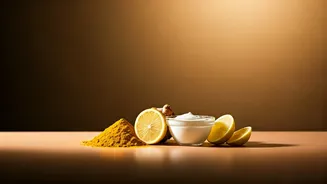
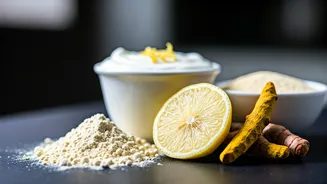
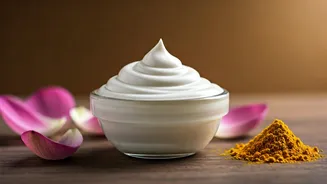
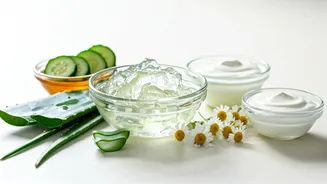
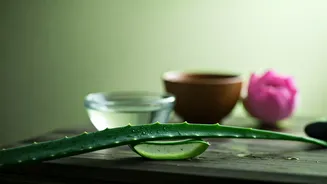
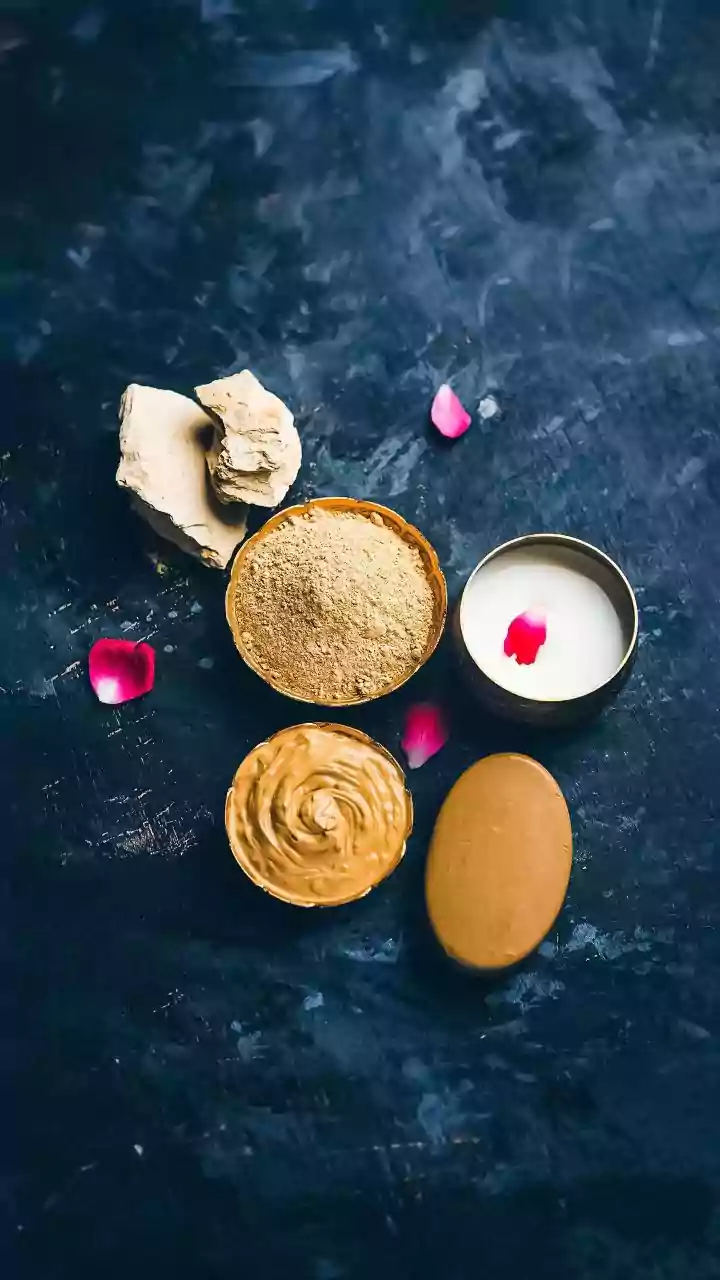
Forget harsh chemicals and overhyped treatments; your grandmother's kitchen holds the key to effective tan removal. Traditional Indian ingredients offer a scientifically sound approach to skin brightening. Yogurt, rich in lactic acid, acts as a gentle Alpha Hydroxy Acid (AHA), dissolving dead skin cells without causing micro-tears. Gram flour (besan) is excellent for oily skin, providing mild physical exfoliation and absorbing excess sebum. Turmeric, with its active compound curcumin, is a potent antioxidant that helps regulate melanin production, targeting pigmentation. For sensitive skin, ripe papaya contains the enzyme papain for enzymatic exfoliation, while aloe vera soothes and inhibits melanin synthesis. Tomatoes offer lycopene and mild acids, acting as an astringent to revive dull skin.
Custom Tan-Fighting Blends
To achieve optimal tan removal, combining these potent ingredients is crucial. For normal to oily skin types, a classic heritage blend works wonders: mix two tablespoons of gram flour with one tablespoon of yogurt and a small pinch of turmeric. The yogurt provides chemical exfoliation, the gram flour aids physical removal, and turmeric offers antioxidant brightening. If you have dry or sensitive skin, opt for a soothing alternative. Mash a portion of ripe papaya with a spoonful of fresh aloe vera gel. This enzyme-rich, hydrating treatment gently exfoliates and calms inflammation without any abrasive action, making it ideal for delicate complexions.
The Lemon Warning
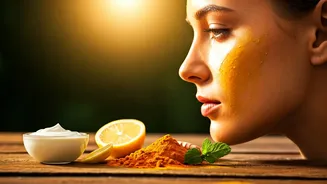
A common and dangerous misconception is to apply lemon juice to tanned skin. This practice should be avoided at all costs. Lemon juice is highly acidic, with a pH of around 2, which severely damages your skin's protective acid mantle. Furthermore, exposing your skin to sunlight after applying citrus residue can lead to phytophotodermatitis, a painful inflammatory reaction that resembles a chemical burn. Always discard lemon-based remedies for tan removal and opt for safer, more effective kitchen ingredients.
Protect Your Glow
Accelerating your skin's natural shedding process, whether through kitchen remedies or other methods, reveals fresh, new skin that is highly susceptible to sun damage. It is imperative to protect this vulnerable layer. Always apply a broad-spectrum SPF 50 sunscreen before stepping outdoors. Without adequate protection, you risk re-tanning or experiencing sunburn almost immediately. By safeguarding your newly brightened skin, you allow the natural healing and brightening processes to continue effectively.