
Defining Mental Wellness
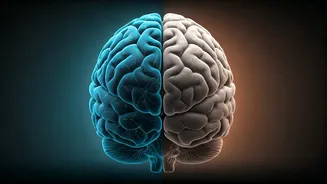
Mental wellness encompasses the state of emotional, psychological, and social well-being. It goes beyond the absence of mental illness, signifying a state where
individuals realize their abilities, can cope with the normal stresses of life, can work productively, and are able to contribute to their community. Recognizing and understanding these different areas is vital for achieving a balanced lifestyle. Good mental health allows people to function effectively and maintain healthy relationships. It is also important to remember that mental well-being is a dynamic process, influenced by a variety of factors. This includes genetics, life experiences, social support, and personal habits.
Building Self-Care Habits
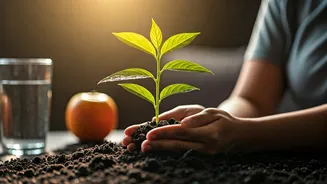
Self-care is any activity that we do deliberately in order to take care of our mental, emotional, and physical health. It is not selfish; it's essential for overall well-being. Implementing self-care requires conscious effort and consistency. A helpful starting point involves incorporating activities that promote relaxation, such as mindfulness, meditation, or spending time in nature. Additionally, establishing a regular sleep schedule, maintaining a balanced diet, and engaging in physical activity can significantly improve mental health. It's also important to make time for hobbies and things you enjoy. This could involve reading, listening to music, or pursuing creative activities. The aim is to create a routine that nurtures your mind, body, and soul. It's about finding what works best for you and integrating those practices into your daily life.
Managing Stress Effectively
Stress is an inevitable part of life, but learning to manage it effectively is key to maintaining mental wellness. Techniques such as deep breathing exercises and progressive muscle relaxation can help calm the nervous system. Identifying stressors is the first step toward managing them. This involves recognizing the situations or factors that trigger stress. Once you have identified the sources, you can work on strategies to reduce them. This might include setting realistic goals, managing your time efficiently, and learning to say no to extra commitments. Furthermore, it is very important to develop healthy coping mechanisms. This could involve seeking support from friends and family, engaging in activities you enjoy, or practicing mindfulness. Consider also professional help, such as therapy or counseling, as a way of managing stress.
Seeking Support When Needed
Knowing when and how to seek help is a vital aspect of maintaining mental well-being. There is no shame in acknowledging when you're struggling and reaching out for support. This might involve talking to trusted friends or family members who can offer emotional support and understanding. Sometimes, it's beneficial to seek professional assistance from therapists, counselors, or psychiatrists. These professionals have the expertise to help you navigate mental health challenges and develop strategies for coping. Remember that it's okay to ask for help, and doing so is a sign of strength, not weakness. Furthermore, support groups can provide a sense of community and shared experience, allowing you to connect with others who understand what you are going through. These different methods of support can assist in managing mental health.
Fostering Resilience Daily
Resilience is the ability to bounce back from adversity and maintain mental well-being in the face of challenges. Building resilience is an ongoing process that involves developing coping skills and cultivating a positive mindset. Practicing mindfulness and gratitude can enhance your ability to appreciate the good things in life, even during difficult times. Cultivating strong social connections and seeking support from others can offer emotional reinforcement. Focusing on your strengths and celebrating your successes can also foster resilience. Consider making regular self-care practices a part of your daily life. This can help build your capacity to cope with stress and overcome setbacks. Remember that resilience is not about avoiding challenges; it's about learning from them and growing stronger.