






The Rise of Comfort Beverages
Across digital platforms, a notable trend has emerged where young individuals openly discuss their affinity for specific drinks, labelling them as 'emotional
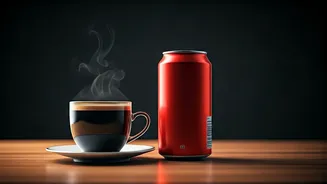
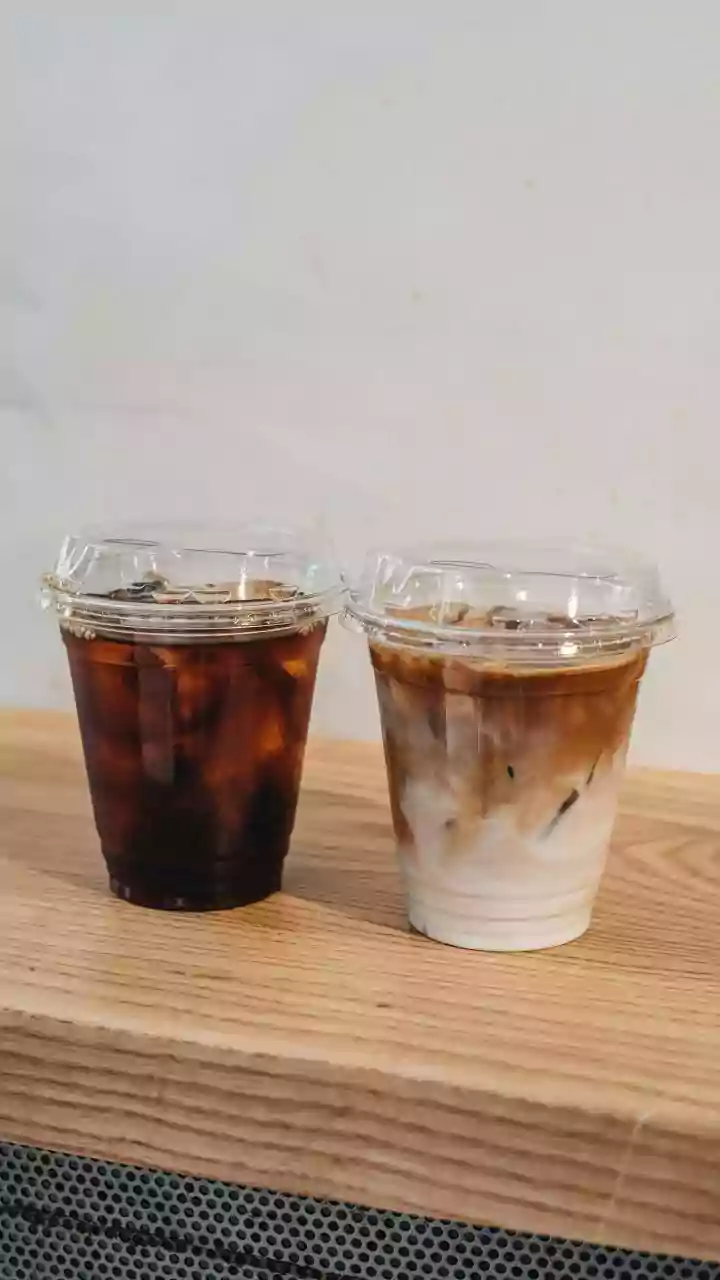
support.' These are not merely about hydration or a caffeine boost; they represent a deeper psychological connection. For Gen Z, these chosen beverages—ranging from elaborately prepared iced coffees to the ubiquitous Diet Coke—have evolved into significant elements of their personal identity and a vital strategy for navigating the complexities of modern existence. This inclination underscores a generation that is more vocal about mental health challenges and actively seeks out tangible methods for managing stress and anxiety. The entire process, from the act of ordering or preparing the drink to the mindful consumption itself, can function as a grounding ritual, offering a precious moment of tranquility amidst the fast-paced and often overwhelming realities of daily life. This phenomenon is a telling indicator of broader societal shifts, including heightened awareness surrounding mental well-being and the profound impact of the digital age on interpersonal connections.
Psychological Anchors of Comfort
From a psychological standpoint, the concept of an 'emotional support drink' signifies something more profound than the beverage itself; it’s about the emotional representation and comfort it provides. Clinical psychologist Dr. Rimpa Sarkar elaborates that humans are inherently driven to seek out comfort, predictability, and established routines when feeling stressed or overwhelmed. In this context, an 'emotional support drink' acts as a symbolic tool for coping. It's something familiar, readily available, and offers immediate soothing sensations. Whether it's a steaming cup of coffee, a vibrant matcha, a chewy boba tea, or even a fizzy soft drink, each can cultivate a sense of control during periods of emotional turbulence. This provides a tangible anchor in moments where feelings might otherwise seem unpredictable. This trend also highlights a shift away from traditional coping mechanisms; for instance, while millennials might have normalized social drinking, Gen Z is increasingly embracing a sober-curious lifestyle. A 2024 UK study indicated that individuals aged 20-24 are significantly less likely to prioritize spending on alcohol compared to prior generations, leading some to dub Gen Z 'the soberest generation.' In 2023, statistics revealed that only 18-20% of Americans under 28 regularly consumed alcohol, underscoring a preference for non-alcoholic, comforting alternatives.
Ritual, Identity, and Social Reinforcement
The embrace of 'emotional support' drinks by Gen Z is rooted in several contributing factors. Dr. Sarkar identifies 'micro-coping' as a key element: in environments characterized by persistent low-level stress, individuals turn to small, repeatable habits for emotional resets, with a beverage serving this purpose effectively. Furthermore, the inherent predictability of a beloved drink ritual offers a sense of structure, which can calm the nervous system and alleviate anxiety by signaling familiarity. The sensory experience—holding a warm mug, savoring a specific flavor, or simply slowing down to sip—provides a grounding effect, anchoring individuals in the present moment. Beyond individual coping, these drinks become intertwined with identity; professing 'this is my emotional support coffee' acknowledges stress while normalizing self-soothing behaviors. Social media plays a significant role in amplifying this trend, transforming everyday coping strategies into relatable, shareable content, thus fostering a shared language around stress and comfort. While these habits offer temporary relief and do not address underlying emotional concerns, they represent a genuine human need for accessible, manageable ways to regulate emotions in contemporary life, often manifesting with aesthetic appeal, as seen in the fondness for visually pleasing cups and elaborate presentations.