






Understanding Skin Pores
Pores are fundamental to skin health, acting as minuscule openings that release essential elements like sebum (your skin's natural oil) and sweat. This
vital process helps maintain hydration, regulate body temperature, and contribute to clear vision. However, when these pores become noticeably prominent or obstructed, they necessitate a specialized approach to skincare. The primary challenge lies in accurately identifying which type of pore issue you are experiencing, as this dictates the most effective treatment. Recognizing these distinctions is the crucial first step towards achieving optimal skin condition and addressing common concerns like greasiness or breakouts.
Identifying Open Pores
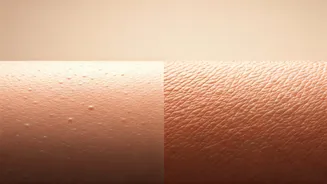
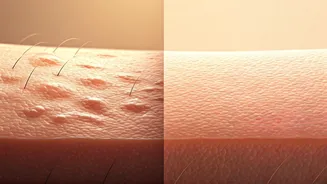
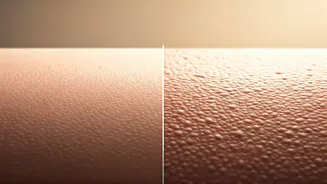
Open pores are characterized by their enlarged and easily discernible appearance, looking like tiny openings or small indentations on the skin's surface. They are predominantly found on areas like the cheeks, forehead, and nose, and often contribute to a persistently shiny or oily complexion due to excess sebum production. A common culprit behind the development of open pores is the presence of blackheads, where trapped oil and dead skin cells become oxidized, making them visible. Other contributing factors include the accumulation of skincare product residue, damage from sun exposure, genetic predisposition, excessive oil secretion, and the natural aging process which can diminish skin elasticity.
Recognizing Closed Pores
In contrast, closed pores are typically obstructed and concealed beneath a fine layer of skin, preventing the natural flow of oil to the surface. Instead of visible openings, you might notice small bumps beneath the skin, often manifesting as whiteheads or closed comedones. This blockage results in a rough and uneven skin texture, altering the overall feel of your complexion. The underlying causes include an excess of trapped oil, a buildup of dead skin cells, fluctuations in hormone levels, or the extensive use of heavy skincare formulations that can contribute to pore congestion. Addressing closed pores requires a strategy focused on clearing these blockages.
Managing Open Pores
To effectively manage open pores, begin with a gentle cleansing routine performed twice daily to rid the skin of excess oil. Incorporate skincare ingredients like salicylic acid or niacinamide, which are known for their ability to regulate sebum production. Applying clay masks, such as Multani Mitti, a couple of times each week can help absorb impurities and oil. Crucially, daily application of sunscreen is non-negotiable, as UV radiation can compromise the skin's elasticity, leading to further pore enlargement. A consistent approach that combines cleansing, targeted ingredients, and sun protection is key to minimizing the appearance of open pores.
Tackling Closed Pores
For individuals dealing with closed pores, daily exfoliation with chemical exfoliants containing AHAs (Alpha Hydroxy Acids) and BHAs (Beta Hydroxy Acids) is highly recommended to promote skin cell turnover and dislodge blockages. It's advisable to steer clear of heavy creams that can exacerbate pore congestion. Introducing retinoids into your routine can also significantly aid in enhancing skin cell renewal. Maintaining a diligent cleansing regimen prevents product buildup, which is a common cause of closed pores. Additionally, natural remedies like applying curd can act as a gentle exfoliant, sloughing off dead skin cells and offering a soothing effect.