
The Sun's Important Journey
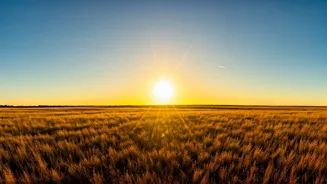
Makar Sankranti signifies the sun's shift into the Capricorn zodiac sign, marking the end of winter and the start of longer days, a phenomenon deeply celebrated
across India. This celestial event is not just a seasonal change; it's a symbolic transition, representing the sun's northward journey, which signifies positivity, growth, and prosperity. The festival acknowledges the sun's influence, essential for life on Earth. This annual event is observed with great enthusiasm by people of India. Makar Sankranti represents hope, encouraging people to embrace the light and warmth that the sun brings and to look forward to new beginnings, prosperity, and spiritual growth, embodying the spirit of renewal that defines the occasion.
Worship of the Sun
On Makar Sankranti, the primary deity worshipped is the Sun God, or Surya. This veneration reflects the importance of the sun, which is seen as a source of life and energy. People offer prayers and perform rituals to honor Surya. The worship is rooted in the belief that the sun is a giver of life, health, and prosperity, blessing all of humanity with its vital force. Through the worship of the Sun God, people seek blessings for a bountiful harvest, health, and well-being. This act of devotion is more than just religious practice, it is a way of recognizing and appreciating the life-giving properties of the sun, which are fundamental to the existence and vitality of all living things. These rituals and prayers are ways of expressing gratitude for the sun's gifts.
Festive Traditions Unveiled
Makar Sankranti celebrations are filled with cultural practices. Kite flying is a popular activity, symbolizing the upward journey of the sun. The significance extends beyond recreational activities. The food traditions are also interesting, with sesame seeds and jaggery playing a crucial role, these ingredients symbolize warmth and sweetness and are believed to bring health benefits. The act of sharing these sweets with others signifies the desire for harmonious relationships and the spreading of joy. The festival's vibrancy is reflected in various regional customs, each adding a unique dimension to the celebrations. These varied traditions highlight the richness and diversity of India, uniting people in the spirit of Makar Sankranti.
Rooted in Science, Too
Makar Sankranti has a strong connection to science and astronomy, going beyond its religious significance. The day marks the winter solstice, a turning point in the sun's annual journey. The traditions and rituals, like offering prayers to Surya, align with the scientific understanding of the earth's movements and the sun's impact on our lives. The focus on the sun's movement mirrors the scientific understanding of the celestial bodies. This interplay of traditions and science highlights the holistic nature of the festival. It reflects the interconnectedness of nature, spirituality, and scientific understanding. This blend of ancient traditions and scientific principles gives Makar Sankranti a special significance.
New Beginnings and Blessings
Makar Sankranti is regarded as a time for new beginnings. It marks a period of fresh starts and the laying down of old habits. The sun's transition into Capricorn is a symbol of transformation. People often use this time to set new goals and make commitments to better their lives. It's also a time for seeking blessings, hoping for prosperity and a bright future. The practices like distributing sweets and helping others embody this spirit of goodness and shared joy. Makar Sankranti offers a chance to look ahead with optimism, embracing the potential for personal growth and spiritual upliftment. This signifies the cyclical nature of life. It invites people to embrace the promise of renewal and the chance to start afresh with hope.