







Understanding Low Haemoglobin
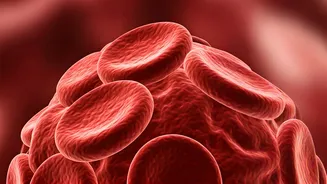
Low haemoglobin, often referred to as anemia, is a condition where the blood doesn't have enough healthy red blood cells to carry adequate oxygen throughout
the body. These red blood cells are packed with haemoglobin, a protein that's vital for oxygen transport. When haemoglobin levels drop, it can lead to fatigue, weakness, and other concerning symptoms. The causes of low haemoglobin are diverse, spanning from nutritional deficiencies, particularly iron, to chronic diseases and internal bleeding. Iron deficiency is one of the most common causes, but other factors like vitamin B12 and folate deficiencies can also play a role. Understanding the root cause is crucial for effective treatment, which can range from dietary changes and supplements to more intensive medical interventions. Monitoring haemoglobin levels is therefore critical to ensure good health.
Hidden Risks Explained
The risks associated with low haemoglobin extend beyond mere tiredness. Chronic low oxygen levels, a consequence of low haemoglobin, can stress the heart, leading to cardiovascular complications. In severe cases, this can result in heart failure. Furthermore, low haemoglobin can significantly affect cognitive function, leading to difficulty concentrating and memory problems. The body's immune system can also be compromised, making individuals more susceptible to infections. Pregnancy also presents additional risks; insufficient haemoglobin in pregnant women can have adverse effects on both the mother and the developing fetus, including premature birth and low birth weight. Moreover, undiagnosed and untreated low haemoglobin can worsen any pre-existing health issues, which underscores the necessity of timely diagnosis and treatment. Seeking medical advice is therefore very important.
Why Early Diagnosis Matters
Early diagnosis is crucial because it allows for prompt intervention, which can prevent the progression of complications. Catching low haemoglobin early enables healthcare professionals to identify the underlying cause and implement appropriate treatment strategies. For example, if the cause is iron deficiency, supplementation and dietary adjustments can be initiated early. Timely intervention can reverse the symptoms, improve quality of life, and reduce the risk of more severe health problems. Early detection is particularly important for women. It is important to note that women are more susceptible to low haemoglobin due to menstruation, pregnancy, and childbirth. Regular check-ups and monitoring haemoglobin levels can help identify and manage the condition before it affects their overall health. Therefore, timely diagnosis is a fundamental step toward protecting one's health.
Tests to Consider
Several tests are used to check haemoglobin levels and diagnose low haemoglobin. A complete blood count (CBC) is a routine blood test that measures the levels of red blood cells, white blood cells, and platelets, as well as the amount of haemoglobin in the blood. This test is a standard part of a check-up. Further testing, such as an iron panel, may be conducted to determine the underlying cause of low haemoglobin. An iron panel measures iron levels, ferritin (iron storage), and transferrin (iron transport protein) to assess iron status. Additional tests may be ordered depending on the individual's symptoms and medical history. These could include tests to check vitamin B12 and folate levels, or other tests to investigate the cause of bleeding. Knowing the results of these tests empowers individuals to take informed steps toward better health. It is always wise to consult a doctor.