






Paternal Health's Crucial Role
For decades, the focus on healthy pregnancies has predominantly centered on the mother. However, a recent comprehensive study published in The Lancet has fundamentally
shifted this perspective, asserting that a father's health status and lifestyle choices wield as much influence over pregnancy outcomes and a child's subsequent health as a mother's. Researchers from the University of Southampton have presented compelling evidence indicating that factors such as a father's weight, his engagement in smoking or excessive alcohol consumption, his mental health status, and even his age can play a pivotal role. Professor Keith Godfrey, a senior author of the study, highlighted that for certain health aspects, the father's contribution can be even more pronounced than the mother's, with some paternal influences potentially stemming from their own childhood experiences. This discovery underscores the urgent need to extend health monitoring and support to prospective fathers, mirroring the attention given to maternal health. The study advocates for proactive investment in the health and well-being of boys and young men to mitigate health disparities and foster healthier outcomes for future generations.
Sperm Quality and Fetal Health
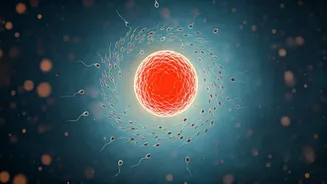
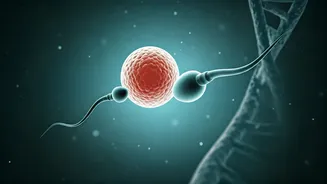
The significance of paternal contribution to a healthy conception and child development is often overlooked, yet it is profoundly important. Sperm health is a cornerstone of a healthy baby. Alarmingly, global sperm counts have seen a substantial decline, dropping by over 50 percent between 1973 and 2018, with an accelerating rate in recent years. This trend is directly linked to the lifestyle choices of young men. Factors like smoking, obesity, high blood pressure, heavy alcohol intake, advanced age, and certain mental health conditions can negatively alter sperm quality. These alterations can subsequently affect not only the chances of successful conception but also the overall health of the developing fetus and the child. Furthermore, a father's health prior to conception has been associated with an increased risk for his partner developing pre-eclampsia, a serious pregnancy complication characterized by high blood pressure and swelling. Men with pre-existing chronic conditions, particularly metabolic disorders like obesity and hypertension, are linked to a higher probability of their partners experiencing such adverse pregnancy events.
Lifestyle Impacts on Offspring
A father's lifestyle choices extend their influence far beyond conception, directly impacting the health trajectory of his child. Engaging in regular exercise before conception has been linked to a lower incidence of birth defects in offspring. Conversely, paternal smoking and carrying excess body weight before conception can elevate the likelihood of congenital abnormalities appearing in the newborn. The detrimental effects of paternal smoking are particularly concerning; exposure in the months leading up to conception has been associated with an increased risk of cancer in the child later in life. This highlights the critical window of opportunity for fathers to adopt healthier habits, as their actions carry direct biological consequences for their future children, shaping their health from the very beginning.
Early Life and Environmental Factors
The foundational health of a man during his reproductive years is deeply influenced by his early life experiences. Factors such as stress, physical and mental health conditions, his living environment, and his educational background during childhood and adolescence can all shape his overall health status as he enters adulthood and considers fatherhood. These cumulative influences can, in turn, affect not only his own health but also that of his partner, potentially impacting her health behaviors, such as adherence to prenatal care during pregnancy. More significantly, these paternal factors can exert direct biological effects on the developing infant within the womb. Research also acknowledges the broader societal influences, such as historical injustices like racism and colonialism, which have disrupted traditional family and community roles for many men, creating barriers to addressing their health needs. Therefore, comprehensive strategies are required to strengthen family and community bonds and prioritize men's health within their cultural contexts.
A Collective Call to Action
Emphasizing the importance of men's health in reproductive outcomes does not diminish the critical role of women; instead, it serves as a unified appeal for a more comprehensive approach to family well-being. By ensuring that men and their partners are adequately supported and informed, they can be better equipped to act as supportive partners, allies, and caregivers throughout the entire journey of pregnancy and beyond. This shared responsibility underscores the need for public health initiatives and educational programs that target men and boys, promoting healthy lifestyles and mental well-being from an early age. Ultimately, fostering a culture that values and supports paternal health is essential for creating healthier families and improving the long-term health prospects of future generations.