







Cool Before Freezing
The most critical error many make is freezing bread while it's still warm. This seemingly harmless act sets the stage for texture degradation. As warm bread cools,
it releases moisture. When this moisture encounters the extreme cold of the freezer, it condenses and forms ice crystals within the bread's crumb. These ice crystals are not inert; they actively disrupt the bread's internal structure, breaking down the gluten network. Research highlights that the movement of moisture during the freezing process is the primary culprit behind the loss of that desirable fresh-baked texture, leading to a crumb that becomes dry and crumbly upon thawing. Therefore, allowing bread to cool completely on the counter before it ever sees the inside of your freezer is an essential, albeit patient, step to preserving its quality.
Master the Wrap
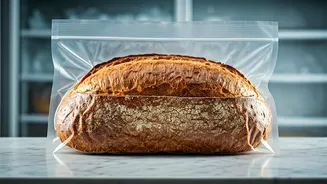
Your choice of wrapping plays a pivotal role in preventing freezer burn, that unpleasant dry, off-tasting surface that renders your bread unappealing. Inadequate packaging allows air and moisture to penetrate the loaf, initiating sensory degradation. Scientific literature emphasizes that effective packaging functions as a robust barrier against both moisture and oxygen. To achieve this, a two-layered approach is highly recommended. Start with a tight layer of plastic wrap directly against the bread, followed by a layer of aluminum foil, or opt for a heavy-duty freezer bag specifically designed for long-term storage. This double protection not only prevents freezer burn but also acts as a shield against your bread absorbing the lingering aromas of other foods in your freezer, ensuring your sourdough doesn't accidentally take on the flavor of last week's curry.
Expel All Air
A step frequently overlooked by home cooks, yet crucial for preserving bread's quality, is the removal of trapped air from your packaging. Even when using high-quality freezer bags, residual air can lead to oxidation over time. This process alters the bread's flavor and color, contributing to a stale taste and a dull crust. Before sealing your bread for freezing, make a concerted effort to expel as much air as possible from the bag. This can be achieved by pressing out the air with your hands or, for maximum efficiency, using a straw to suck out the remaining air before sealing. This simple ten-second action significantly extends the shelf life and maintains the bread's desirable characteristics for weeks.
Portion Wisely
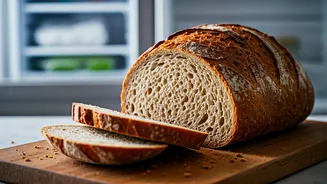
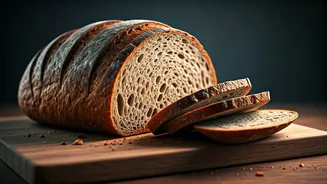
While freezing an entire loaf may seem like a time-saving strategy, it can actually compromise the bread's texture. Large portions tend to freeze unevenly, leading to temperature fluctuations that cause moisture to separate, negatively impacting both taste and texture. Smaller portions freeze more uniformly and quickly. Even simply slicing the loaf before freezing allows for faster and more even temperature distribution, which in turn minimizes ice crystal damage. Beyond preserving quality, this method offers a practical convenience: you can thaw only the amount of bread you need for a single serving, like your morning toast, without disturbing the rest of the loaf.
Avoid Refreezing
Once bread has been thawed, attempting to refreeze it is almost certain to result in a disappointing, rubbery texture. Each time bread undergoes the freeze-thaw cycle, it becomes more susceptible to freezer burn and potential bacterial breakdown. This is precisely why portioning your bread before the initial freeze is so beneficial; it effectively eliminates the need to refreeze anything. By planning your portions from the outset, you ensure that each piece of bread is only subjected to the freezing process once, thereby safeguarding its original quality and preventing its degradation.
Thaw Thoughtfully
The thawing process is as critical as the freezing itself and is where many individuals inadvertently undo their careful preparation. While leaving frozen bread on the counter to thaw might seem intuitive, this method can foster bacterial growth and often leads to a soggy, unevenly warmed product. A superior approach for optimal results is to refrigerate the bread overnight. For those occasions when time is of the essence, utilizing the defrost setting on your microwave offers a quick alternative for a busy weekday morning. Proper thawing ensures that the bread retains its intended texture and flavor profile.
Bread Type Matters
Not all bread varieties respond equally well to freezing. When selecting loaves to freeze, it's beneficial to consider their composition. Breads with a high moisture content or delicate crusts tend to lose their quality more rapidly in the freezer. Conversely, denser breads such as sourdough or whole wheat varieties hold up significantly better throughout the freezing and thawing process. If your intention is to build up a stash of frozen bread for future use, opting for these sturdier loaves will yield superior results and a more satisfying eating experience when you're ready to enjoy them.