





Dosa Dilemma Explained
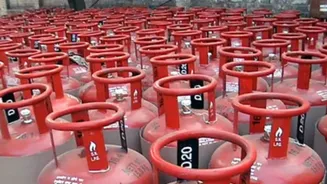
The widespread scarcity of Liquefied Petroleum Gas (LPG) in India, a direct consequence of geopolitical tensions affecting the Strait of Hormuz, has profoundly
impacted the nation's vibrant culinary landscape. At the heart of this issue lies the preparation of certain dishes, most notably the ubiquitous masala dosa. The creation of a perfect dosa, balancing crisp edges with a soft interior, critically depends on maintaining a consistently high temperature on specialized hot plates. These hot plates require their under-mounted gas burners to remain continuously operational throughout the service period to ensure uniformity for each cooked item. When faced with an LPG shortage, restaurants find it economically and practically unfeasible to keep these burners running non-stop, especially in busy establishments where dozens of dosas are prepared daily. This fundamental operational constraint directly affects the availability and quality of dishes like dosa, leading to their temporary removal from menus. The problem isn't confined to a single dish; it highlights a broader challenge for an industry reliant on a stable and affordable gas supply.
Menu Reductions Emerge
The ripple effects of the LPG crisis extend far beyond the iconic dosa, compelling numerous restaurants across India to undertake significant menu compressions. Dishes that demand extended cooking times, such as rich butter chicken or slow-simmered mutton rogan josh, alongside staples like biryani, are becoming casualties of this shortage. Chefs are faced with the difficult decision of either removing these items or finding equally efficient and cost-effective alternatives that can be prepared quickly. Some establishments are resorting to unconventional cooking methods; for instance, a popular restaurant was rumored to have switched to firewood for its butter chicken, a concerning development in cities like Delhi already grappling with air quality issues. Even coal-based tandoors, previously banned due to environmental concerns, are reportedly making a comeback to satisfy the demand for kebabs, demonstrating the lengths to which businesses are going to maintain their offerings. This strategic menu adjustment is crucial for businesses to remain viable and relevant during this challenging period.
Operational Adaptations Surface
The hospitality industry's response to the LPG shortage varies considerably, with different establishments employing diverse strategies to mitigate the impact. Restaurants situated in malls, which often benefit from piped natural gas (PNG) connections, are largely spared from the brunt of this crisis. However, this convenience is not widespread, as a significant majority of eateries, estimated at only 25-30% in cities like Delhi, have access to PNG. In regions where PNG availability is limited, such as parts of South India, restaurants are actively transitioning to induction ranges and electric heating coil stoves to reduce their reliance on LPG. For establishments operating multiple outlets, some equipped with PNG and others with LPG, the challenge is amplified. Mixologists, for example, are navigating situations where their LPG-dependent outlets face exorbitant price hikes for cylinders, with vendors demanding nearly double the official rate. This complex operational landscape necessitates agile decision-making and investment in alternative cooking technologies to ensure business continuity.
Street Vendors' Struggles
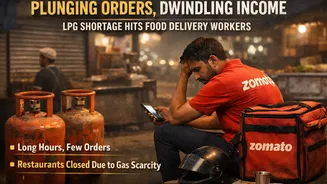
While the focus has largely been on formal restaurant chains, the LPG crisis also poses a significant threat to the livelihoods of countless street food vendors across India. These individuals, who form a vital segment of the food service industry, are now experiencing the initial shockwaves of the gas shortage. Many street vendors rely heavily on LPG for their daily operations and are unable to switch to electric cooking equipment due to existing regulations and eligibility criteria. The National Association of Street Vendors of India (NASVI) has reported receiving urgent calls from vendors facing immediate operational challenges. Given their dispersed nature, the issues faced by street vendors may not immediately garner widespread attention, yet their economic survival is intrinsically linked to a stable and affordable LPG supply. This segment of the industry faces unique hurdles in adapting, highlighting a critical gap in the current support mechanisms and discussions around the crisis.
Looking Ahead
The ongoing LPG crisis has prompted proactive measures from various industry stakeholders. Hotel chains are developing comprehensive plans to optimize gas consumption, which include encouraging the use of pressure cookers, preparing food in smaller batches, and reducing the availability of hot items on buffet spreads, alongside rationalizing staff meals. However, these are widely considered short-term fixes. The prevailing sentiment within the industry is a strong hope for a swift resolution to the external conflict that is causing the gas shortage. Restaurateurs express a palpable concern that without a timely end to the crisis, many businesses might be forced to cease operations. The fundamental challenge lies in the design of kitchen infrastructure; most commercial kitchens are purpose-built for LPG, and transitioning to electricity-powered equipment represents a substantial upfront cost, which is only justifiable if the current gas supply issues are temporary. The industry is collectively looking towards diplomatic solutions to alleviate this pressing economic strain.