





The Samosa's Journey
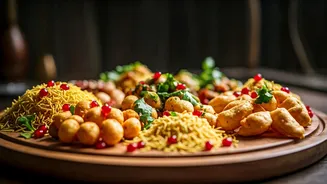
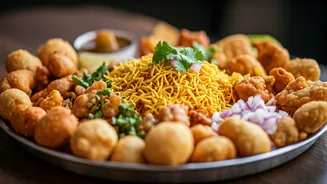
The universally adored samosa, a fried or baked pastry with a savory filling, is a testament to India's rich history of culinary exchange. While it's now
a quintessential Indian snack, its lineage can be traced back to the Middle East and Central Asia. Here, a similar pastry known as 'sambusak' was enjoyed centuries ago. It's believed that traveling merchants and explorers introduced this precursor to India, where it was gradually adapted. Over time, local ingredients and spices were incorporated, leading to the diverse regional variations of the samosa we recognize, most famously the spiced potato-filled version, making it a beloved street food and appetizer across the subcontinent.
Chicken Tikka Masala: A British Tale
One of the most globally recognized 'Indian' dishes, Chicken Tikka Masala, boasts a fascinating origin story that points away from India itself. Despite its distinctly Indian flavor profile, comprising marinated chicken in a spiced, creamy tomato sauce, culinary historians widely attribute its creation to the United Kingdom. It is thought to have been developed by South Asian chefs catering to British palates, who desired a dish with familiar Indian spices but a milder, more accessible taste. This fusion creation has since become a staple in British Indian restaurants, demonstrating the power of culinary adaptation and cross-cultural influence.
Chilli Chicken's Indo-Chinese Blend
Chilli Chicken stands as a shining example of Indo-Chinese cuisine, a vibrant culinary fusion that has captivated taste buds in India and beyond. However, its genesis is not rooted in traditional Indian cooking but rather in the innovative spirit of the Chinese community residing in India, particularly in Kolkata. This dynamic dish emerged from the skillful integration of classic Chinese cooking techniques with the bold and aromatic spices characteristic of Indian cuisine. The result is a delightful interplay of textures and flavors, where crispy fried chicken is coated in a glossy, spicy, and tangy sauce, showcasing a unique and popular adaptation.
Naan: A Persian Legacy
The soft, chewy, and often blistered flatbread known as naan is a beloved accompaniment to countless Indian meals, yet its origins lie far to the west, in Persia (modern-day Iran). Naan was introduced to the Indian subcontinent during the era of the Mughal Empire, a period marked by significant cultural and architectural exchange between Persia and India. This leavened bread, traditionally baked in a tandoor (clay oven), quickly gained popularity, especially in the northern regions of India. Its versatility and rich texture made it an indispensable part of North Indian cuisine, seamlessly integrating into the local food landscape.
Rajma: A New World Bean
Rajma, the dish featuring kidney beans simmered in a rich, spiced gravy, is a staple in many North Indian households, particularly in Punjabi cuisine. However, the kidney bean itself is not indigenous to India. These protein-rich legumes originally hail from Central and South America, forming a cornerstone of diets in those regions for millennia. They were introduced to the Indian subcontinent by European traders and explorers who brought them back from their voyages. Over time, Indian cooks embraced rajma, incorporating it into their culinary repertoire and developing the flavorful, hearty preparations that have made it a cherished part of Indian comfort food.
Biryani's Global Ancestry
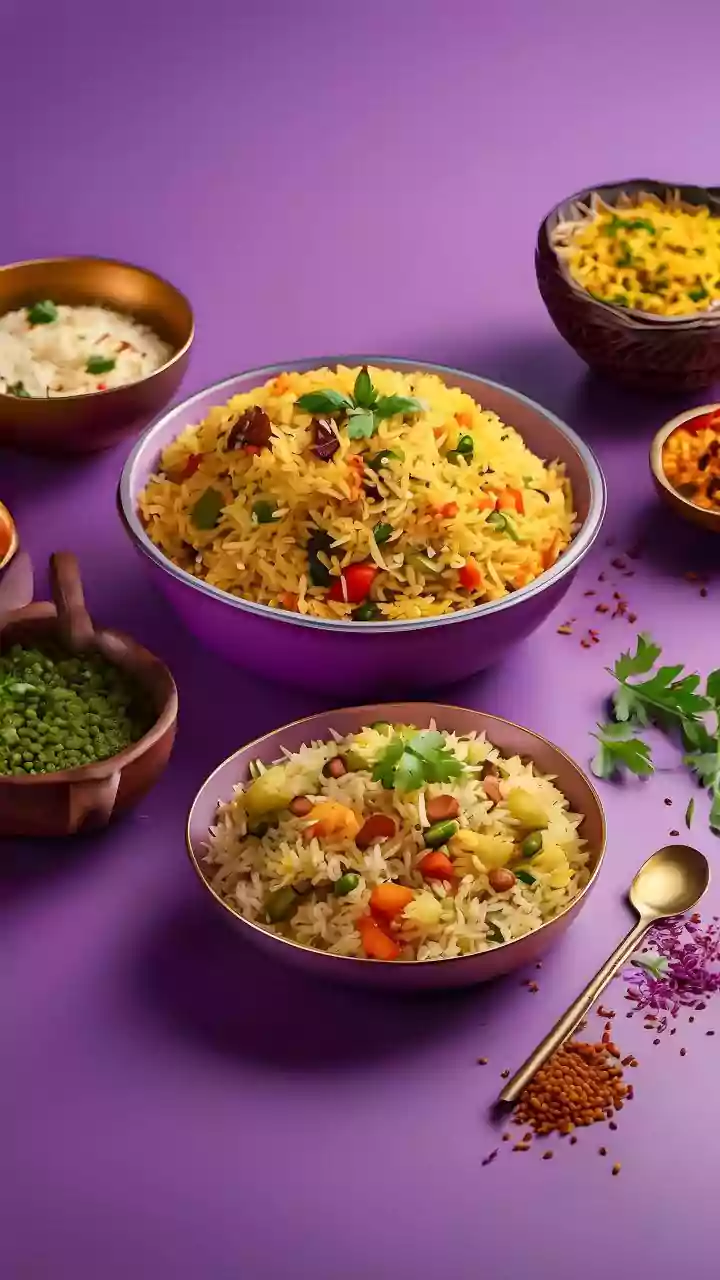
While often considered the crown jewel of Indian cuisine, Biryani, the aromatic rice dish layered with meat or vegetables and a symphony of spices, has complex origins that extend beyond India's borders. Its roots are widely believed to be Persian, with influences from various culinary traditions along the Silk Road. The dish likely evolved over centuries, with different regions of India adding their unique local flavors and ingredients, leading to the vast array of Biryani styles found today, from Hyderabadi to Lucknowi. This celebrated dish is a testament to the historical flow of ideas and ingredients, showcasing how a foreign concept can be so thoroughly adopted and perfected.