






Tyres and Brakes Check
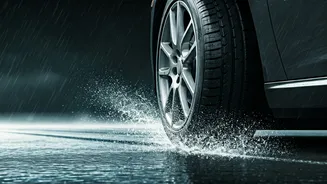
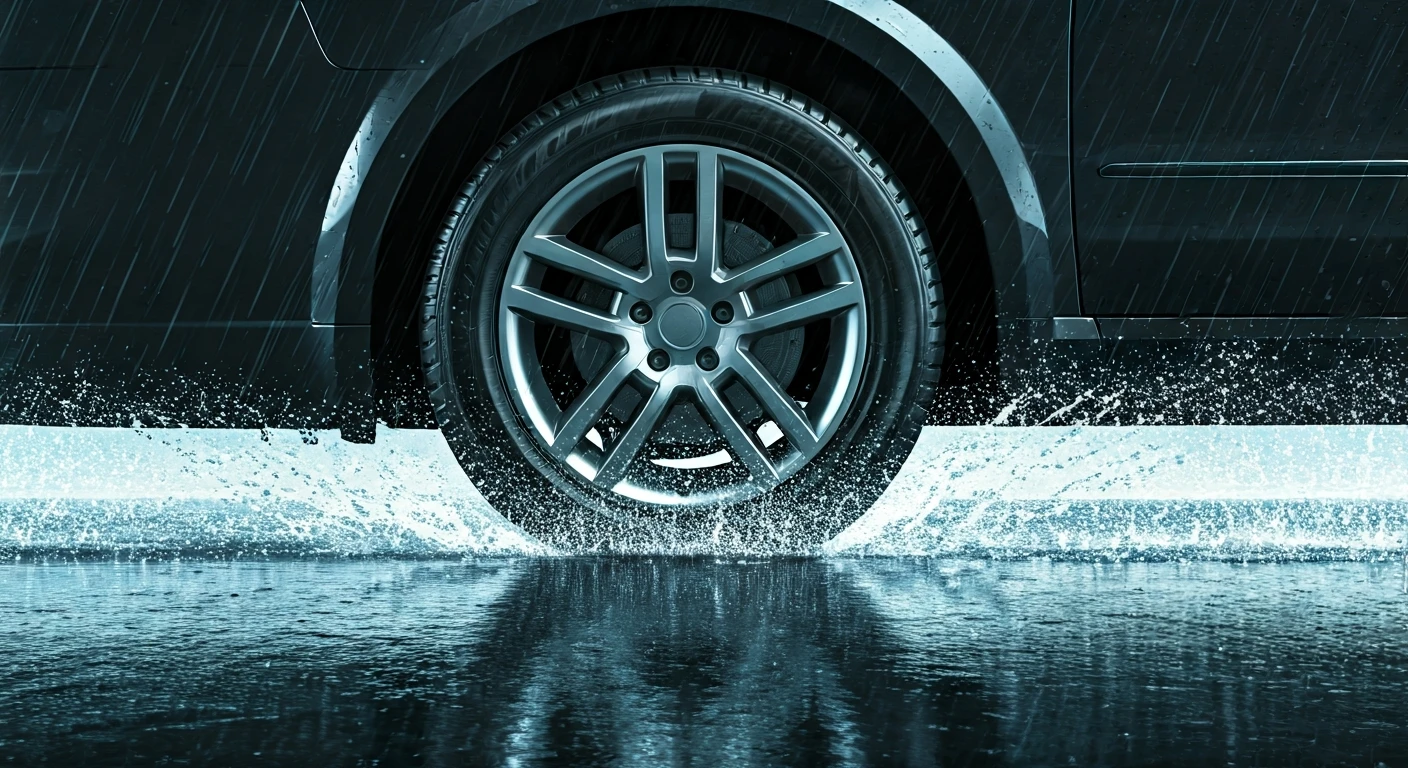
Before embarking on any road trip during the monsoon, a thorough inspection of your vehicle's tyres and brakes is paramount. Ensuring your tyres have adequate
tread depth is crucial for maintaining grip on slick, wet surfaces, thereby preventing dangerous skidding. Equally important is the functionality of your brakes; they must be in optimal condition to allow for timely and safe stops, especially when encountering unexpected traffic slowdowns or navigating challenging, slippery road conditions. This proactive check significantly reduces the risk of losing control of your vehicle.
Headlight Usage Guidance
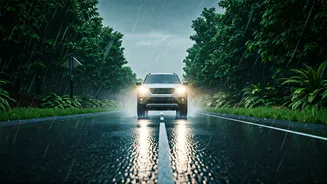
Visibility is severely compromised during rainy weather, even during daylight hours. To enhance your car's detectability and improve overall road safety, it's essential to keep your headlights illuminated at all times while driving in the rain. This simple act allows other motorists to easily spot your vehicle, reducing the likelihood of collisions and creating a safer environment for everyone on the road. Remember, being seen is just as important as seeing.
Adhere to Slow Speeds
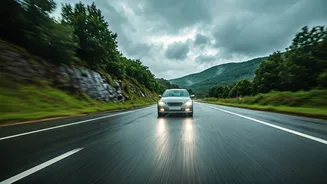
Wet roads are inherently more treacherous, dramatically increasing the potential for accidents due to reduced traction. To navigate these conditions safely, it is imperative to reduce your driving speed and maintain a consistent, steady pace. Abrupt acceleration or sudden hard braking can easily lead to your car losing traction and control. Driving deliberately and smoothly is key to staying safe on slippery surfaces during downpours.
Safe Distance Maintenance
When driving in the rain, it's vital to increase the customary following distance between your vehicle and the car ahead. The braking distance of any vehicle is significantly extended on wet roads, meaning it takes longer to come to a complete stop. By maintaining a larger buffer zone, you gain precious extra time to react and brake safely if the vehicle in front unexpectedly slows down or stops, preventing potential rear-end collisions.
Avoid Waterlogged Routes
Navigating through flooded or waterlogged roads during heavy rainfall poses considerable risks to both your vehicle and your safety. Such deep water can cause severe damage to your car's engine and delicate electrical components, leading to costly repairs. Furthermore, submerged roads often conceal dangerous potholes or uneven surfaces, which could easily lead to accidents if driven over without warning. It's best to find an alternative route if possible.
Wipers and Defogger
Before setting off on your rainy day journey, meticulously check the condition of your windshield wipers and defogger system. Well-functioning wipers are indispensable for clearing rain from your windshield, ensuring a clear line of sight. Simultaneously, the defogger plays a crucial role in preventing the windshield from becoming obscured by condensation or fog, which can severely impair your ability to see the road ahead and react to driving conditions.
Emergency Kit Essentials
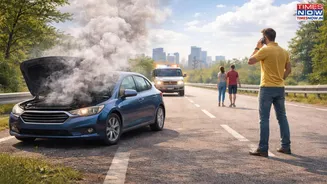
It's wise to be prepared for unforeseen circumstances when travelling by car during the monsoon season. Stock your vehicle with essential emergency items. This should include a reliable flashlight for visibility during breakdowns or darkness, a comprehensive first-aid kit for immediate medical needs, a phone charger to stay connected, basic tools for minor repairs, and sufficient drinking water. These provisions can be invaluable if you encounter any problems on your trip.