





Moisture & Temperature Matters
The key to prolonging the life of your fruits and vegetables lies in understanding how moisture and temperature affect their natural breakdown. Produce
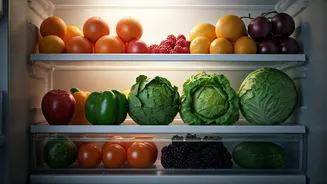
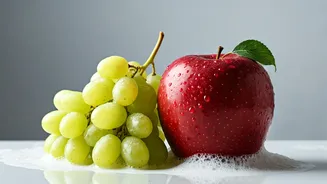
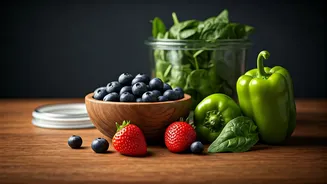
isn't just 'going bad'; it's reacting to its environment. Microscopic organisms, including bacteria, yeasts, and molds, are naturally present on all plants. When these microorganisms encounter the right conditions—excess moisture and unfavorable temperatures—they thrive, accelerating spoilage. By managing these two factors effectively, you can dramatically slow down this process. For instance, washing produce before storing it introduces moisture that these microbes love. Experts advise delaying washing until just before consumption, ensuring items remain as dry as possible. Utilizing paper towels in containers for berries or leafy greens can absorb excess dampness, creating a less hospitable environment for spoilage. Similarly, cutting produce prematurely breaks down cell walls, releasing moisture and speeding up decay, so it's best to keep items whole until ready to prepare them. Keeping food refrigerated helps slow down microbial growth, but proper fridge organization is crucial; overcrowding can impede airflow, leading to inconsistent temperatures and faster spoilage.
Tailored Storage Solutions
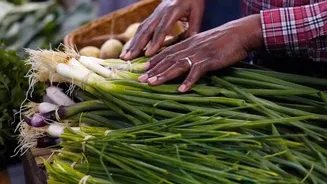
Different types of produce have unique storage requirements that, when met, can significantly boost their longevity. Herbs, for example, often fare best when treated like cut flowers: trim their stems and place them upright in a jar with water, then loosely cover with a plastic bag and refrigerate for hardier varieties. For softer herbs, wrapping them in a slightly damp towel before refrigeration can maintain their freshness. Root vegetables like carrots can retain their crispness when stored submerged in water. Separating the leafy tops from carrots and beets can also extend their edible life. While refrigeration slows spoilage for many items, some, like tomatoes, are best kept at room temperature to preserve their optimal flavor and texture, even though the cold would slow their breakdown. Whole garlic cloves should be kept in a cool, well-ventilated spot, whereas cut or peeled garlic needs refrigeration. Potatoes and onions, while both preferring cool, dark, and ventilated spaces like a pantry, should never be stored together. They emit gases that can accelerate each other's spoilage, so keeping them apart is essential for maximizing their shelf life.
Ethylene Gas Dynamics
Understanding the role of ethylene gas is crucial for preventing premature spoilage in your kitchen. As fruits mature, they naturally release this gas, which acts as a ripening agent for nearby produce. Storing fruits at different stages of ripeness in close proximity can create a cascade effect, causing everything around them to ripen and subsequently spoil much faster. For instance, placing overly ripe bananas next to greener ones or alongside other fruits can significantly shorten the shelf life of all items involved. To combat this, it's beneficial to separate high-ethylene-producing fruits from more sensitive items. While refrigeration can slow the release of ethylene, managing which items are stored together, even at room temperature, is paramount. Awareness of these natural processes allows for strategic placement of produce, ensuring that your apples, bananas, and avocados don't inadvertently hasten the decay of your berries, leafy greens, or other ethylene-sensitive foods, thus maintaining their quality for longer periods.
Beyond Appearance: Food Safety
Much food waste stems from confusion about what is truly safe to consume versus what is merely past its prime visually. Dates on packaging, such as 'purchase-by' dates, are often misinterpreted as strict safety deadlines, when in reality, they frequently indicate peak quality rather than safety. The FDA estimates this misunderstanding contributes to about 20% of consumer food waste. Furthermore, produce that appears slightly imperfect—wilted, softened, or discolored—is often still perfectly safe to eat, particularly when destined for cooking. A limp carrot or slightly soft celery stalk is typically a quality issue, not a food safety concern. Genuine indicators of spoilage include visible mold, a slimy texture, leaking liquids, or a strong, unpleasant odor. These are clear signs that the produce has degraded beyond safe consumption. By distinguishing between minor aesthetic flaws and actual signs of decay, consumers can avoid discarding perfectly good food, reducing waste and making better use of their groceries.
The Impact of Waste
Discarding food represents a significant waste of all the resources invested in its journey from farm to table, including water, energy, and labor. Household food waste constitutes a substantial portion of the overall food waste generated within the supply chain. When food ends up in landfills, it decomposes in an oxygen-deprived environment, producing methane, a potent greenhouse gas that contributes to climate change. Reducing food waste, therefore, has far-reaching environmental benefits. Simple daily habits, such as buying only what you need, consuming items before they spoil, and freezing produce like berries or bananas when they approach the end of their freshness, can collectively make a massive difference. As individuals adopt these small changes, the cumulative effect across millions of households can lead to a substantial depletion of resources and a reduction in harmful emissions, highlighting the power of conscious consumer choices in the fight against food waste and climate change.