



Sudden Closures Impact
Imagine arriving at a popular Cairo restaurant at 8:50 PM, only to find it closing its doors for sit-down customers. This was the reality for many tourists
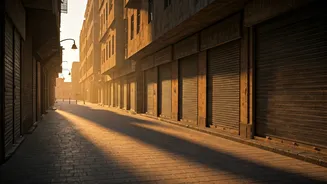
in late March when Egypt's Prime Minister mandated most commercial establishments, including restaurants, cafes, and shops, to shut by 9 PM. This abrupt change, stemming from energy supply disruptions linked to global conflicts and rising fuel costs, caught many visitors by surprise. The directive, initially set for one month until April 28th, imposed a significant shift for a city known for its vibrant, late-night atmosphere. While Thursdays and Fridays offered a slight reprieve with a 10 PM closing, and exceptions existed for public holidays, the overall impact was a noticeable quietening of the usual urban buzz. Tourists found themselves needing to adjust their evening plans, with some having to opt for takeaway options or seek out the few establishments that remained open.
Navigating Exceptions
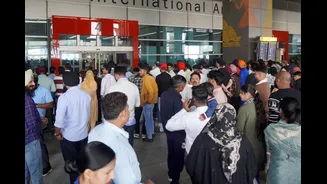
Despite the widespread 9 PM closure, several crucial exceptions ensure that not all of Cairo grinds to a halt. Establishments situated within hotels, along the Nile in Cairo and Giza governorates, and specific tourist-licensed venues at airports, seaports, and train stations are exempt from this rule. For instance, restaurants in areas like Zamalek, depending on their proximity to the Nile, experienced varied impacts. Some found themselves closing early, while others, like certain establishments on Abou El Feda Street that benefited from being directly on the Nile, continued to operate normally. Furthermore, throughout Egypt, essential services such as grocery stores, supermarkets, bakeries, pharmacies, and tourist-oriented businesses at transportation hubs remain unaffected, ensuring basic needs are met. These exemptions are vital for maintaining a semblance of normalcy for both residents and the tourism sector.
Tourism and Economic Effects
The early closing rule, combined with pre-existing travel advisories due to geopolitical tensions, has created a challenging environment for Egypt's tourism industry. Tour operators reported cancellations from North American clients for March and April trips, directly impacting bookings. For tourists who do visit, the 9 PM curfew necessitates a significant adjustment to their evening activities. It forces a choice between dining out or participating in cultural events, as most evening entertainment, like shows at the Cairo Opera House or whirling dervish performances, must conclude by 8 or 8:30 PM to allow for travel and dinner. This limitation could particularly deter visitors from Gulf countries, who are known for their preference for late-night outings and are significant contributors to the tourism economy. Businesses, especially those in popular tourist hubs like Khan El Khalili, have experienced a notable decrease in revenue, with some estimating a 30 to 40 percent drop, attributing it to 'force majeure' and hoping for a swift end to the restrictions.
Regional Exemptions
The 9 PM closing mandate does not apply uniformly across all of Egypt's key tourist destinations. Major resort towns and historical sites in areas like South Sinai, Aswan, Hurghada, and Marsa Alam are completely exempt from these restrictions. This means travelers heading to these popular locations can expect business as usual, with establishments operating under their normal hours. This regional differentiation is crucial for maintaining the appeal of these tourist hotspots, which often rely on consistent visitor flow and evening activities. While Cairo experiences the 'lights out' effect, these other regions remain vibrant and accessible for late-night dining and entertainment, offering alternative travel experiences within Egypt for those seeking to avoid the capital's early curfew.