



Brining Basics Explained
Brining, fundamentally a treatment with salt, can be either wet (a salt and water solution) or dry (salt applied directly). While commonly associated with meats
to enhance juiciness and tenderness by influencing protein structures, its impact on vegetables operates differently. Vegetables, lacking fibrous proteins, interact with salt and water through their cell walls via diffusion and osmosis. Salt moves into the vegetable cells, and water follows the salt concentration gradient, either drawing water out or allowing moisture to be retained and seasoned. This scientific interaction is key to understanding why brining works and which vegetables will benefit most from this culinary technique.
Vegetable Suitability for Brining
The effectiveness of brining for vegetables isn't solely determined by water content, as even high-water vegetables like broccoli and cauliflower over 90% water can respond differently than eggplant, which also boasts high water content. Similarly, the presence of a 'waxy' peel, a natural protective layer on many vegetables, doesn't inherently prevent brining. The key to successful brining often lies in preparing the vegetable's surface – whether by peeling, cutting, or physically breaking down cell structures – to allow for better salt and moisture penetration. Therefore, rather than a simple rule based on water percentage or skin type, brining success depends on how the vegetable's cellular structure and preparation method interact with the salt solution.
Brining Green Beans
Green beans, with their somewhat leathery exterior, can significantly benefit from brining. Trimming the ends is a crucial first step to facilitate salt and water penetration. Tests showed that with a 5% brine, longer brining times (up to 4 hours) resulted in better seasoning without excessive wilting, maintaining a desirable crisp-tender texture when broiled. Shorter durations, like 30 minutes, yielded less seasoned beans, while extremely long brining (12 hours) made them too salty and overly soft. Optimal results were achieved with a 5% to 8% brine for one to four hours, especially for high-heat cooking methods where retaining structure is important.
Brining Potatoes and Sweet Potatoes
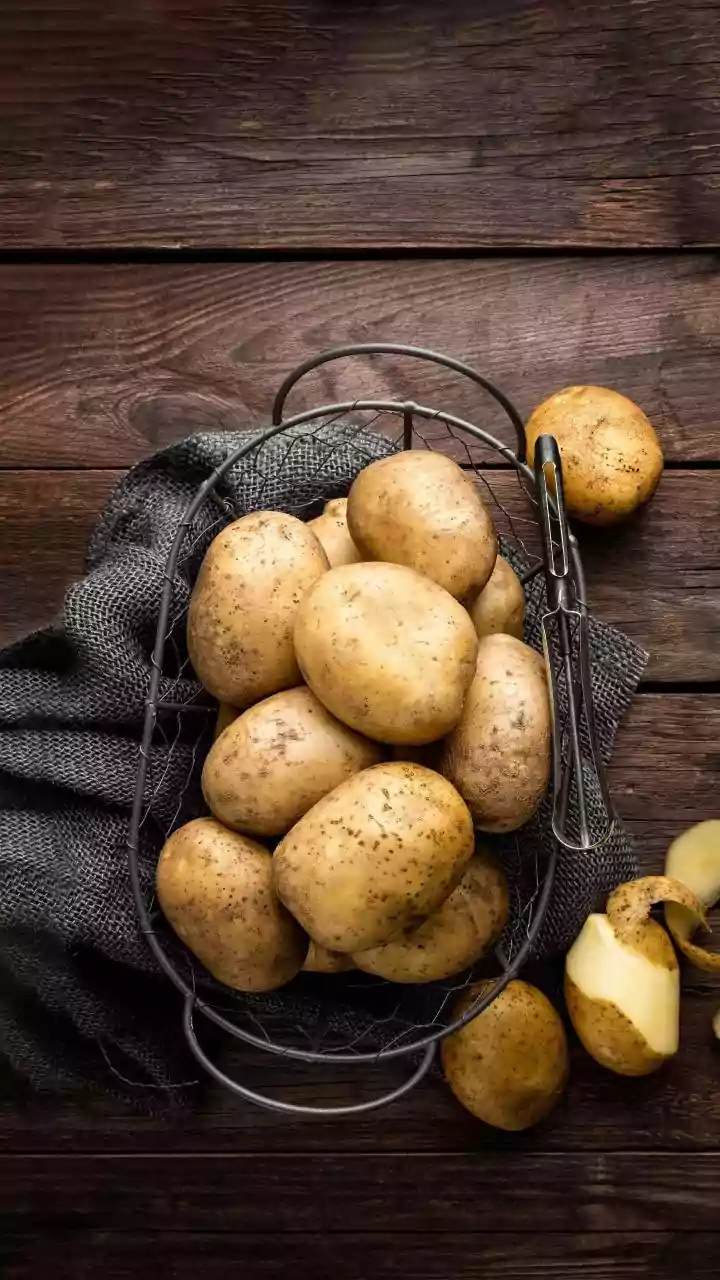
Brining russet potatoes, after being cut into chunks, enhances both their seasoning and texture, leading to a creamier consistency compared to unbrined or water-soaked potatoes. A 5% brine for 30 minutes to 4 hours proved effective, with longer durations making them overly salty. Similarly, peeled and cut sweet potatoes benefited from brining, developing a creamier interior. While water content is lower, brining for up to four hours in a 5% to 8% solution optimises their flavor and creaminess. The salt primarily seasons, while the water's interaction contributes to the textural change, making them ideal for roasting or air frying.
Brining Broccoli and Cauliflower
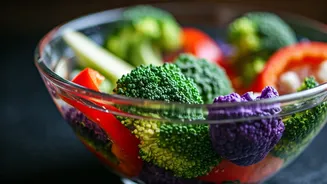
Cruciferous vegetables like broccoli and cauliflower can be brined, though their structure presents unique challenges. Whole crowns may require up to four hours in a 5% to 10% brine for good seasoning penetration, particularly in the stems. Separating them into florets significantly speeds up the process, allowing for noticeable benefits within an hour. While textural changes are minimal, brining enhances their inherent vegetal sweetness and reduces bitterness. Individual florets, offering more exposed surfaces, absorb brine more readily, leading to more evenly seasoned and flavorful results when roasted.
Brining Brussels Sprouts
Brussels sprouts, with their layered structure, tend to absorb brine well, even gaining weight during the process. Halved sprouts brined for at least one to four hours in a brine solution up to 10% yield significantly improved results. Compared to unbrined sprouts, brined versions exhibit enhanced sweetness, reduced bitterness, and a more tender-creamy texture, along with more uniform browning during cooking. Shorter brining times (30 minutes) can lead to uneven cooking and a raw, bitter taste, whereas longer brining transforms them into a more palatable and attractive side dish.
General Brining Recommendations
Across various vegetables, optimal brining generally occurs between one and four hours, using salt concentrations ranging from 5% to 8%. For tougher vegetables like broccoli, cauliflower, and green beans, brining can be particularly transformative, especially when preparing them for high-heat cooking methods. It's important to note that while brining can enhance flavor and texture, it's not a universal solution for all vegetables. Drying brined vegetables thoroughly before high-heat cooking is crucial to prevent steaming and ensure proper browning, highlighting the need for mindful preparation to achieve the best culinary outcomes.