





Embracing Tech for Independence
The integration of smart technology is revolutionizing how seniors live at home. Advanced systems, including wearable health monitors and sensor networks,
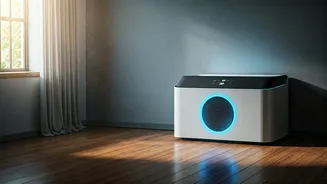
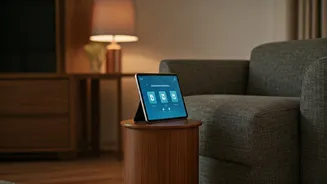
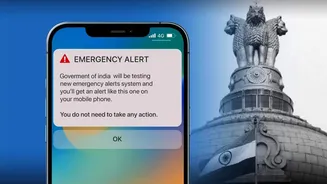
are transforming residences into dynamic environments that actively support older adults. These tech-enabled aging-in-place solutions, which combine personal devices with home sensors and care management platforms, are becoming increasingly vital for India's expanding elderly demographic. They facilitate real-time health monitoring, swift emergency notifications, and remote caregiving, thereby enhancing safety, fostering independence, and ensuring continuity of care. As digital literacy and adoption continue to rise, these technological advancements are set to transition from optional amenities to indispensable features of homes designed for the future. The increasing reliance on these systems underscores a significant evolution in how we can support our aging loved ones in maintaining their autonomy and well-being within familiar surroundings.
Market Realities & Innovation Gap
The senior living and elder care sector in India represents a substantial market opportunity, projected to require investments ranging from Rs 41,000 to Rs 72,000 crore over the next five years. Despite this immense potential, the built environment sector continues to attract less than 2% of overall innovation capital. This disparity highlights a critical deficit not only in funding but also in the fundamental approaches to designing, constructing, and managing residential spaces. While sectors such as consumer technology and financial technology have experienced rapid advancements, the physical spaces where people reside have evolved at a considerably slower pace, notwithstanding their profound impact on daily life quality. This imbalance suggests a need for greater focus and investment in innovative solutions that cater to the unique needs of an aging population, ensuring that our homes can keep pace with demographic shifts.
Beyond the Apartment Walls
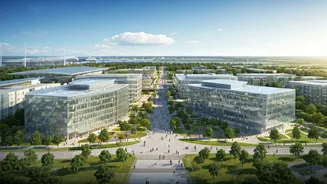
'Parent-proofing' extends well beyond the confines of individual living units to encompass the broader residential ecosystem. The creation of accessible common areas, the establishment of seamless connections to healthcare services, the implementation of robust emergency response systems, and the development of inclusive social infrastructure are all crucial elements for enhancing the daily lives of senior residents. In an era where nuclear families are becoming increasingly prevalent, homes must be equipped to offer compensatory support systems that might be absent due to smaller household sizes. Integrated communities, which provide both physical accessibility and opportunities for social interaction, can play a pivotal role in diminishing reliance on external help and mitigating feelings of isolation. This holistic approach ensures that seniors can thrive within their communities, maintaining connections and dignity.
Proactive Planning Mindset
A significant hurdle in adapting homes for seniors lies in a prevailing behavioral pattern: families often postpone making senior-friendly modifications until after an adverse event, such as a fall or a medical emergency. This reactive strategy not only amplifies the risks involved but also escalates long-term costs. The necessary shift is towards proactive planning. Analogous to how sustainability has become a key consideration in property acquisition, senior-friendly design must transition from being a niche concern to a standard expectation. Planning for aging should be viewed not as a concession, but as a strategic, long-term investment in ensuring safety, comfort, and peace of mind for both seniors and their families. This forward-thinking approach prioritizes well-being and preparedness.
Closing the Innovation Divide
Another significant gap exists in the realm of innovation. While India's younger generation is actively engaged in developing solutions across various sectors like technology and consumer goods, their exposure to the intricate challenges of the built environment remains limited. As noted, less than 2% of innovation capital is directed towards the built environment, despite its substantial scale and societal impact. This situation is not indicative of a lack of talent, but rather an issue of access and exposure, where potential problem-solvers are often disconnected from the tangible, on-the-ground realities of urban living. Bridging this divide requires collaborative platforms that unite developers, startups, policymakers, and end-users. These forums are essential for discovering, piloting, and scaling solutions within real-world settings, accelerating the journey of ideas from conception to practical implementation, particularly in areas like senior living design.
The Path Forward
Ultimately, 'parent-proofing' India's homes is about creating designs that ensure continuity, making homes built today relevant for the future. This involves embedding empathy into the design process, foresight into planning, and adaptability into execution. As India evolves into an aging society, the definition of a future-ready home must expand to be inclusive, adaptable, and resilient across all life stages, moving beyond mere efficiency or aesthetics. The next phase of urban development will hinge not just on the quantity of construction but on the intelligence of solutions addressing genuine human needs. Fostering innovation within the built environment, especially in senior living, is paramount to shaping cities that are both forward-looking and humane. The true measure of progress lies in thoughtful construction, creating spaces where parents can live safely, independently, and with dignity—a crucial responsibility for India's urban future.
Essential Safety Measures
Initiating the process of parent-proofing involves adopting straightforward, practical interventions designed to enhance safety and accessibility. Key modifications include the implementation of anti-skid flooring to prevent slips, ensuring step-free access throughout the home to accommodate mobility challenges, and widening doorways to allow for easier passage, especially for those using mobility aids. The installation of grab rails in bathrooms and on balconies offers crucial support and stability. Furthermore, improving lighting levels in all areas of the home can significantly reduce the risk of accidents, particularly during twilight hours or in dimly lit spaces. These fundamental adjustments are essential for creating a secure and comfortable living environment for elderly residents, ensuring their continued independence and well-being within their own homes. The increasing urbanization and aging population in India necessitate these thoughtful home adaptations.