







Hydration's Role Clarified
The notion that copious amounts of water can act as a panacea for kidney ailments is a widespread misconception, often amplified on social media. While
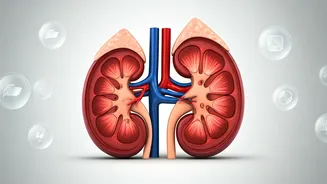
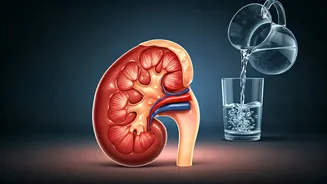
staying adequately hydrated is undeniably vital for the body's overall well-being and assists the kidneys in their primary function of filtering waste products and excess fluids from the bloodstream, it's crucial to understand that this process is about maintenance and prevention, not restoration. The kidneys, functioning like sophisticated filters, process blood to produce urine, expelling metabolic byproducts and surplus liquids. This filtration process is indeed reliant on sufficient fluid intake. However, this reliance has been misinterpreted to mean that more water equates to a cure for existing kidney damage. Leading nephrologists emphasize that while essential for supporting kidney function and helping to stave off issues like dehydration and the formation of kidney stones, water consumption alone cannot reverse the damage already inflicted upon these vital organs or resolve underlying chronic kidney disease.
Understanding Kidney Disease Causes
Kidney disease seldom arises in isolation; it typically emerges as a consequence of pre-existing health conditions that systematically impair kidney function over extended periods. Consulting with specialists reveals that common culprits behind this gradual deterioration include chronic issues such as diabetes, persistently high blood pressure, persistent infections, autoimmune disorders where the body's immune system mistakenly attacks its own tissues, and inherited genetic predispositions. Once the intricate filtering units within the kidneys have sustained damage, no amount of fluid intake, however generous, can mend them. Drinking water simply cannot repair the compromised cellular structures within the kidneys or reverse the root cause of the injury. Consequently, managing kidney health effectively necessitates a multifaceted approach, often involving prescription medications, significant alterations to daily lifestyle habits, and vigilant monitoring of critical health indicators like blood pressure and blood sugar levels. In more severe scenarios, advanced medical interventions such as dialysis and kidney transplantation become indispensable.
The Danger of Excess
While it's universally acknowledged that sufficient water intake is necessary, medical professionals issue a stern caution: consuming excessively large quantities of fluids can, in fact, precipitate further complications, particularly for individuals already grappling with kidney disease. Experts in nephrology and transplant medicine point out that simply increasing water consumption does not possess the capacity to repair compromised kidneys or offer a cure for chronic kidney disease. In a paradoxical twist, for patients whose kidney function is significantly impaired, or those managing certain cardiac conditions, ingesting too much fluid can lead to an array of adverse effects. These can manifest as noticeable swelling in the extremities, uncomfortable breathlessness due to fluid accumulation in the lungs, a potential exacerbation of high blood pressure, or a generalized buildup of fluid within the pulmonary system. Given the kidneys' primary role in regulating the body's fluid balance, diminished kidney function severely hampers the body's ability to effectively process and eliminate surplus water, underscoring the potential harm of overhydration.
Personalized Hydration Needs
Establishing a universal standard for daily fluid intake is impractical, as individual requirements fluctuate significantly based on a dynamic interplay of factors. These include the intensity of one's physical activity, prevailing environmental conditions such as temperature and humidity, dietary habits, and the individual's general state of health. For most healthy adults, a general guideline suggests consuming approximately 2 to 3 liters of fluids daily, a figure that encompasses water obtained from both plain beverages and the moisture content found in food. However, individuals diagnosed with kidney disease necessitate a far more nuanced and tailored approach to their fluid consumption. The optimal level of fluid intake is profoundly influenced by the specific degree of kidney function, the patient's cardiac health status, the medications they are taking, and their overall medical profile. Therefore, it is strongly advised to disregard generic recommendations frequently circulated on social media platforms, such as advocating for 3 to 4 liters of water daily, and instead, seek personalized guidance from a qualified nephrologist.