




Burger Seeds Bloom
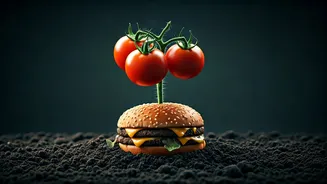
A popular gardening influencer embarked on a rather unconventional experiment, utilizing the tomato slices from a fast-food cheeseburger rather than discarding
them. This initiative, shared via a YouTube video, meticulously documented the entire process from the initial planting to the eventual growth of the tomato plants. The results were astonishing, even to the experimenter himself, highlighting the potential for gardening to commence with the most unexpected of materials. Two distinct methods were employed. In one approach, seeds were carefully extracted from a burger slice and planted in a cup. Concurrently, a separate method involved planting an entire tomato slice directly into the soil. This dual approach aimed to explore different propagation techniques, setting the stage for fascinating observations regarding plant viability and growth patterns, originating from an utterly unforeseen source.
Outdoor Transplants
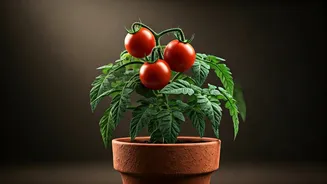
After an impressive 23 days, both the seed-grown and the slice-grown tomato specimens showed visible signs of sprouting. This promising development prompted their relocation outdoors. The plant nurtured from seeds was placed in a bucket for continued growth, while the one originating from the full tomato slice was planted directly into the ground. Despite admitting to less-than-ideal watering for the bucket-bound plant, especially during hot periods, it demonstrated remarkable resilience and continued to flourish, eventually producing tomatoes. This resilience underscores the robustness of plant life, even under less-than-perfect conditions. The outdoor setting provided a new environment for observation, allowing for a comparison of growth rates and fruit development between the two planting methods in a more natural setting.
Early Fruiting
Remarkably, by the 94th day of the experiment, the tomato plant housed in the bucket had already begun bearing fruit. The experimenter theorized that the earlier production of tomatoes on this plant might be attributed to the stress it endured, suggesting that challenging conditions can sometimes stimulate earlier reproductive cycles in plants. This observation adds an intriguing layer to horticultural understanding, proposing a link between environmental stress and accelerated fruiting. It challenges conventional notions of ideal growing conditions, hinting that plants can adapt and even thrive, sometimes with unexpected benefits, when faced with adversity. The early harvest provided a tangible reward for the experiment's progress.
Astonishing Yields
The plant that originated from the entire tomato slice yielded even more surprising results. By day 108, this particular specimen boasted dozens of tomatoes in various stages of ripening on its branches. The experimenter expressed profound astonishment, stating he had never witnessed such an abundant harvest from a single tomato plant in his entire gardening career. He marveled at the transformation, observing how a simple ingredient from a fast-food meal had culminated in such a prolific yield of fresh produce. This outcome far exceeded his initial expectations, showcasing an extraordinary level of productivity and a testament to the plant's vigorous growth.
Flavor Profile
Upon harvesting, the tomatoes were subjected to a taste test. The flavor was described as having a mild, pleasant sweetness with no discernible acidity, making them ideal for casual consumption. Interestingly, the smaller tomato harvested from the bucket-grown plant was noted to be sweeter. The experimenter also pointed out that due to the likely hybrid nature of these tomatoes, each plant might exhibit variations, and their seeds might not produce plants identical to the parent. This genetic aspect suggests that the fruits themselves could vary in taste and growth characteristics, adding another dimension to the uniqueness of this experiment's results.
Ripening Quirks
By day 121, the tomato plant grown directly in the ground had developed numerous large tomatoes. However, these fruits were not yet fully ripe. The experimenter speculated that this delay in ripening could be a characteristic of hybrid plants, which sometimes lose their consistent ripening patterns. This observation highlights the complexities of hybrid genetics and their potential impact on fruit development, even in a home garden setting. It suggests that while hybrid vigor can lead to impressive yields, it may also introduce variability in other desirable traits like uniform ripening, further emphasizing the unique outcomes of this particular gardening venture.
Motivation Behind Fun
The primary motivation behind this entire endeavor was simply for enjoyment and curiosity. The experiment unexpectedly served a dual purpose, invigorating the experimenter's overall gardening enthusiasm. The excitement of tracking the progress of the burger-grown tomatoes spurred him to actively engage with his garden, leading him to notice and address other aspects of his plant care. He found the experience of transforming a cheeseburger component into a substantial tomato harvest to be incredibly unique and refreshing, underscoring the joy and surprising outcomes that can arise from unconventional approaches to common activities.