





Yoga's Impact on Diabetes
Modern science increasingly validates what ancient yogis have known for centuries: yoga offers profound health benefits. Its ability to stimulate vital
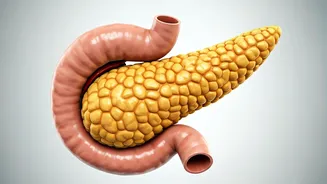
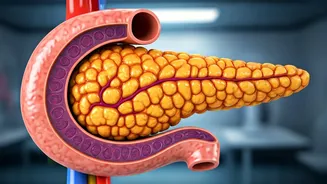
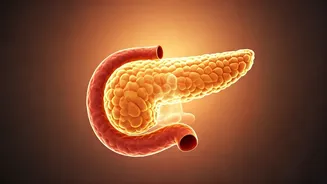
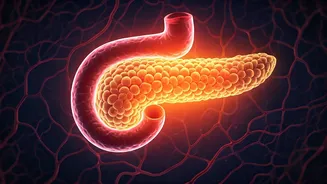
organs enhances metabolic processes, leading to more efficient cellular chemical transformations. This makes yoga particularly beneficial for individuals managing diabetes, a condition characterized by issues with insulin production or response, resulting in blood sugar imbalances. Research, including a study published in 'Evidence-Based Complementary and Alternative Medicine,' highlights yoga's positive short-term effects on fasting glucose and cholesterol levels. Crucially, certain yoga postures can directly invigorate the pancreas, potentially rejuvenating its insulin-producing capabilities. Furthermore, yoga aids in balancing the endocrine system, toning abdominal organs like the pancreas and liver, and stimulating the nervous and circulatory systems, all of which contribute to better diabetes control. Experts note that asanas help harmonize the body, breath, and mind, leading to optimal glandular secretions that enhance insulin's effectiveness. Specific poses that compress the abdomen can stimulate pancreatic secretions, encouraging more insulin release and potentially revitalizing insulin-producing beta cells in individuals with both type 1 and type 2 diabetes.
Vrikshasana for Pancreatic Health
The Vrikshasana, or Tree Pose, is a fundamental yoga posture that offers significant benefits for diabetes management, primarily by stimulating the pancreas. To perform this pose, begin by standing tall with your feet together and ensuring your knees, legs, and hands are kept straight. Then, carefully bring your right foot to rest on your left thigh, aiming for a right-angle position, or place it on your left leg wherever comfortable while maintaining balance, ensuring your right toes point downwards. Your stability will depend on your left leg. Bring your palms together at the center of your chest with fingers pointing upwards, and then slowly extend your arms overhead, keeping them slightly bent. Maintain a relaxed posture, look straight ahead, and breathe normally for approximately 10 seconds. To exit the pose, gently bring your hands back to your chest and lower your right leg to the ground. Repeat the entire process with the other leg. Aim to perform this sequence two to three times for optimal results, enhancing the hormonal secretions from your pancreas.
Dhanurasana for Pancreas and Intestines
The Dhanurasana, commonly known as the Bow Pose, is an effective asana for improving the functionality of both the pancreas and the intestines, thereby aiding in blood sugar regulation. This pose actively stimulates organs like the liver, pancreas, and other enzyme-producing organs. To practice Dhanurasana, lie down on your stomach with your feet positioned hip-width apart and your arms resting by your sides. Bend your knees and grasp your ankles. While inhaling, lift your chest off the ground and simultaneously pull your legs upward and backward. Keep your gaze forward, maintaining a serene expression. Hold this posture, which should resemble a taut bow, while focusing on your breath. Continue with deep, steady breaths for about 15-20 seconds. Upon exhaling, gently return your chest and legs to the ground, release your ankles, and relax. This pose is instrumental in enhancing the efficiency of digestive and endocrine organs crucial for diabetes management.
Halasana for Organ Stimulation
Halasana, or the Plough Pose, is a highly beneficial yoga posture for individuals managing diabetes due to its profound impact on internal organs. This asana stimulates the pancreas and spleen, and its full-body engagement activates the immune system by gently massaging all internal organs, including the pancreas. It also enhances kidney and liver function and strengthens the abdominal muscles, while simultaneously rejuvenating the mind. To perform Halasana, lie flat on your back with your arms placed alongside your body, palms facing down. Inhale deeply and engage your abdominal muscles to lift your feet off the floor, raising your legs to a 90-degree angle. Continue breathing normally, and using your hands to support your hips and back, lift them off the ground. Subsequently, sweep your legs in a 180-degree arc over your head until your toes touch the floor behind you, ensuring your back is perpendicular to the floor. While this may be challenging initially, hold the pose for a few seconds to a minute, depending on your capacity, allowing your body to relax with each steady breath. Exhale gently as you slowly bring your legs down, avoiding any sudden movements. This deep compression and stretch contribute significantly to the health of vital organs involved in glucose metabolism.
Ardha Matsyendrasana for Digestion and Pancreas
Ardha Matsyendrasana, the Half Spinal Twist Pose, offers a range of benefits that are particularly advantageous for those managing diabetes. This asana effectively massages critical organs such as the kidneys, pancreas, small intestines, gall bladder, and liver, thereby stimulating digestion and facilitating the elimination of toxins. Its focused engagement on the pancreas makes it especially useful for diabetic individuals. Beyond its impact on internal organs, this pose enhances spinal elasticity and tones the spinal nerves. To practice Ardha Matsyendrasana, sit on the floor with your legs stretched out straight in front of you. Then, bend your right leg and place the heel of your right foot close to your left knee. Bring your right hand behind your waist, twisting your trunk, and place your palm on the floor. Position your left hand near your right knee and grasp your right leg's ankle or big toe with your left hand. Finally, twist your head and shoulder towards the right, looking over your right shoulder towards the back. This deep twist aids in detoxifying the abdominal organs and improving their function, which is crucial for metabolic health and blood sugar control.