
Smart Shopping Strategies
To begin with, savvy shopping is the first step towards cooking delicious meals on a budget. Planning your weekly meals in advance allows for the creation
of a grocery list and helps prevent impulsive purchases that can strain your budget. Comparing prices at different local stores and online platforms can reveal significant savings, especially on staple items such as rice, lentils, and spices. Consider buying produce in season, which is generally more affordable and fresher than out-of-season alternatives. Making use of discount coupons, loyalty programs, and bulk-buying options for non-perishable goods like flour, sugar, and dried beans can further minimize your expenses. Furthermore, it's wise to avoid pre-cut vegetables and pre-packaged meals that typically come at a premium; purchasing whole ingredients and preparing them at home can lead to considerable cost savings.
Mastering Kitchen Essentials
A well-equipped kitchen doesn't necessarily mean a costly one. You can build up your kitchen slowly, prioritizing essential items first. Start with a basic set of pots and pans—a pressure cooker is particularly useful for Indian cooking, as it speeds up the cooking time for lentils and other dishes. Quality cookware will last longer and cook the food more evenly, which helps save time and energy. A good set of knives, a chopping board, and measuring tools are also indispensable. Gradually add other helpful equipment like a blender, food processor, and various serving bowls as your budget permits. Focus on acquiring versatile items that serve multiple purposes, instead of specialized gadgets. Always remember to maintain and care for your kitchen tools to extend their lifespan, contributing to long-term savings.
Flavorful Recipes on a Budget
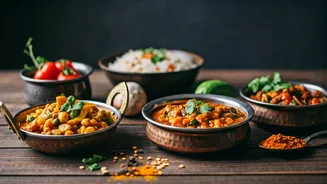
Several traditional Indian dishes are naturally budget-friendly and easy to prepare. Lentil-based dishes, like dal tadka, are packed with protein and nutrients, making them a cost-effective choice. Rice, a staple in many Indian households, is inexpensive and can be paired with various curries and side dishes. Vegetable curries, utilizing seasonal vegetables, can be highly economical. Consider making aloo gobi (potato and cauliflower) or baingan bharta (roasted eggplant mash) for delicious and healthy meals. Another budget-friendly option is khichdi, a one-pot meal made with rice, lentils, and spices, which is easy to cook and digest. You can also explore regional variations of these dishes to add variety to your meal plans. Remember, the key to great food is not expensive ingredients, but the right combination of spices and cooking techniques.
Reducing Food Waste
Reducing food waste is an essential part of budget-conscious cooking. Plan your meals carefully to use up all ingredients before they spoil. Store food properly by using airtight containers to keep them fresh longer. If you have leftover vegetables, use them to make vegetable stock or add them to soups and stews. Leftover rice can be utilized to make rice fritters or fried rice. Use your refrigerator's 'use-by' or 'best-by' labels as a guide and consume ingredients before their expiration date. Composting food scraps is also a great way to reduce waste while benefiting your garden. By taking these steps, you not only reduce food waste but also minimize food expenses and boost your sustainability efforts. Make a conscious effort to creatively utilize leftovers, turning them into entirely new dishes to add variety to your meals and reduce waste.
Spice and Seasoning Wisdom
Spices and seasonings can transform simple ingredients into delicious, flavorful meals, but they can be costly if not used smartly. Buying spices in bulk, when feasible, can be a cost-effective option, particularly for commonly used spices like turmeric, cumin, and coriander. Store spices in airtight containers away from heat and light to preserve their flavor and extend their shelf life. Experiment with different spice combinations to enhance the taste of your dishes. Consider making your spice blends at home, as it is often cheaper and allows you to customize the flavors to your liking. Use fresh herbs whenever possible, as they add vibrant flavors. Don't be afraid to utilize cheaper alternatives like ginger-garlic paste instead of fresh ingredients. By carefully using spices and seasonings, you can elevate your cooking without exceeding your budget.