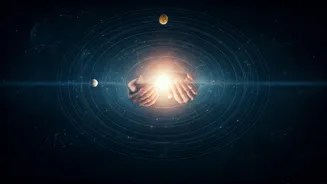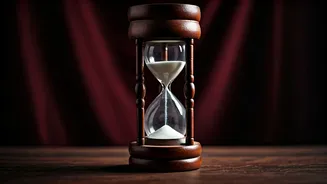




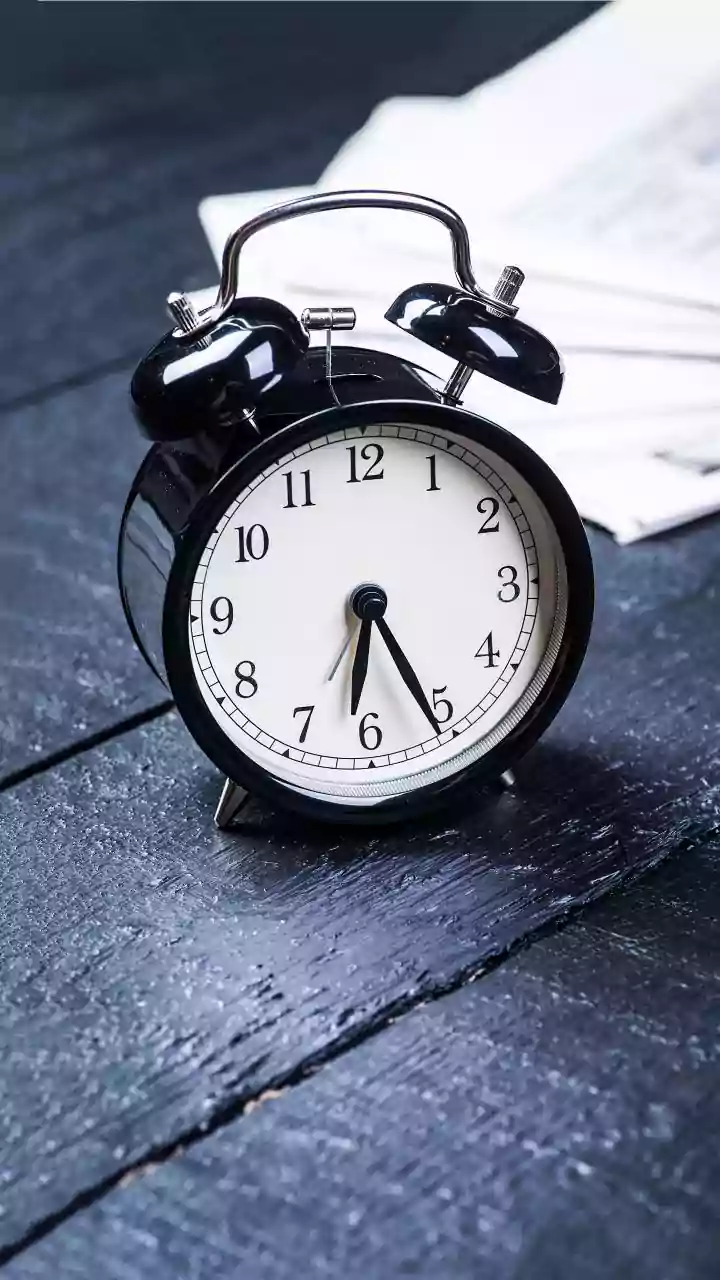



Time's Elusive Nature
Time, a constant companion, often feels slippery and intangible. We attempt to contain it through calendars, clocks, and schedules, yet it slips through our
fingers, its essence remaining elusive. We measure it in seconds, minutes, hours, days, and years, structuring our lives around these units. However, time's true nature extends far beyond these mechanical measurements. Our perception of time varies; sometimes, it crawls, and at other times, it rushes by. The feeling of time changes based on circumstances, emotions, and the activities we engage in, creating a subjective experience. This makes time a complex phenomenon that is tough to fully grasp, because it's both objective and subjective.
Measuring and Structuring
Humanity's obsession with time manifests in our need to measure and organize it. From the sundial to the atomic clock, we've developed progressively advanced tools to define and measure time with greater accuracy. Calendars, both solar and lunar, have allowed societies to structure their activities around celestial cycles, organizing agricultural practices, religious observances, and social events. The invention of standardized time zones across the globe further demonstrates our commitment to regulating time. This drive to measure and control time also mirrors our desire to control the events in our lives and to give structure to the chaos of daily experiences.
Time and Experience
Our personal experiences strongly shape how we perceive time. Moments of joy and intense focus often seem to vanish quickly, while periods of boredom or stress can stretch out. Memory plays a vital role. Looking back, significant life events often occupy disproportionate time in our recollections, giving the impression that they lasted longer than they did. This interplay between time and memory highlights the subjective nature of our experience, demonstrating that time is not just a linear progression, but a dynamic component shaped by our emotions, memories, and involvement in the moment. The way we engage with time is, therefore, uniquely individual, influencing how we live our lives.
Battling with Time
The relentless passage of time often forces us into conflict, as we are constantly aware of its limits. We are always aware of not having enough time, especially in a world that always demands more. The pressure of deadlines, responsibilities, and the need to achieve can make us feel perpetually rushed, creating stress and anxiety. We look for ways to manage and save time, such as efficiency, multitasking, and delegating tasks. The paradox remains that the more we try to control time, the more it seems to slip away. This struggle is a fundamental part of the human experience, a reminder of our mortality and our efforts to make the most of our existence within time's constraints.
Time's Cultural Impact
Time's importance has profoundly impacted societies and cultures globally. Societies differ in how they value punctuality, schedule events, and perceive the past, present, and future. Some cultures focus on the present, emphasizing the importance of enjoying the moment. In contrast, others place greater emphasis on future planning and long-term goals. These cultural differences are evident in business practices, social interactions, and even in artistic expressions. These variances highlight how time acts as an organizing principle, influencing social norms, value systems, and the overall rhythm of life across the world. Understanding these differences can promote greater cross-cultural empathy and communication.
Embracing Time
Rather than constantly battling time, there is a case to be made for a more accepting relationship. This involves practicing mindfulness, appreciating the present moment, and recognizing that time is not something that can be owned or controlled, but rather something to experience. This change in perspective can lead to reduced stress, increased joy, and a better understanding of one's place within the stream of time. It prompts us to re-evaluate our priorities, letting us spend our time on things that are meaningful to us. Ultimately, embracing time means living a more intentional and fulfilling life by being present.