






A Rare Ancient Loaf
In a remarkable archaeological discovery at the Vindonissa military camp in Switzerland, a 2,000-year-old loaf of bread has been unearthed. This find is particularly
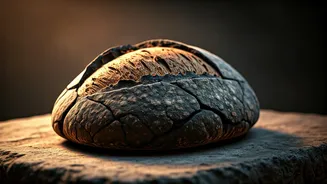
significant because intact bread from antiquity is exceptionally rare due to its perishable nature. Typically, bread decomposes over time, but in this instance, the loaf was accidentally charred, a process that surprisingly preserved its structure by sealing it against decay. The carbonized object, measuring approximately 10 centimeters in diameter and 3 centimeters thick, is believed to be the first Roman-era bread ever identified in Switzerland. This discovery goes beyond mere leftovers; it offers a tangible connection to the daily existence of Roman soldiers stationed far from the heart of the empire, providing a unique glimpse into their sustenance and the logistical capabilities of Roman frontier outposts.
Organized Rations Unearthed
The significance of this 2,000-year-old bread extends far beyond its remarkable preservation. Archaeologists emphasize that this is not just any old food scrap. Its uniform shape and size, suggestive of a small, flat, or unleavened bread, point towards a systematic baking process. This implies that the bread was likely prepared in a communal oven, rather than being an individual, homemade item. Such organized food production was crucial for sustaining large numbers of soldiers at frontier camps like Vindonissa, which was a vital legionary base in the 1st century CE. The discovery is considered a rare and evocative artifact, offering substantial evidence of the logistical planning involved in feeding Roman troops. Future scientific analysis will further illuminate the grain types used and baking conditions, potentially revealing how Roman forces utilized local resources alongside imported supplies.
Life on the Frontier
This ancient bread loaf is a key piece in understanding the broader context of Roman military life in what is now northern Switzerland. Vindonissa served as a critical legionary stronghold, strategically positioned to oversee important river routes and border territories. The archaeological site has yielded not only this unique bread but also the remnants of early fortifications, barracks, and various other everyday objects. These findings collectively paint a picture of Vindonissa as more than just a temporary encampment; it was a complex, long-term settlement. The bread, therefore, represents a fundamental aspect of the daily sustenance that supported these enduring military installations and the soldiers who inhabited them, offering a grounded perspective on the realities of life at the empire's edge.