


The Deceptive Appearance
At first glance, a plate of rolled snacks might evoke familiarity, especially if you've encountered Gujarati Khandvi. However, presenting this to someone
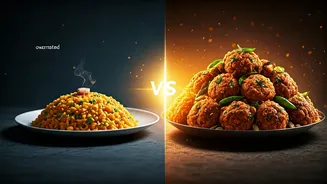
expecting it and instead offering a bite of spicy, garlicky Tibetan Laphing leads to a moment of culinary surprise. This visual similarity is the root of their frequent confusion, yet beneath the surface, these dishes are profoundly different in their cultural context, composition, and the sensory experience they provide. One offers a comforting, mild sensation, while the other delivers a punch of bold, intense flavors. Understanding these distinctions is key to appreciating each snack for its unique merit.
Introducing Khandvi
Khandvi stands as a quintessential snack originating from Gujarat, crafted primarily from gram flour, also known as besan, and buttermilk. The preparation involves a slow cooking process where the mixture is meticulously spread into thin sheets. These delicate sheets are then carefully rolled into elegant spirals, showcasing a refined culinary technique. A light tempering, usually featuring mustard seeds, curry leaves, and sesame seeds, garnishes the rolls, with optional toppings of fresh coconut or coriander adding an extra layer of flavor and visual appeal. The resulting snack is characterized by its soft, melt-in-your-mouth texture and a mild, subtly tangy taste, making it a popular choice for tea-time or as a sophisticated component of a traditional Gujarati farsan platter.
Unveiling Laphing
Laphing, on the other hand, is a cold noodle dish deeply rooted in Tibetan culinary tradition, which has gained significant traction as a popular street food, particularly in places like Delhi. Its unique, slippery, and jelly-like texture is derived from the primary ingredients: mung bean starch or wheat starch. Once the starch is prepared, it's formed into sheets, rolled, and then liberally coated with a potent blend of chilli oil, garlic, soy sauce, vinegar, and various spice pastes. Served chilled, Laphing delivers a sharp, intensely spicy, and boldly flavored profile that commands attention with every bite, often prompting a moment of reflective pause from the diner.
Diving Deeper: Key Differences
The divergence between Khandvi and Laphing is multifaceted, extending beyond mere appearance. Culturally, Khandvi is a cherished traditional snack, often prepared at home and integral to family gatherings, embodying comfort and heritage. In contrast, Laphing thrives as vibrant street food, designed for quick, assertive consumption. Ingredient-wise, Khandvi’s foundation of besan and buttermilk ensures a simple, mild flavor, whereas Laphing relies heavily on starch, with its assertive taste profile being almost entirely dictated by the accompanying sauces and seasonings. The cooking process for Khandvi demands precision to achieve the right consistency, with even minor errors impacting the final rolls. Laphing's preparation prioritizes the dressing and assembly over intricate cooking techniques. Texturally, Khandvi is feather-light and dissolves in the mouth, while Laphing is distinctly slippery and chewy, offering a more dramatic mouthfeel. Flavor intensity is another major differentiator: Khandvi is subtle and comforting, whereas Laphing is audaciously spicy and unapologetic. Finally, the aftertaste reflects this: Khandvi leaves a gentle tang, while Laphing leaves a lingering warmth of spice and garlic.
Choosing Your Culinary Adventure
Deciding between these two visually similar yet flavorfully opposed snacks depends entirely on your palate's preference. If you gravitate towards delicate, mild flavors and appreciate traditional snacks that are easy and soothing to eat, then Khandvi is undoubtedly the choice that will resonate with you. It offers a gentle introduction to Indian snacking culture, perfect for those who prefer subtlety. Conversely, if your culinary desires lean towards excitement, seeking out intense heat, zesty sourness, and the bold, dynamic tastes characteristic of street food, Laphing will likely be the more compelling option. It caters to those who enjoy a robust and thrilling flavor experience that awakens the senses and leaves a lasting impression.