



A Land of Waterways
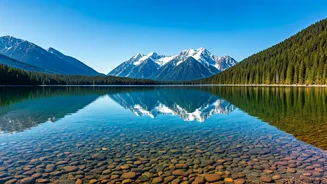
Nestled along the Canadian border, Minnesota's Voyageurs National Park is a breathtaking expanse of interconnected lakes and dense boreal forests, sculpted
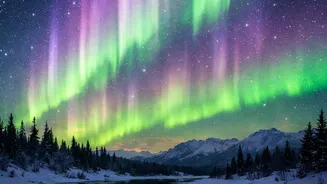
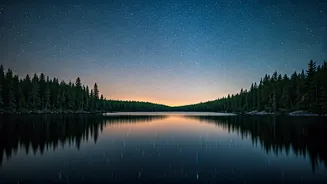
by ancient glaciers. This remote wilderness earned its name from the intrepid French Canadian fur traders, known as voyageurs, who navigated its waters in massive birch and cedar canoes during the 1800s. Today, the park offers a profound glimpse into the past, preserving the natural shorelines of this magnificent lake country. The park's heritage also acknowledges the region's first inhabitants, the ancestors of the Bois Forte Chippewa (Ojibwe), who journeyed through these lands over 10,000 years ago. They were intimately familiar with the three main lakes—Kabetogama, Rainy, and Namakan—that encircle the secluded Kabetogama Peninsula, a vital habitat for eastern gray wolf packs. Voyageurs is also a designated dark sky park, making it one of the premier locations in the contiguous United States to witness the mesmerizing spectacle of the northern lights, or _Waawaate_, painting the night sky with vibrant ribbons of green and yellow.
Seasonal Wonders Unveiled
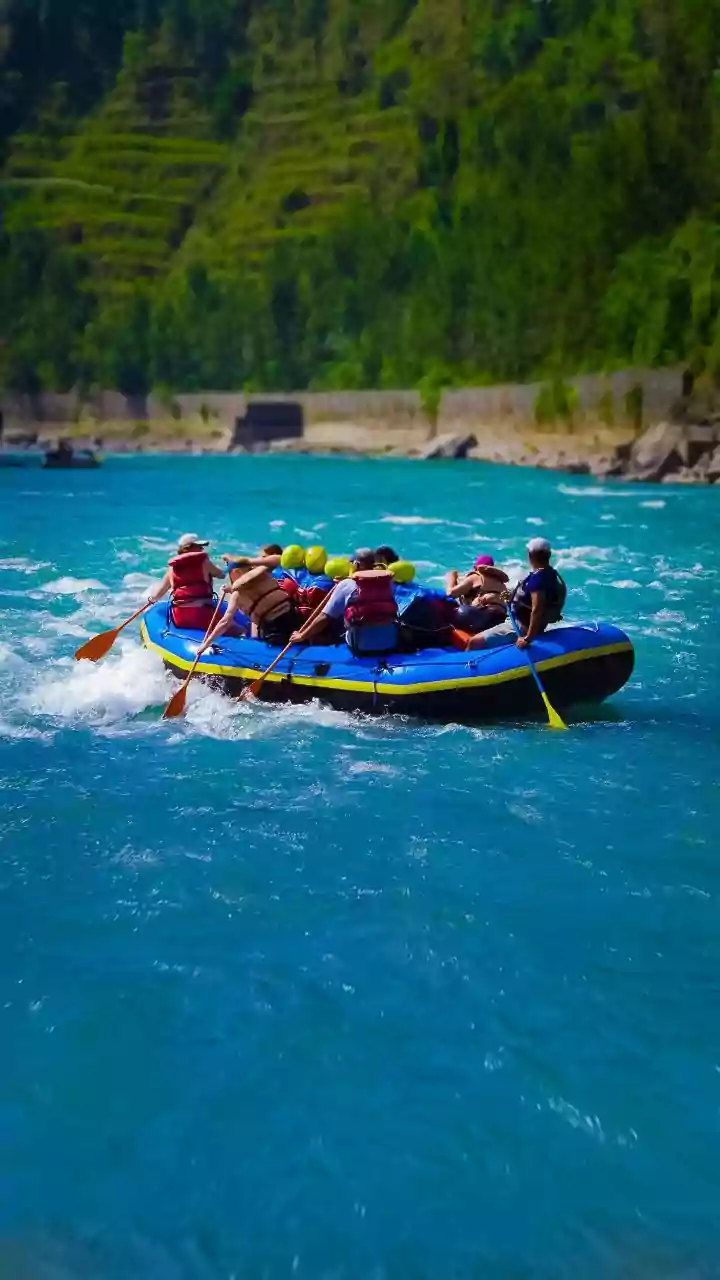
Summer is undoubtedly the peak season at Voyageurs, drawing visitors with its warm temperatures and extended daylight hours, perfect for a multitude of water-based activities. From June through August, the park's hundreds of interconnected lakes beckon exploration through boating, kayaking, and canoeing. Anglers find abundant opportunities, while campers can settle in under some of the Midwest's clearest night skies, often spotting bald eagles and moose along the serene shores. Fall transforms the landscape into a vibrant tapestry of color as dense forests erupt in hues of red, orange, and gold. This season offers cooler weather and fewer crowds, making it ideal for appreciating the park's autumnal beauty. Winter ushers in a different kind of magic, converting the park into a frozen playground for snowmobilers, cross-country skiers, and ice fishers, while the aurora borealis remains a captivating spectacle. Spring brings a sense of peaceful solitude, with awakening waterways, the return of migratory birds, and a serene prelude to the bustling summer months.
Scenic Vistas and Trails
For unparalleled scenic beauty, head to the Grassy Bay Cliffs, also known as Sandy Point Lake, a dramatic 125-foot granite outcrop formed approximately 2.6 billion years ago. This geological marvel offers stunning views, and visitors are encouraged to anchor their boats, enjoy a picnic, and marvel at the sheer cliffs and towering evergreen trees. The area is particularly spectacular in autumn when the surrounding birch trees blaze with crimson, orange, and gold foliage. To experience this elevated viewpoint, which represents one of the park's highest points, motorboat or houseboat rentals are available from authorized providers. The cliffs are roughly five miles from the northern tip of Crane Lake and are a scenic 30-minute journey. In winter, snowmobiling is the preferred method of access, with rentals available in nearby gateway communities. For hikers, the Ash River Visitor Center area offers accessible trails. The Sullivan Bay Overlook Trail, a modest 1.5-mile round trip, winds through dense boreal forest to a rocky perch overlooking Sullivan Bay, featuring a picnic table and fire ring—an ideal spot for a meal or stargazing. For a slightly more challenging yet still easy hike, the Blind Ash Bay Trail presents a three-mile loop with rewarding vistas of Kabetogama Lake and its numerous small islands. More adventurous hikers can tackle the six-mile Locator Lake Trail on the Kabetogama Peninsula, accessible only by watercraft. This trail offers opportunities for day hikes to various lakes or, for a more immersive experience, overnight stays at backcountry campsites, some equipped with rental canoes.
Wildlife Encounters and Viewing
While Voyageurs National Park is home to at least three wolf packs and numerous others in the surrounding ecosystem, sightings of the elusive eastern gray wolf are rare, even for seasoned wildlife biologists who often rely on trail cameras for documentation. However, their presence can sometimes be detected by their calls, particularly on the Kabetogama Peninsula. Beyond wolves, the park teems with other wildlife. Beaver ponds, such as the Beaver Pond Overlook, are excellent locations for observing a variety of animals, including waterfowl, mink, muskrats, and otters. These areas also present a chance, though still uncommon, to spot moose. Birdwatchers will find themselves in a paradise, with over 240 species recorded in this Audubon-designated Important Bird Area. Keep an eye out for common loons, Canada jays, pileated woodpeckers, spruce grouse, and barred owls, whose calls echo through the forests. The park's diverse habitats support a rich array of creatures, making every visit a potential for exciting wildlife discoveries, even from the park's many overlooks and shorelines.
Exploring and Experiencing Voyageurs
Fishing is a major draw for visitors to Voyageurs National Park, with opportunities to catch walleye, northern pike, and smallmouth bass. To cast a line, obtaining a Minnesota fishing license is required. Numerous guided boat tours are available to help visitors explore the park's extensive network of over 30 lakes. During winter, the Black Bay Trail system becomes a popular destination for cross-country skiing, offering groomed trails for all skill levels. Ski and snowshoe rentals are available at nearby facilities, with access often facilitated by the Rainy Lakes ice road, allowing car travel across the frozen lake. For a unique historical experience, the Bois Forte Heritage Center offers insights into the local tribe's migration and the impact of post-colonial boarding schools, featuring a notable Lifeways Exhibit showcasing intricate beadwork and basketry. Families will delight in ranger-led programs, such as the full-day Kettle Falls Cruise, which visits the historic Kettle Falls Hotel, retracing routes once traveled by the voyageurs. In the evening, ranger-guided stargazing tours offer incredible views of the night sky. For an authentic taste of history, the North Canoe Voyage allows families to paddle a 26-foot canoe, learning traditional techniques from costumed rangers. Winter activities also include sledding at the designated hill.
Accommodations and Planning
Accommodation options within Voyageurs National Park are unique and often require advance planning. The remote Kettle Falls Hotel is the only in-park lodging, accessible exclusively by boat or floatplane, and necessitates a minimum three-night stay. Shuttle services to the hotel are available from the Ash River Visitor Center. The park boasts over 150 campsites, reachable by boat, whether you paddle yourself or hire a water taxi. Winter camping requires more specialized skills, accessible only via snowshoe, cross-country ski, or snowmobile. The Kabetogama Peninsula offers more isolated backcountry campsites, accessible by boat followed by a hike. For those seeking a drive-in experience, the closest option is the Woodenfelt Campground. Houseboat rentals, some featuring amenities like slides and hot tubs, are readily available in gateway communities such as Rainy Lake and Crane Lake, with docking reservations within the park needing to be booked in advance. Gateway towns also provide a range of lodges and vacation rentals. Planning ahead is crucial, as campsites, boats, and tours, especially for popular weekends and larger groups, should be booked more than six months in advance, with next year's campsites becoming available on November 15. Be prepared for variable weather; lake ice-out can occur as late as mid-to-late May, and while summer generally offers pleasant conditions from Memorial Day to Labor Day, temperatures can drop rapidly outside this window. Visitors should also be aware of insects like ticks, deer flies, and mosquitoes during summer months and take appropriate precautions, including wearing long pants tucked into socks and using insect repellent. Pet policies are in place, allowing pets in designated areas like frontcountry campsites and around visitor centers, provided they are leashed and vaccinated. Dog sledding is permitted on frozen lakes, but specific regulations should be checked.