
Salad Introduction & Variety
Salads represent a wonderfully flexible way to incorporate fresh produce into your daily diet. They can be incredibly diverse, ranging from simple side
dishes to complete, satisfying meals. This collection highlights 15 different salad recipes, each showcasing a unique combination of ingredients, flavors, and textures. You'll find options that are light and refreshing, perfect for a summer day, as well as heartier salads that are substantial enough to serve as a main course. The beauty of salads lies in their adaptability – they can be customized to suit your individual tastes, dietary requirements, and the seasonal availability of ingredients. Whether you’re a seasoned salad enthusiast or new to the world of leafy greens, these recipes offer something for everyone. This compilation offers a broad spectrum of possibilities, ensuring that everyone can discover a salad to fall in love with.
Refreshing Summer Salads
Summer calls for light and refreshing salads that combat the heat and invigorate the palate. Start with a classic Caprese salad, featuring ripe tomatoes, creamy mozzarella, and fragrant basil, drizzled with balsamic glaze. Another refreshing choice is a watermelon and feta salad, where the sweetness of watermelon contrasts beautifully with the salty feta and a hint of mint. A simple cucumber and dill salad, dressed with a light vinaigrette, provides a cooling and hydrating option. For a more exotic touch, consider a mango and avocado salad, combining the tropical sweetness of mango with the creamy texture of avocado and a zesty lime dressing. These salads are not only delicious but also quick and easy to prepare, making them perfect for those warm-weather gatherings or light lunches.
Hearty Grain Salads
Grain salads are a fantastic way to create a more substantial and satisfying meal. Quinoa salads are incredibly versatile; toss cooked quinoa with roasted vegetables like bell peppers, zucchini, and red onions, then add a lemon-herb vinaigrette. A farro salad, with its nutty flavor and chewy texture, pairs well with roasted root vegetables, such as sweet potatoes and parsnips, along with toasted nuts and a maple-mustard dressing. Couscous salads are quick to make; combine cooked couscous with chopped vegetables, chickpeas, and a bright, flavorful dressing. These salads are packed with nutrients and fiber, keeping you full and energized for longer. They are excellent for meal prepping, as they can be made in advance and stored in the refrigerator, ready to be enjoyed throughout the week. Grain salads offer a balance of flavors and textures, making them a well-rounded and delightful option for lunch or dinner.
Protein-Packed Salads
For those seeking a protein boost, these salads offer a great solution. Chicken salad is a timeless classic; combine cooked chicken with celery, grapes, and a light mayonnaise dressing. Tuna salad, prepared with fresh tuna, mayonnaise, and crunchy vegetables, is another easy and satisfying choice. For a vegetarian option, try a black bean and corn salad, seasoned with lime juice, cilantro, and spices, or a chickpea salad with tahini dressing. These protein-packed salads provide essential nutrients and are perfect for keeping you full and satisfied. They can be customized with various toppings and dressings to suit your preferences. Adding hard-boiled eggs or a sprinkle of nuts further enhances the protein content and adds a layer of texture, making these salads even more appealing and fulfilling.
Leafy Green Creations
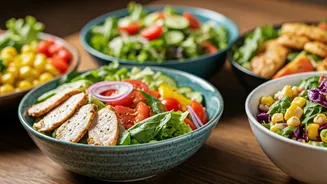
Leafy green salads form the base for countless variations, providing a canvas for culinary creativity. A simple mixed green salad, featuring a blend of lettuce varieties, tossed with your favorite vinaigrette, is a refreshing and versatile option. Add grilled chicken or shrimp for protein, or include roasted vegetables like sweet potatoes and Brussels sprouts for added flavor and texture. Spinach salads, with their earthy flavor and nutrient-rich profile, can be enhanced with ingredients such as berries, goat cheese, and toasted nuts. A Caesar salad, though classic, remains a favorite, with crisp romaine lettuce, croutons, parmesan cheese, and a creamy dressing. The possibilities are endless; experiment with different greens, toppings, and dressings to create your unique signature salad. From simple greens to complex combinations, leafy green salads offer a healthful and enjoyable meal.
Dressing Delights
The dressing is what really brings a salad together, transforming the ingredients into a harmonious blend of flavors. A simple vinaigrette, made with olive oil, vinegar, and herbs, provides a light and refreshing touch. For a creamier option, try a yogurt-based dressing, which can be infused with herbs, spices, and citrus zest. A classic Caesar dressing, with its creamy texture and savory notes, enhances the flavor of romaine lettuce. A honey-mustard dressing offers a balance of sweetness and tang, complementing both leafy greens and grain salads. Experiment with different types of oils, vinegars, and spices to find your perfect flavor combinations. Dressing options can be customized to suit your dietary requirements, such as using vegan mayonnaise or dairy-free yogurt. The right dressing enhances the flavors of the salad ingredients, creating a balanced and delightful culinary experience.
Salad Add-ins & Toppings
Adding various toppings to a salad adds not only flavor but also enhances the overall appeal and nutritional value of the meal. Consider adding crunchy elements like toasted nuts or seeds, such as sunflower seeds, pumpkin seeds, or almonds. Fresh fruits, such as berries, mango, or oranges, bring sweetness and freshness to the salad. Different cheeses, from feta and goat cheese to parmesan and blue cheese, offer a range of textures and flavors. Roasted or grilled vegetables add depth and complexity to the salad, while adding cooked proteins like chicken, shrimp, or chickpeas increases the protein content, making the salad more filling. The combination of different textures and flavors creates a well-rounded and satisfying meal. You can customize your salad to meet your dietary preferences and ensure that each ingredient contributes to a delightful experience.
Seasonal Salad Ideas
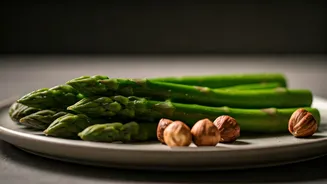
Adjusting your salad ingredients based on the season ensures the freshest and most flavorful meals. In the spring, enjoy a salad with fresh asparagus, peas, and radishes, dressed with a light lemon vinaigrette. Summer salads can feature ripe tomatoes, sweet corn, and cucumbers, perfectly complemented by a simple herb dressing. Autumn salads shine with roasted squash, apples, and toasted pecans, enhanced by a maple-balsamic vinaigrette. Winter salads can include hearty greens, such as kale and Brussels sprouts, with roasted root vegetables and a warm vinaigrette. Choosing seasonal ingredients not only ensures maximum flavor but also supports local farmers and reduces environmental impact. By embracing seasonal variety, you can enjoy a diverse range of salads throughout the year.
Tips for Salad Prep
Proper preparation is key to creating excellent salads. Wash and dry all greens and vegetables thoroughly to remove any dirt or debris and achieve the best texture. Chop vegetables and fruits into uniform sizes to ensure even distribution of flavors and a pleasant eating experience. Prepare the dressing separately and add it just before serving to prevent the salad from becoming soggy. If preparing salads in advance, store the dressing separately and add it just before consumption. Experiment with different textures and flavors, from crunchy croutons and nuts to creamy avocado and cheese. Consider preparing the components in advance and assembling them just before serving to preserve the freshness and crunch of the ingredients. Careful preparation ensures that your salads are both delicious and visually appealing, making them a pleasure to eat.
Salads for Health Benefits
Salads are excellent vehicles for improving overall health and wellness. They are packed with vitamins, minerals, and antioxidants, which support overall health and well-being. By incorporating various colorful vegetables and fruits, you increase your intake of vital nutrients. Adding lean proteins and healthy fats, such as avocados and nuts, promotes satiety and helps maintain a balanced diet. Salads can assist with weight management and digestion due to the high fiber content. Using homemade dressings can control the amount of sugar and sodium in your meals, making them even healthier. Regular consumption of salads contributes to a reduced risk of chronic diseases. With the right ingredients and preparation methods, salads can become a cornerstone of a healthy and balanced lifestyle. They provide a flavorful and nutrient-rich approach to eating well.
Beyond the Basics
Salads extend beyond simple mixes of greens; they represent a world of culinary possibility. Consider creating salad bowls, with a base of grains like quinoa or brown rice, topped with roasted vegetables, protein, and a flavorful dressing. Experiment with different ethnic influences, such as a Mediterranean salad with feta, olives, and hummus, or a Thai salad with peanuts, lime, and chilies. Turn salads into appetizers by serving individual portions in small glasses or cups. Use salads to repurpose leftovers; add leftover roasted chicken or grilled vegetables to a salad. Don’t be afraid to try new ingredients and flavor combinations. The key to salad making is experimentation, creativity, and having fun in the kitchen. Embrace the opportunity to explore different tastes and textures, and create salads that are both healthy and delicious.
Vegetarian & Vegan Options
Salads are naturally well-suited to vegetarian and vegan diets. Many salads can be easily adapted to be meat-free, by removing the meat and adding alternative protein sources. For vegetarians, consider adding hard-boiled eggs, cheese, or beans to your salads. For vegans, use plant-based protein sources such as tofu, tempeh, or edamame. Ensure that your dressing is also vegan-friendly by opting for olive oil, vinegar, and plant-based alternatives to dairy-based products. Pay close attention to ingredient labels, as some dressings contain animal products. Embrace the wide variety of vegetarian and vegan salad ingredients to create delicious and nutritious meals. The flexibility of salads makes them a perfect fit for any dietary preference. By choosing plant-based ingredients, you can make meals that are both ethical and nutritious.
Salad Making Made Easy
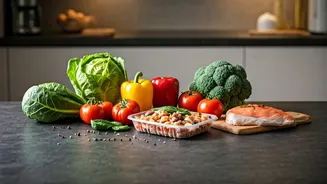
Making salads can be a simple and enjoyable process. Start by gathering your favorite fresh ingredients, including greens, vegetables, fruits, and proteins. Wash and prepare all ingredients, chopping and slicing them into the desired sizes. Prepare the dressing of your choice. Assemble the salad just before serving, tossing the ingredients together with the dressing to ensure the freshest flavor. Store any leftover ingredients separately to prevent them from becoming soggy. Consider using pre-cut vegetables and pre-washed greens to save time. Using a salad spinner can remove excess water from your greens, enhancing their texture and flavor. Invest in a good set of kitchen tools, such as a sharp knife and a sturdy cutting board, to simplify the process. With a bit of practice and preparation, salad making will become second nature, allowing you to enjoy healthy and flavorful meals easily.
Salad Meal Prep Tips
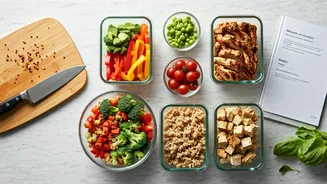
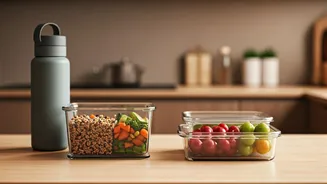
Meal prepping salads can be a great way to save time and promote healthy eating habits. Prepare your ingredients in advance; chop vegetables, cook grains, and prepare protein sources, such as grilled chicken or hard-boiled eggs. Store each component separately in airtight containers to maintain freshness and prevent sogginess. Keep the dressing separate until just before serving to preserve the salad's texture. Assemble your salads in individual containers for easy grab-and-go meals throughout the week. Use durable containers that are easy to clean and seal tightly to prevent leakage. If you plan to include delicate greens like lettuce, pack them separately and add them at the last moment. Meal prepping ensures a convenient way to access fresh, healthy salads, and reduces the temptation to resort to less nutritious options. Planning and preparation contribute to a sustained healthy lifestyle.
Conclusion: Salad Enjoyment
Salads are a versatile, flavorful, and incredibly healthy way to enhance your diet. These 15 recipes offer a starting point for exploring the world of salads, from light and refreshing options to more substantial meals. Embrace the creativity and flexibility of salad making, adapting the recipes to your preferences and available ingredients. By incorporating salads into your meals, you can nourish your body with essential nutrients, support overall well-being, and enjoy the variety of flavors and textures that salads offer. So, start experimenting, exploring, and most importantly, enjoying the deliciousness and health benefits of salads. The key is to find recipes and ingredients you love, and make salads a regular part of your culinary experience.