






Space-Based Data Relay
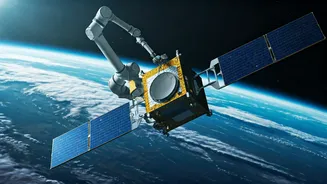
A burgeoning startup named Starcloud is set to redefine how data is managed and transmitted beyond Earth's atmosphere. This company is integrating advanced
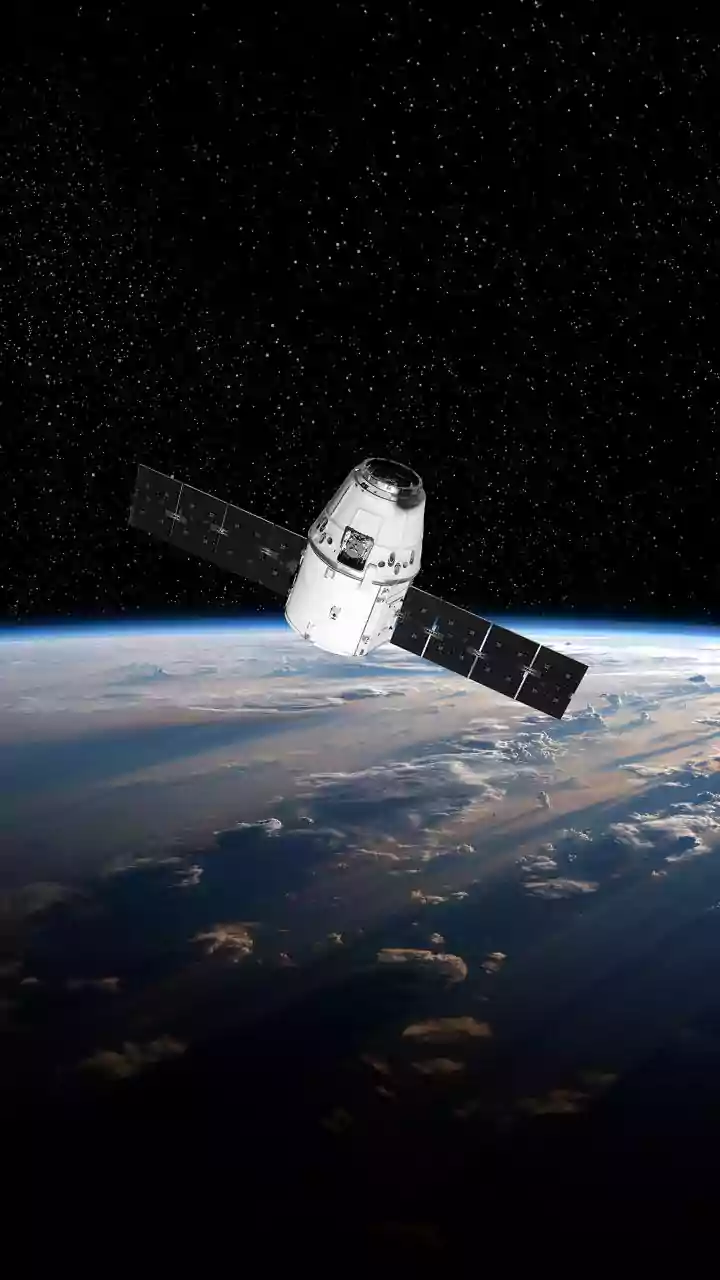
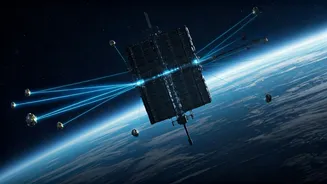
gigabit laser technology, originally developed for SpaceX's Starlink internet constellation, into its own satellites. These 'Mini Lasers,' embedded in over 25 orbiting satellites, are designed to establish direct communication pathways. This innovative approach allows Starcloud satellites to send and receive vast amounts of data by communicating with nearby Starlink satellites, effectively bypassing the need for data to travel through ground stations. The initial deployment of this hardware is anticipated within the next year, marking a significant step towards a more robust and efficient space-based data infrastructure. This partnership underscores a forward-thinking strategy for Starlink, extending its capabilities beyond providing internet access to terrestrial users and venturing into inter-satellite communication.
Laser Link Technology
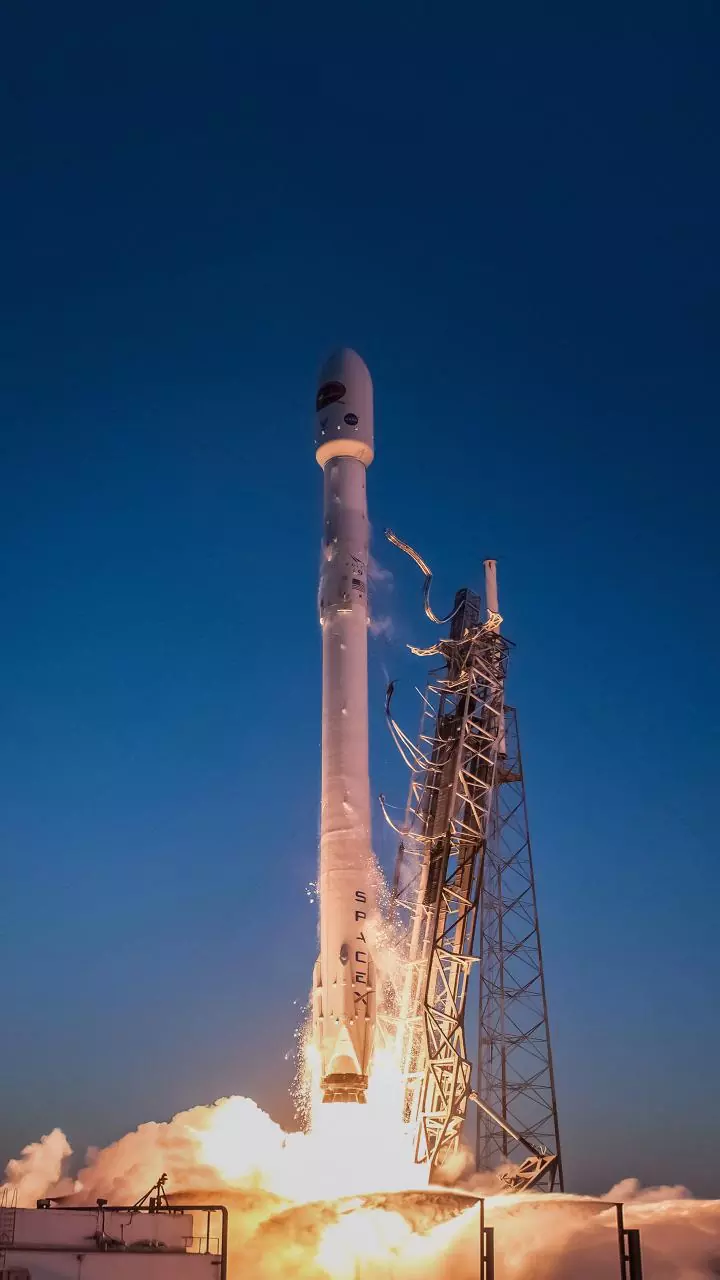
The core of this groundbreaking venture lies in the implementation of Starlink's mini laser terminals. Each of Starcloud's satellites will be equipped with two of these advanced terminals. The primary function of these lasers is to create direct optical links between the Starcloud satellites and the existing Starlink constellation. This means data can travel using light beams, eliminating the bottleneck and bandwidth constraints often associated with traditional ground stations. SpaceX has been a pioneer in this field, demonstrating its capacity to transmit data at speeds up to 200 Gbps between its own Starlink satellites since 2021. Furthermore, SpaceX has shared this mini laser system with third-party companies, capable of transmitting data at up to 25 Gbps across distances of 4,000 kilometers. Starcloud's CEO, Phillip Johnston, has emphasized the importance of this laser mesh, calling it the 'connective tissue' of their orbital data center architecture, highlighting its critical role in enabling their ambitious plans.
Future Orbital Infrastructure
Starcloud has a long-term vision for establishing a substantial presence in orbit. Following the successful deployment and operation of a prototype satellite last year, the company has officially confirmed its adoption of SpaceX's laser technology. The startup is actively working towards operating a cluster of satellites by 2027, with an even more ambitious long-term goal of launching as many as 88,000 satellites. This expansive network aims to create a truly distributed orbital data center. Meanwhile, SpaceX itself is also gearing up to enter the orbital data center market, planning next-generation satellites that will be notably larger than the International Space Station. Their grand aspiration includes managing up to 1 million satellites in Earth's orbit and beyond. However, this ambitious vision faces significant technical challenges. A pivotal question for the future is whether these orbital data centers can eventually surpass ground-based facilities in terms of both cost-effectiveness and energy efficiency. Starcloud's commitment to utilizing the mini laser technology follows similar adoption by other companies, such as Muon Space for climate monitoring satellites and Vast for its upcoming space station. SpaceX is also exploring the use of Starlink for lunar and Martian connectivity.