






The Gut-Brain Link
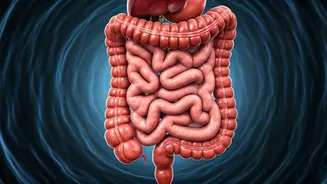
The relationship between a pet's gut and brain is remarkably complex, acting as a two-way street. A healthy gut contains a diverse community of beneficial
bacteria, which produce vital neurotransmitters that greatly influence mood. Any disruption in this delicate balance, such as an overgrowth of harmful bacteria or inflammation, can have profound effects on behavior. These changes can manifest as increased anxiety, irritability, or even aggression. Just like humans, pets' brains are significantly impacted by what's happening in their digestive systems. Consequently, maintaining a balanced gut microbiome is crucial for overall well-being, influencing everything from emotional stability to cognitive function. Recognizing the signs of imbalance allows proactive intervention to restore harmony.
Early Warning Signs
Identifying subtle behavioral changes is essential for early intervention. Look out for changes in appetite, such as a sudden loss of interest in food or increased hunger. Digestive issues, including chronic vomiting, diarrhea, or constipation, are also critical indicators. Additionally, pay attention to shifts in your pet's temperament. Increased irritability, anxiety, or aggression could be signs of underlying gut problems. Lethargy or reduced playfulness, alongside changes in sleep patterns, can also point to a digestive imbalance. If you observe any of these symptoms, consult your veterinarian promptly. Early diagnosis and treatment are crucial to prevent the progression of the condition and restore your pet's well-being. Keeping a detailed record of observations is important for the veterinarian.
Dietary Adjustments Needed
Diet plays a crucial role in gut health. Consider the ingredients in your pet's food. High-quality, easily digestible food is key. Processed foods can contain additives that disrupt the gut microbiome, making the situation worse. Introduce a diet rich in fiber, which can promote healthy digestion. Fiber supports the growth of beneficial gut bacteria, leading to a more balanced gut environment. Consider consulting your vet about the right diet for your pet. In some cases, a vet may recommend a diet that excludes common allergens, such as grains or certain proteins, which can cause inflammation. The dietary adjustments, in conjunction with other interventions, are designed to address the root causes of behavioral changes and encourage the return of a healthy gut.
Probiotics: Gut Allies
Probiotics are live microorganisms that offer numerous health benefits, particularly for the gut. These 'good' bacteria can help restore balance and reduce inflammation in the digestive system. When choosing a probiotic supplement, consider strains known to benefit pets. Common choices include species such as Lactobacillus or Bifidobacterium. Always consult with your veterinarian before giving any new supplement to your pet. They can guide you on the proper dosage and ensure the probiotic is safe and suitable for your pet's specific needs and condition. Probiotics are most effective when used alongside dietary and lifestyle adjustments. They offer a powerful approach to supporting gut health and enhancing behavioral well-being.
Daily Routine Importance
Creating a consistent daily routine can reduce stress and promote a healthy gut. Regular meal times are essential; unpredictable feeding schedules can disrupt digestion. Ensure your pet gets enough exercise, as physical activity helps regulate bowel function and reduces stress. Provide a calm and comfortable environment. A stable routine reduces anxiety, contributing to overall health. It also allows for easier observation of behavioral changes. A predictable routine provides consistency, which is vital for reducing stress and supporting overall health. Together, diet, probiotics, and routine establish a comprehensive approach to improve your pet’s gut health.