





Conquer Big Items
Washing large household items like blankets and comforters can seem daunting, but experts assure it's manageable. For bulky blankets, ensure your washing
machine can accommodate their size without overstuffing, which can lead to poor cleaning and potential damage. Similar caution applies to comforters; while many are machine-washable, checking the care label is paramount. If your machine is too small, consider using a laundromat's larger capacity machines. When washing pillows, focus on maintaining their loftiness. Use a gentle cycle and a mild detergent. For both blankets and pillows, a second rinse cycle can help remove all detergent residue, preventing stiffness. Drying these items effectively is also crucial; a good tumble dry on a low heat setting, potentially with dryer balls to aid fluffing, is often recommended. Avoiding common mistakes like overwashing or using harsh chemicals is key to keeping these items in good condition all winter long.
Dryer Secrets Unveiled
Optimizing your dryer settings can significantly impact your laundry's outcome and your energy bills. One often overlooked yet highly effective setting is 'air fluff' or 'no heat.' This cycle is perfect for refreshing clothes that aren't dirty but need a quick revitalization, like removing static cling or light odors without excessive heat. This saves energy and reduces wear on fabrics. Additionally, understanding what a presoak cycle actually does can lead to more efficient laundry loads. Presoaking allows water and detergent to penetrate stubborn stains and heavily soiled areas before the main wash cycle begins, meaning your regular wash can be shorter or less intense, saving time and energy while achieving better results, especially for items like gym clothes or heavily worn linens.
Folding & Fabric Care
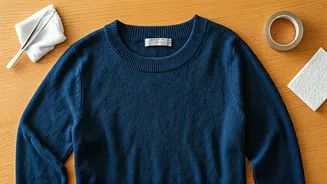
Tired of tedious laundry chores? Several clever tricks can make folding faster and less annoying. Implementing a system, such as folding items as you take them out of the dryer or grouping similar items together, can streamline the process. For stubborn creases, a surprising hack involves using a pool noodle; place it inside a shirt or pant leg before drying, or use it to hold garments taut during ironing. Tackling lint on dark clothes is another common challenge. A lint roller is standard, but a damp microfiber cloth or a piece of packing tape can also effectively lift away fuzz and fibers, restoring your garments' pristine appearance. For those wondering about face towels, pros advise washing them after every couple of uses to prevent bacterial buildup, which can lead to skin issues. Proper drying, even in winter, is essential for hygiene.
Wash Cycles & Materials
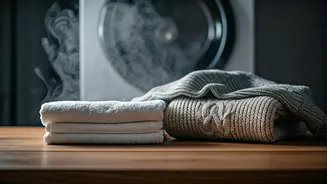
Understanding the truth about wash cycles is fundamental to effective laundry. Different cycles are designed for specific fabric types and soil levels, and using the wrong one can damage clothes or lead to incomplete cleaning. For instance, a delicate cycle is essential for fine fabrics, while a heavy-duty cycle is better suited for durable items. Oxygen bleach is a versatile laundry additive that brightens colors and removes stains without the harshness of chlorine bleach, making it suitable for most fabrics. When it comes to winter knits, you don't need to wash them after every wear. Experts suggest washing them every 4-6 wears, depending on use, to preserve their shape and texture. Similarly, flannel sheets have a sweet spot for washing; frequent washing can degrade their softness, so follow expert recommendations for optimal care. Avoiding sheets balling up in the dryer can be achieved by using dryer balls and not overloading the machine, ensuring even drying.
Machine Maintenance & Reuse
Ensuring your washing machine runs efficiently involves more than just selecting the right cycle. Discovering the secret place in your washing machine where lost socks often hide – typically the rubber seal around the door or the drum – can help you reunite pairs. Troubleshooting common washing machine problems, like a Whirlpool washer acting up, involves checking simple fixes before calling for service. Even dryer lint offers a surprising second life; instead of tossing it, reuse it for various purposes around the house, such as stuffing for crafts, tinder for fire starters, or even as a compost additive. Similarly, old candle jars can be repurposed for storage, organizing small items, or as decorative holders, contributing to a more sustainable household approach.