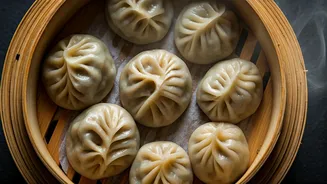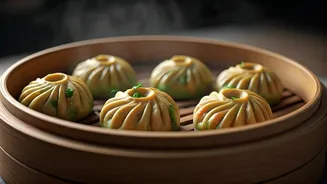


A New Momo Approach
Momos are universally loved, but their preparation, particularly the dough kneading and shaping, can be daunting for home cooks. Imagine enjoying soft,
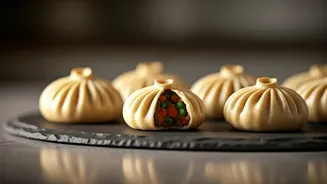
delectable momos without any refined flour (maida) or the traditional dough-making hassle. This innovative recipe bypasses these traditional steps, significantly cutting down preparation time and resulting in a lighter, healthier dish. The outcome is a batch of incredibly flavorful, melt-in-your-mouth momos that are surprisingly simple to assemble. This unique method was brought to light by Masterchef Neha Deepak Shah through her popular Instagram channel, offering a refreshing twist on a beloved snack.
Healthier Ingredient Swap
The core difference in these no-maida momos lies in their construction: they entirely omit refined flour and the traditional dough. Instead, the outer casing is ingeniously crafted from a wholesome mixture of vegetables and paneer. This substitution not only streamlines the cooking process but also imparts a delightfully soft and light texture, all while preserving the comforting flavors expected from authentic momos. This approach makes them a more accessible and digestible option for many.
Diet-Friendly Delight
Indeed, no-maida momos present a considerably healthier alternative to their conventional counterparts, primarily by eliminating refined flour and incorporating nutrient-dense ingredients like fresh vegetables and paneer. Their lighter composition makes them easier on the digestive system. Especially when prepared using steaming or boiling methods, they tend to be lower in caloric content. Consequently, these momos can serve as a beneficial component of a balanced diet focused on weight management, provided they are consumed in mindful portions and prepared with minimal added oil.
Simple Home Preparation Steps
To begin crafting these unique momos, finely chop carrots and cabbage, then mix them with a pinch of salt in a bowl, allowing them to rest for a short period. Subsequently, place this vegetable mixture into a muslin cloth and meticulously squeeze out all excess moisture. Transfer the squeezed vegetables back into a clean bowl and incorporate crumbled paneer, finely chopped coriander leaves, grated ginger, minced garlic, chopped green chilies, salt, pepper, and chili flakes. Mix these ingredients thoroughly to create the filling. Take a small portion of this mixture, flatten it into a disc shape in your palm, place a small cheese cube in the center, and carefully seal it into a ball. For the coating, roll these balls first in rice flour, then briefly dip them in water, and repeat the rice flour coating. Finally, cook these coated balls in boiling water for approximately 3 to 6 minutes until they are perfectly done. Serve immediately while hot.
Coating Alternatives Explained
While rice flour is recommended for coating, you can substitute it with maida (all-purpose flour). However, be aware that this substitution will alter the final texture of the momos. Rice flour typically yields a light and subtly crisp exterior, whereas maida tends to create a coating that is a bit heavier and softer. If you opt for maida, ensure you apply a very thin layer to prevent the momos from becoming dense. For optimal results and the desired texture, rice flour remains the preferred choice in this recipe.
Cheese Choices & Options
Processed cheese or mozzarella are excellent choices for the filling, as they melt beautifully to create a wonderfully soft and gooey center. Cheddar cheese can also be used if you prefer a slightly more pronounced, sharper flavor profile. If cheese is unavailable or you wish to omit it, the momos will still be delicious, but you will miss the delightful creamy texture and the rich, satisfying bite that cheese contributes to the overall experience.
Mastering Momo Perfection
To ensure your momos turn out perfectly, focus on achieving a firm texture by shaping the balls compactly; this prevents them from disintegrating during cooking. Crucially, always introduce the momo balls into vigorously boiling water, as adding them to lukewarm or simmering water can cause them to break apart. During the cooking process, handle the momos with care. Minimize stirring once they are in the water, as excessive movement can make them fragile and lead to breakage. Following these tips will help you achieve consistently excellent results.