




Coconut Oil Companion
Coconut oil is the perfect partner for castor oil, acting as a lighter base that ensures even penetration into the hair shaft. Its unique ability to enter
the hair structure, rather than just coating it, minimizes protein loss and combats breakage, which is often mistaken for slow growth. Hair typically grows at a consistent rate, but maintaining strand integrity is key to achieving length. A simple one-to-two ratio of castor oil to coconut oil creates a blend that is smoother, easier to apply, and washes out effortlessly, making it an excellent choice for dry, rough, or heat-damaged hair.
Almond Oil's Gentle Touch
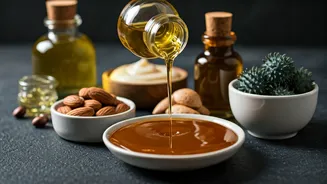
Often overlooked, almond oil is a favorite among beauty aficionados for its lightweight texture, abundant vitamin E content, and soothing properties for the scalp. For centuries, various cultures have relied on almond oil to enrich hair and enhance its texture. When combined with castor oil, it softens the overall consistency, transforming the blend into a silky treatment rather than a heavy mask. This combination effectively reduces breakage, imparts softness and shine, and significantly improves manageability, making it a fantastic solution for tangled or dull hair. It’s also an exceptionally user-friendly blend for those new to oiling their hair.
Rosemary Oil's Potency
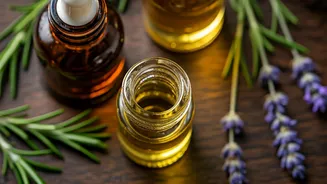
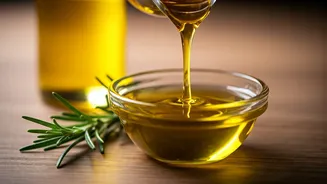
Rosemary oil stands out due to scientific research supporting its potential to improve hair growth conditions, with studies indicating it can enhance hair density, thickness, and reduce hair fall over time. However, due to its potent nature, rosemary oil should never be used alone. Instead, a few drops of rosemary essential oil can be added to a castor oil mixture. The castor oil provides essential moisture and protection, while the rosemary oil stimulates blood circulation around the hair follicles. This creates a well-balanced treatment, often described by beauty editors as the closest natural equivalent to a scalp therapy. It is crucial to remember that only a small quantity of rosemary oil is needed, as more does not equate to better results.
Argan Oil's Golden Glow
Dubbed 'liquid gold,' argan oil is a powerhouse of antioxidants and fatty acids that smooth the hair cuticle, lending an immediate glossy and healthier appearance. While castor oil offers deep moisturization, argan oil contributes unparalleled softness and movement to the hair. Together, they create a sophisticated, salon-quality finish that makes hair look and feel luxurious without the salon visit. This blend is particularly beneficial for hair prone to frizz, color-treated or chemically processed hair, and for individuals who dislike heavy, greasy oiling routines, leaving the hair feeling nourished yet surprisingly light and pleasant-smelling.
Jojoba Oil's Scalp Balance
Jojoba oil is unique as it's technically a liquid wax, closely mimicking the scalp's natural sebum production. This inherent similarity allows the scalp to readily accept it. When blended with castor oil, jojoba oil helps prevent product buildup and maintains scalp equilibrium, ensuring it's neither excessively oily nor too dry. A healthy scalp is foundational for robust hair growth; blocked or inflamed follicles can hinder hair development regardless of topical treatments. Jojoba oil aids in soothing itchy scalps, regulating excess oil, and enhancing overall scalp comfort, making it an ideal choice for those with oily roots and dry ends.
The Ritual of Oiling
The act of oiling hair offers a calming ritual, encouraging a mindful pause for self-care. This timeless practice endures amidst fleeting beauty trends and expensive product launches. Castor oil functions best as a foundational element, rather than a standalone miracle solution. When combined with complementary oils, it becomes integral to a routine that gradually, naturally, and sustainably strengthens hair. Instead of applying pure castor oil, mixing it with other beneficial oils, massaging it in consistently, yields significant results over several weeks. The outcome is stronger strands, a calmer scalp, and hair that feels fundamentally healthier, rather than overnight transformations.
Correct Application Method
A common pitfall is using too much castor oil due to its dense consistency. Experts advise that castor oil should constitute a smaller portion of your hair oil blend. An effective and simple ratio involves one tablespoon of castor oil mixed with two tablespoons of a carrier oil, such as coconut, almond, jojoba, or argan oil. Optionally, you can add 3-5 drops of rosemary oil for added benefits. Gently warm the mixture between your palms before application; warm oil distributes more easily and enhances the relaxing sensation during scalp massage.
Scalp Massage & Hair Growth
Effective hair oiling extends beyond simply coating the hair strands; the true advantage lies in the scalp massage. Using your fingertips, not nails, gently massage the scalp for five minutes. This process stimulates blood circulation, ensuring the oils are distributed evenly throughout the scalp. Allow the oil mixture to remain on for at least 30 minutes, or overnight if your scalp tolerates it well. Shampoo gently afterwards, possibly requiring two washes to thoroughly remove heavier oils. A frequency of two to three times per week is generally sufficient; excessive application can lead to product buildup rather than desired benefits. It's important to understand that no oil can drastically accelerate hair growth speed. Castor oil improves hydration, reduces breakage, and protects strands, leading to hair that appears fuller and longer over time. Healthy hair growth is a result of a healthy scalp and strong strands, not just rapid growth.