






Understanding Introvert Energy
Introverts draw energy from within and often prefer solitary activities or small, intimate gatherings over large social events. This fundamental difference
in how they recharge significantly impacts their motivational triggers. Unlike extroverts who might seek external stimulation, an introvert's drive often stems from internal reflection and deep engagement with their thoughts and personal interests. Experts in psychology note that introverts excel at introspection and profound contemplation, which can be powerful catalysts for motivation. This means their energy and drive are frequently fueled by solitary pursuits, creative projects, or thoughtful analysis rather than external validation or the buzz of group dynamics.
The Science of Dopamine
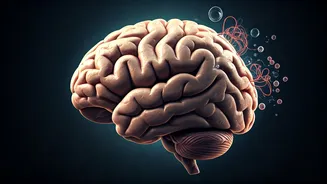
The neurological underpinnings of introvert motivation reveal a fascinating interplay with dopamine, the brain's reward chemical. Research indicates that introverts possess a heightened sensitivity to dopamine. Consequently, they can become overstimulated by excessive external stimuli, leading them to seek out less intense, more internally rewarding activities. This sensitivity guides them toward pursuits that offer a sense of accomplishment and fulfillment without overwhelming their system. Furthermore, studies show increased blood flow in the frontal lobes of introverts' brains, areas critical for complex cognitive functions like planning, problem-solving, and memory recall. This physiological characteristic underscores their natural inclination towards deep thought and strategic thinking, which are intrinsically motivating for them.
Introvert Success Stories
The world has been profoundly shaped by introverts who have harnessed their innate qualities to achieve remarkable success. Figures like Albert Einstein, J.K. Rowling, and Bill Gates exemplify how introversion can be a powerful asset. Einstein famously found inspiration in solitude, stating that "The monotony and solitude of a quiet life stimulates the creative mind." This highlights his reliance on peaceful reflection for innovation. J.K. Rowling credits her alone time for allowing her to immerse herself in the rich, imaginative worlds that became the Harry Potter series, fueling her writing process. Bill Gates, a voracious reader, attributes his success to dedicating quiet time for learning and understanding, emphasizing, "I read an awful lot." These individuals demonstrate that embracing one's introverted nature, focusing on deep thought, solitude, and personal learning, can lead to extraordinary achievements.
Cultivating Your Drive
Introverts can cultivate their motivation by strategically leveraging their natural tendencies. Firstly, establishing a dedicated quiet workspace is paramount, minimizing distractions and fostering a conducive environment for deep concentration. Secondly, setting clear, personal goals aligned with intrinsic interests is crucial; breaking these down into smaller, manageable steps can provide a consistent sense of progress. Thirdly, introverts should embrace their strengths in creativity and problem-solving by engaging in activities that demand these skills, such as writing or complex analytical tasks. Fourthly, intentionally scheduling downtime is vital for energy replenishment, preventing burnout and sustaining motivation. Finally, incorporating mindfulness practices like meditation or journaling allows for self-reflection, helping to maintain focus and reinforce their inner drive.
Sustaining Your Motivation
Maintaining motivation as an introvert involves a conscious effort to nurture your unique needs and strengths. By consistently creating tranquil environments, setting personal objectives, and capitalizing on your inherent analytical and creative abilities, you can build a robust motivational framework. The importance of balancing focused work with ample restorative alone time cannot be overstated; regular breaks are essential for preventing fatigue and preserving your drive. Furthermore, engaging in reflective practices such as meditation or journaling can solidify your focus and reconnect you with your core motivations. Ultimately, recognizing and celebrating your capacity for deep thought and independent work is key to unlocking sustained motivation that aligns with your introverted nature.