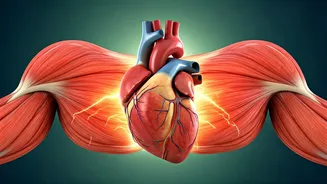








Metabolism: More Than a Buzzword
Metabolism is a fundamental bodily process, encompassing all the chemical reactions that enable your body to sustain life by converting food into energy.
It's the engine that drives everything from breathing and cell repair to physical activity and calorie expenditure. In wellness conversations, metabolism is often linked directly to weight management because a more efficient metabolic rate means your body is better at burning calories. When this process appears to decelerate, many people notice an accumulation of fat and challenges in maintaining a healthy weight, leading to the common assumption that aging is the primary cause for this decline.
Beyond Age: Key Drivers
While the passage of time does play a minor role, a prominent cardiologist points out that age is frequently misidentified as the sole or even primary reason for a sluggish metabolism. The doctor emphasizes that two critical factors are far more influential: a reduction in physical activity and a decrease in lean muscle mass. As individuals age, their inclination or ability to engage in regular exercise often diminishes. Coupled with the natural tendency for muscle tissue to decline over the years, these lifestyle changes significantly impact the body's capacity to burn calories. This decline in activity can stem from various reasons, including work demands, personal preferences, or even physical limitations, all of which can shift exercise down the priority list and, consequently, affect metabolic function.
Maintaining Metabolic Health
To preserve a robust metabolism over the years, the cardiologist strongly advises a two-pronged approach: consistent physical activity and dedicated efforts to maintain or build muscle mass. Staying active doesn't necessarily mean grueling gym sessions; it encompasses integrating movement into your daily routine. Simple actions like regular walking, opting for stairs instead of elevators, and gentle stretching after meals can contribute significantly to an active lifestyle. Moreover, research supports the vital role of muscle. Studies, including one from 2011, indicate that strength training can effectively combat age-related muscle loss, thereby supporting metabolic function. Another 2019 study in the Journal of Strength and Conditioning Research further validates the safety and efficacy of resistance training for healthy older adults, provided it's well-designed with proper technique and guidance, recommending 2-3 weekly sessions targeting major muscle groups at moderate to high intensity.