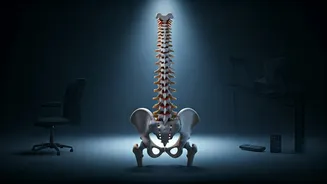






The Sedentary Spine Epidemic
Medical professionals are increasingly observing a surge in spinal discomfort and ailments across all age demographics, with contemporary lifestyles identified
as a primary instigator. The pervasive nature of prolonged sitting, whether for work or leisure, coupled with a general reduction in physical activity, creates a static environment that our spines are not evolutionarily designed for. This lack of dynamic engagement leads to a gradual loss of flexibility and strength in the spinal structures. The spine, a complex arrangement of bones, joints, discs, muscles, and ligaments, thrives on movement. When subjected to extended periods of inactivity, the supporting muscles and connective tissues begin to weaken, diminishing their ability to support and protect the spinal column. This biological principle, often summarized as 'disuse leads to atrophy,' means that the less we move, the weaker our spinal support system becomes, increasing susceptibility to various issues. Historically, daily chores and activities naturally involved bending, twisting, and lifting, which inherently contributed to maintaining the tone and health of back muscles. The modern shift towards digital interfaces and desk-bound work has inadvertently stripped away these beneficial movements, leaving our spines vulnerable.
Sitting's Silent Toll
Prolonged sitting stands out as a major contributor to spinal stress in today's world. When we remain seated for extended durations, whether engaged in professional duties or personal pastimes, the spine endures continuous strain. This static posture leads to an imbalance where certain muscle groups become excessively fatigued, while others remain largely inactive, disrupting the natural rhythm of muscular function and rest. This chronic imbalance can pave the way for a host of spinal problems. Experts note a significant rise in debilitating conditions like persistent back pain and sciatica, a nerve compression issue, directly linked to sedentary lifestyles. These conditions often develop insidiously, and the lack of physical activity exacerbates their progression and complexity. The very structure of our spine, designed for a variety of movements, is compromised when subjected to prolonged static positions. The resulting strain can lead to inflammation, nerve impingement, and degenerative changes over time, highlighting the critical need to address prolonged sitting as a significant health risk.
Simple Steps to Spinal Health
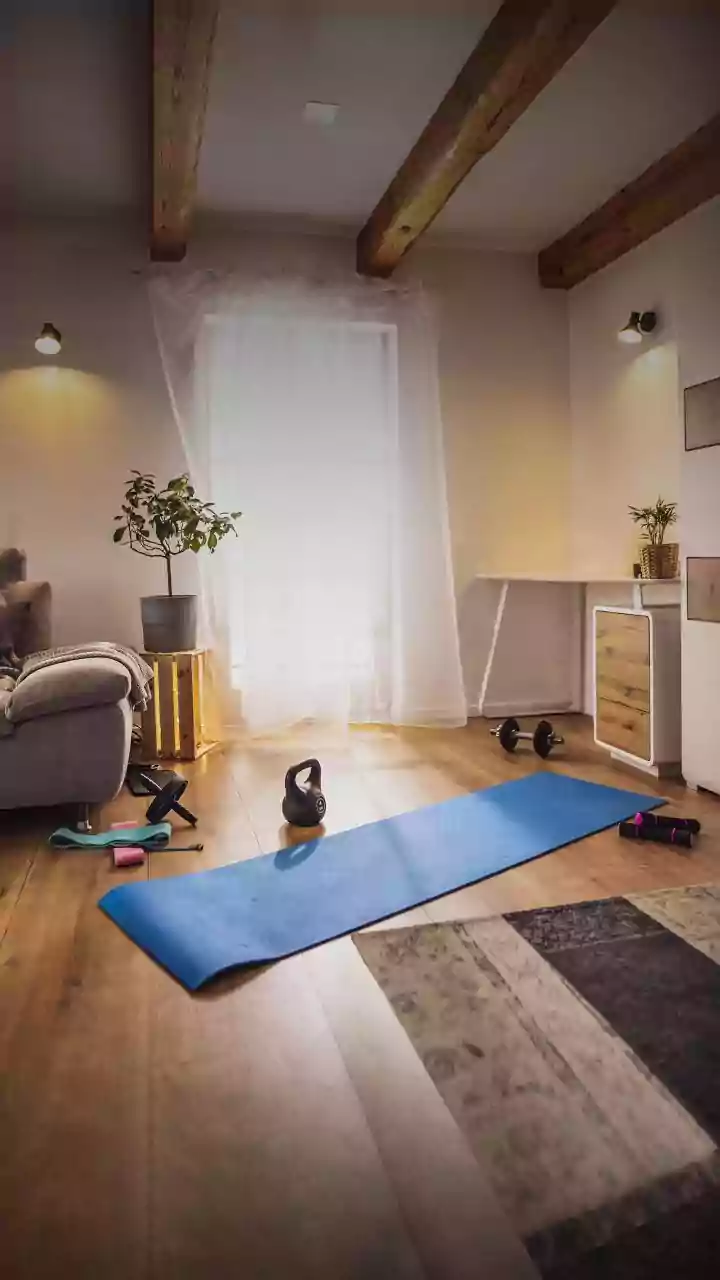
Fortunately, safeguarding your spine doesn't necessitate undertaking arduous exercise regimens. Medical practitioners emphasize that incorporating simple, conscious lifestyle adjustments can significantly enhance spinal well-being. Key among these is the practice of taking frequent movement breaks during periods of prolonged sitting. This involves standing up, walking around, or performing gentle stretches to counteract the negative effects of immobility. It's also crucial to maintain proper posture while working, ensuring your spine is adequately supported. Integrating activities like walking or other forms of exercise into your daily routine is highly beneficial. Furthermore, gradually engaging in exercises that strengthen your back and core muscles provides essential support for the spinal column. Limiting extended periods of screen time without taking breaks is another vital practice. By actively seeking opportunities to move more and sit less, you directly counter the detrimental effects of a sedentary lifestyle, aligning your daily activities with your body's inherent need for motion and maintaining the flexibility and strength crucial for spinal health. Your spine's design intrinsically favors movement, and by embracing these straightforward habits, you can protect it from the modern-day pressures it faces.