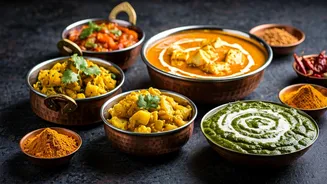







Mirch Masala Delights
Mirch Masala is a classic Indian dish, and when made with shimla mirch, it creates a flavor explosion. The preparation begins by stuffing the capsicums
with a mixture of spiced potatoes, onions, and often, paneer (Indian cheese). The stuffing is flavored with a mix of ginger, garlic, turmeric, coriander, and garam masala. These ingredients deliver a warm, aromatic foundation. The stuffed shimla mirch is then cooked until softened, either in a pan with oil, sometimes with a tad of water to steam them through, or sometimes baked in the oven. The masala can be prepared in various ways: a simple tomato-based gravy, a rich cashew-based sauce, or even a dry version where the capsicums are shallow-fried. Serving this dish alongside roti or paratha enhances the overall dining experience, adding textures and complementing the dish's spicy notes.
Capsicum Vegetable Curry
Vegetable curries incorporating shimla mirch are staples in many Indian households. The basic approach involves sautéing onions, tomatoes, ginger, and garlic, then adding a blend of spices like turmeric, chili powder, coriander powder, and cumin powder. The capsicums are added along with other vegetables, such as potatoes, cauliflower, or peas. This ensures that the capsicums still retain a slight crunch. Coconut milk can be added to make a creamy, rich curry, especially in South Indian-style dishes. Another great option is to add paneer to the vegetable curry, which will boost the protein. The dish is cooked until the vegetables are tender, and the flavors have melded together. Garnish with fresh coriander leaves before serving to add a fresh aroma and visual appeal. Enjoy the curry with rice or roti, for a complete meal.
Shimla Mirch Biryani
Biryani, a rice dish, gets a flavorful twist with the addition of capsicum. This variation introduces colorful vegetables to the traditionally savory and aromatic meal. The preparation often involves preparing the vegetables separately. In a large pot or pan, the rice is parboiled before layering it with sautéed vegetables, capsicums, and often paneer or other protein options. The layering can be straightforward: a bed of vegetables, a layer of rice, another layer of vegetables, and rice on top. The dish can then be cooked in a dum style. This means the pot is sealed, and the biryani is cooked over low heat. The steam from the ingredients cooks the rice fully and infuses it with the flavors. Spices such as saffron, cardamom, and bay leaves contribute to the biryani's fragrant and layered taste. Serve it with raita or a salad to make a complete meal.
Capsicum Stuffed Paratha
Stuffed parathas, an Indian flatbread, provide a unique and delicious way to use shimla mirch. The capsicums are finely chopped and mixed with other vegetables, spices, and occasionally, grated paneer. This mixture is then used as a stuffing for the paratha dough. The dough, usually made from wheat flour, is rolled out, the stuffing is placed inside, and it is sealed to prevent the contents from coming out. The stuffed paratha is then cooked on a griddle with oil or ghee. These oils add flavor and also give the bread a slightly crisp texture. Served hot with curd (yogurt) or pickle, stuffed capsicum parathas can be an appealing choice for breakfast or lunch. This showcases the versatility of shimla mirch and adds a burst of flavor and nutrition to the traditional Indian paratha.
Tandoori Capsicum Preparation
The tandoor, a traditional clay oven, can enhance the flavors of capsicum. When preparing tandoori capsicum, the peppers are often marinated in a mixture of yogurt, ginger-garlic paste, tandoori masala (a spice blend), and other spices. The marination time lets the flavors deeply penetrate. Afterwards, the capsicums are either skewered with other vegetables, such as onions and tomatoes, or grilled directly in the tandoor. The high heat of the tandoor gives the capsicum a slightly charred exterior while keeping its inside tender. This cooking method brings out a smoky taste. The dishes can be served as appetizers or sides and paired with mint chutney and lemon wedges, providing a refreshing contrast to the rich, smoky flavors. The tandoori method transforms the humble capsicum into a gourmet dish.