




Firefly Blue Ghost
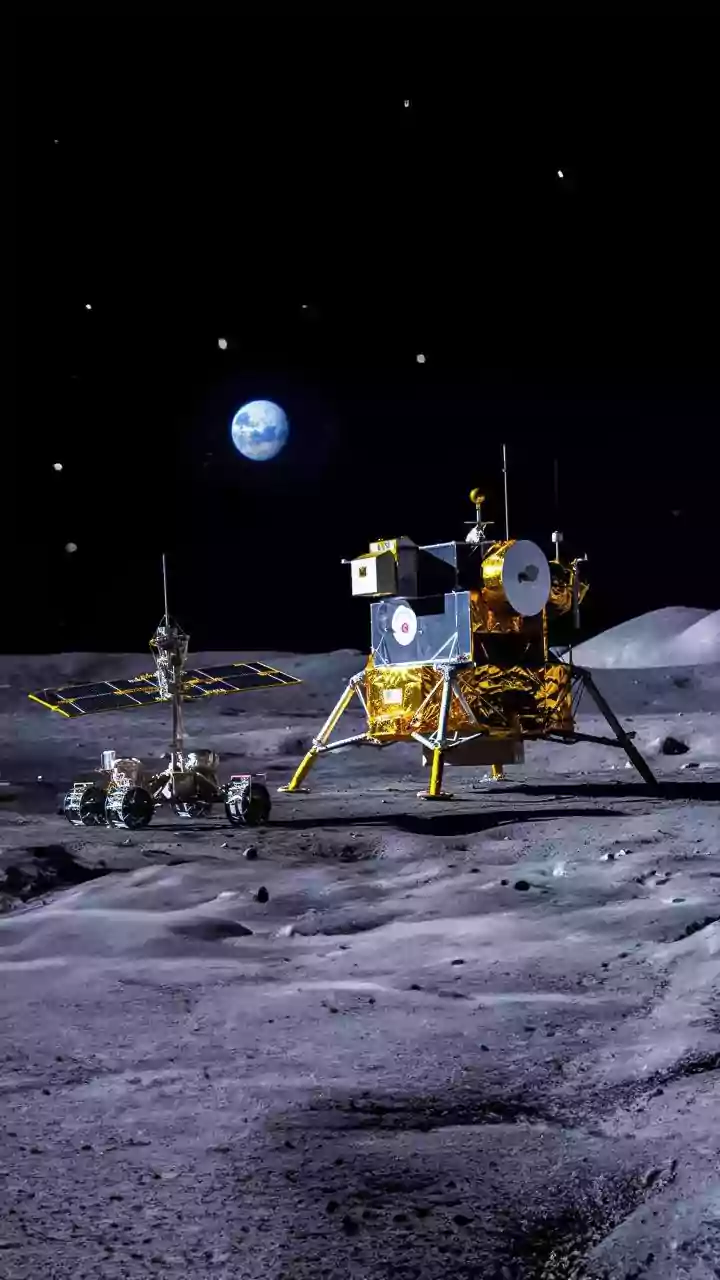
The Firefly Blue Ghost mission, a significant step in space exploration, was one of the recent launches. While the primary goals of this mission weren't
explicitly detailed, it symbolized the continued progress and innovation within the private space sector. Such missions often aim to advance technology, conduct scientific research, and contribute to the expanding capabilities of space exploration, including the establishment of lunar landers. Firefly Aerospace is one of the companies involved in the mission's success. It underscores the ongoing commitment to achieving milestones in space travel and research, thereby laying the groundwork for more ambitious undertakings in the future.
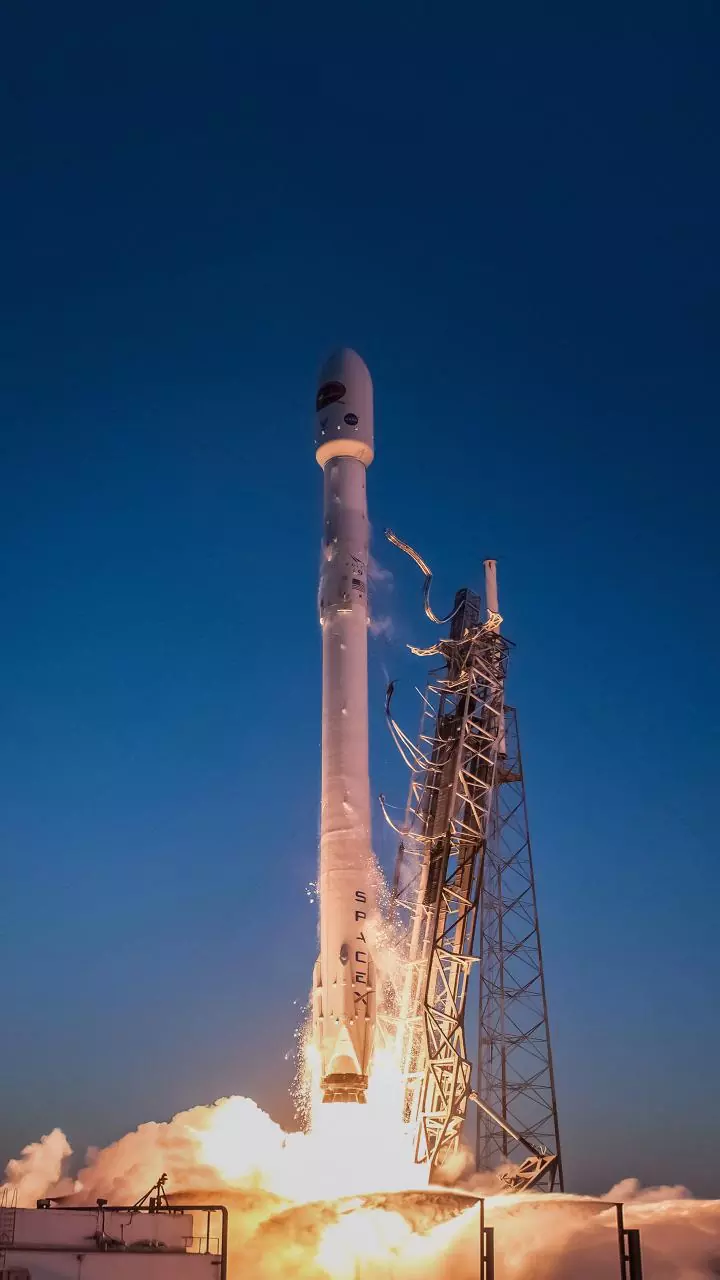
SpaceX Starlink Deployment
SpaceX successfully deployed 29 Starlink satellites into orbit. This launch forms an integral part of SpaceX's ambitious project to create a global internet network via a constellation of satellites. This endeavor aims to provide high-speed internet access to even the most remote areas of the world. The ongoing launches of Starlink satellites increase the constellation's capabilities, broadening its coverage and enhancing its services to users worldwide. The continuous expansion of the Starlink network reflects SpaceX's commitment to revolutionizing global internet connectivity, potentially reshaping how individuals access information and communicate, as well as providing more options to access the internet.
MTG-S1 Mission
The MTG-S1, a satellite mission, also took flight recently. Specifically, the MTG-S1 mission focuses on advanced meteorological applications. The advanced technology aboard MTG-S1 is designed to enhance weather forecasting, climate monitoring, and the understanding of atmospheric dynamics. These improvements are crucial for more accurate weather predictions, providing essential data for environmental research, and enabling timely warnings of severe weather events. The contributions of the MTG-S1 mission will significantly benefit various sectors, including public safety, agriculture, and resource management, by improving our understanding of and ability to cope with climate change.
SXM-10 Launch
The launch of SXM-10 marks an important development for satellite radio services. The primary goal of SXM-10 is to provide improved and expanded satellite radio services to a broader audience. These enhancements will lead to better audio quality, expanded channel lineups, and improved coverage, offering a more enhanced listening experience for subscribers. SXM-10 underlines the continuous efforts to advance satellite radio technology, ensuring reliable and high-quality audio entertainment for listeners. This launch underscores the ongoing commitment to delivering premium audio programming across the nation.
Crew-9 Mission
The Crew-9 mission represents a pivotal step in ongoing international cooperation in space exploration. It signifies a continued partnership and collaborative efforts to maintain the presence of humans in space. Crew-9 is designed to support the International Space Station (ISS) with new personnel, allowing continuous research, experiments, and exploration activities aboard the station. This mission facilitates the conduct of scientific research to understand the effects of long-duration spaceflight on the human body and advance technologies applicable to future space missions. Crew-9 exemplifies the shared global aspiration to deepen our understanding of space and to develop technologies that could prove crucial for future space expeditions.
RRT-1 Mission
The RRT-1 mission represents another crucial undertaking in the landscape of space exploration. Though specific details about its goals are not fully elucidated, the mission's presence indicates sustained investment in different areas of space exploration. Such missions usually encompass cutting-edge scientific investigations, technological demonstrations, or the deployment of advanced surveillance systems. The RRT-1 mission highlights the commitment to advance our knowledge of space and refine the technological tools required to understand and navigate the cosmos. The ongoing presence of missions like RRT-1 also shows the determination of continuous innovation and exploration.