







Market's Rapid Rebound
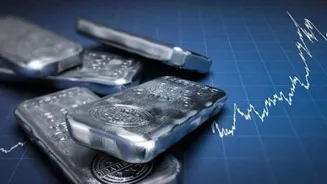
Following a period of decline, gold and silver ETFs have staged a remarkable comeback. Figures indicated that these ETFs saw gains of up to 30% from their
recent lows, reflecting a robust rally in the precious metals market. This rapid recovery has captured the attention of investors, prompting a reevaluation of investment strategies. Several factors have contributed to this upward trend. Increased market volatility, concerns about inflation, and global economic uncertainties are among the key drivers. The performance of these ETFs directly mirrors the fluctuations in gold and silver prices. The attractiveness of precious metals as safe-haven assets during uncertain times further fueled the surge. This situation has positioned ETFs as appealing options for investors seeking to diversify their portfolios and hedge against economic risks. The recent gains highlight the importance of staying informed about market dynamics and adapting investment decisions to current trends.
Weighing Investment Decisions
The decision to invest in gold or silver ETFs depends on individual investment goals, risk tolerance, and the overall market outlook. Investors must consider factors beyond the current market performance. One crucial aspect is the economic climate; global economic indicators, inflation rates, and geopolitical events play a significant role in influencing precious metal prices. A thorough analysis of these factors can provide a clearer picture of potential future movements. Different ETFs, such as the Tata Silver ETF and Groww Gold ETF, offer exposure to these precious metals. Investors should research and compare the specific features, expense ratios, and underlying assets of these ETFs before investing. Diversification is another key element. Adding precious metals to a portfolio can help spread risk and potentially improve overall returns. However, it's essential to allocate a suitable proportion of the portfolio to these assets, based on individual risk profiles. Market volatility necessitates a disciplined approach. Investing in ETFs requires a long-term perspective, coupled with the ability to navigate market fluctuations. Consulting with a financial advisor can also provide personalized guidance, aligning investment decisions with individual financial goals and risk tolerance.
Understanding Gold vs Silver
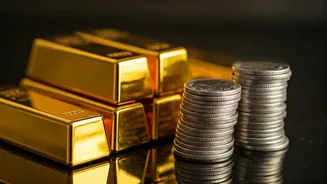
Deciding between gold and silver involves considering their unique characteristics and market dynamics. Gold is often viewed as a safe-haven asset, maintaining its value during economic uncertainties, while silver is influenced by both its investment and industrial applications. This distinction leads to different price behaviors. Gold tends to be more stable, serving as a reliable store of value, while silver can experience greater price swings due to its industrial demand. Silver's price can be highly affected by industrial production and technological advancements. Its uses in electronics, solar panels, and other industries drive demand. Both metals offer opportunities for portfolio diversification, but investors should understand the nuances of each. Factors affecting gold prices include global economic stability, inflation expectations, and currency fluctuations. Silver is impacted by industrial production levels, technological innovation, and investment demand. Evaluating the correlation between these metals and other asset classes can help with portfolio construction. Investment decisions require a deep understanding of these elements. Investors need to make informed choices based on a comprehensive understanding of the markets and the assets.