





Journey into Underground Realms
Delve into the subterranean marvels surrounding Chattanooga, a city renowned for its proximity to the Appalachian Mountains and its designation as the first
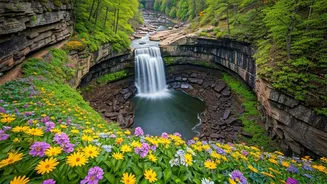
National Park City in the US. The Raccoon Mountain Caverns offer an awe-inspiring introduction, just a short drive from downtown. Within these extensive rock tunnels, guides like Timothy Alva lead explorers through landscapes shaped by time and the slow drip of water, revealing formations that resemble otherworldly sculptures. The sheer abundance of cave ecosystems in Tennessee, with thousands within an hour's drive of Chattanooga, underscores the region's geological significance. These underground labyrinths are not only visually striking but also a testament to the dynamic geological processes at play. Some caves even bear evocative names, hinting at the challenging yet rewarding experiences they offer, and have even served as places of profound personal revelation, such as the experience of Johnny Cash in Nickajack Cave, which profoundly impacted his life.
Chattanooga's Green Transformation
Chattanooga's evolution into a National Park City is a story of remarkable environmental transformation. Once a heavily industrialized city choked by smog from coke foundries and chemical factories, it was once declared the dirtiest in the country. This stark reality spurred a significant shift, driven by community initiatives and a commitment to sustainability. The introduction of measures like pollinator gardens and floating litter barriers on local creeks marked the beginning of its recovery. Today, the city embraces its natural surroundings, with the Tennessee River serving as a central artery for recreation. The National Park City Foundation supports this vision, fostering a global movement that integrates urban living with nature preservation. This grassroots effort, embraced by local governments and driven by community partnerships, aims to apply national park principles to an urban setting, making outdoor access a priority for all residents.
Adventures Amidst Appalachian Peaks
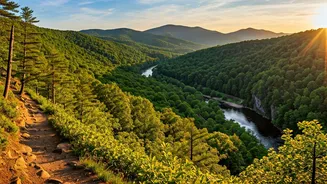
The allure of the Appalachian Mountains beckons hikers and nature enthusiasts to Chattanooga, a gateway to breathtaking trails and diverse ecosystems. While the famed Appalachian Trail stretches for 2,190 miles, the sections around Chattanooga offer accessible yet profound experiences. The Great Smoky Mountains National Park, a celebrated portion of this iconic trail, presents a rugged yet rewarding hiking experience, characterized by temperate forests and variable terrain. Visitors can expect unpredictable weather, including sudden downpours, adding to the wild charm of the region. Knowledgeable guides can enhance the journey by identifying local flora, such as old man's beard lichen, broadleaf plantain, and sweet birch, sharing insights into their traditional uses and ecological significance. Reaching summits like Kuwohi offers panoramic views, revealing the vibrant autumnal foliage and underscoring the sacredness of these mountains to Indigenous communities.
Connecting with Solitude and History
Beyond the well-trodden paths of the Great Smoky Mountains National Park, a sense of profound solitude and historical resonance awaits those willing to explore further. Despite millions of annual visitors, only a small percentage venture deep into the mountains, leaving vast tracts of ravines and river trails open for quiet contemplation. Here, remnants of past lives—ghost towns, abandoned logging camps, and weathered farmsteads—stand as silent witnesses to the Cherokee natives, Scots-Irish settlers, and loggers who once inhabited these lands. In places like Cades Cove, where historical structures like pioneer cabins and a white-washed Baptist church stand, one can find unexpected moments of connection. Discovering a neglected upright piano within a church, with an open hymn book, offers a poignant reminder of the human experiences that have unfolded in these natural settings, evoking a sense of communion with both nature and history.