


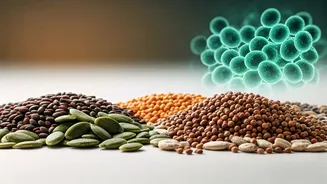


Inflammation: The Silent Threat
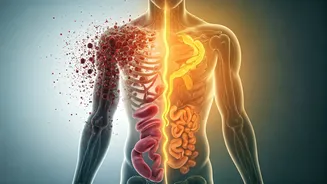
Inflammation, a natural immune response to harm or infection, can become a formidable enemy when it persists over extended periods. This chronic state,
far from being protective, can actively damage healthy tissues, vital organs, and even our DNA. While the internet abounds with quick fixes like supplements and herbal teas, Dr. Jayesh Sharma, a senior cancer surgeon in Raipur with over 25 years of dedicated experience, asserts that these are merely distractions. He powerfully advocates that the genuine solution to managing and preventing chronic inflammation lies not in exotic remedies, but within the familiar confines of our own kitchens and the food we prepare daily.
Your Plate's Anti-Inflammatory Blueprint
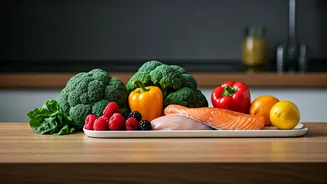
Dr. Sharma outlines a clear dietary framework for effectively combating inflammation, emphasizing a 90/10 principle for daily consumption. The cornerstone of this approach is dedicating approximately 90 percent of your intake to natural, home-cooked meals. Within this substantial portion, a balanced distribution is key: 20 percent should consist of whole grains, providing essential complex carbohydrates. A significant 50 to 55 percent should be allocated to natural fibers and an abundant variety of vegetables, rich in vitamins, minerals, and beneficial phytonutrients. Finally, the remaining 20 to 25 percent should comprise lean proteins, crucial for tissue repair and overall bodily function. The remaining 10 percent is then flexibly divided for snacks and occasional indulgences on special occasions, ensuring a sustainable and enjoyable dietary pattern.
Harnessing Kitchen Staples
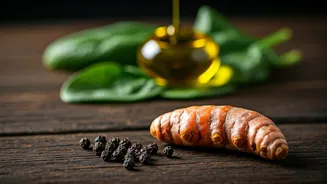
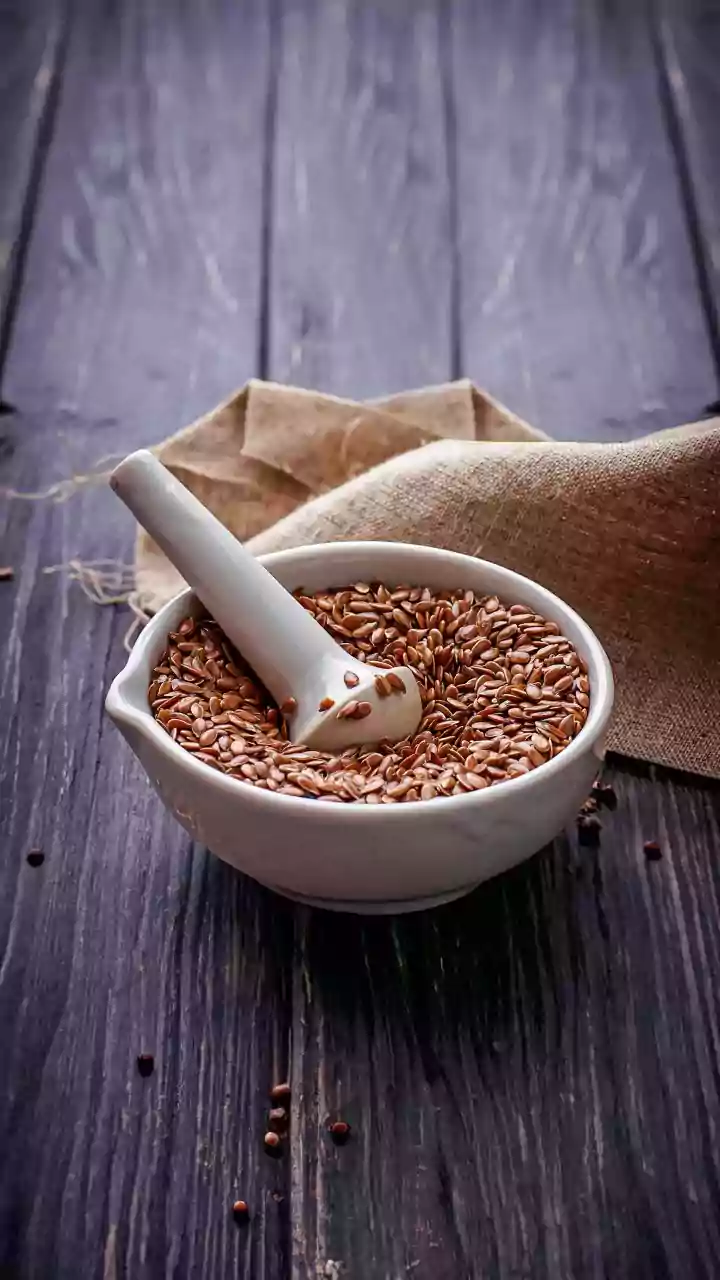
The power to combat inflammation is often readily available in our everyday cooking. Dr. Sharma highlights several common Indian culinary ingredients that possess potent anti-inflammatory properties. Turmeric, known for its active compound curcumin, is a prime example. Methi (fenugreek) seeds, ginger, garlic, and onions are also lauded for their ability to naturally mitigate inflammation within the body. By incorporating these flavorful and beneficial ingredients into regular meals, individuals can actively contribute to reducing systemic inflammation and promoting better health through their culinary choices.
The Fibre Factor
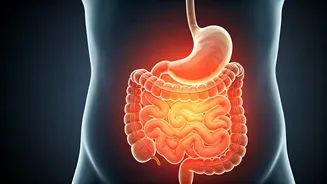
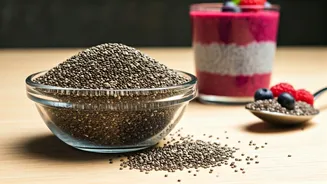
Dietary fibre plays an indispensable role as a protector of the gut, acting as a primary defense against inflammatory processes. Dr. Sharma emphasizes that a deficiency in fibre is a significant catalyst for inflammation. While the traditional Indian diet generally offers a good intake of fibre, it's crucial to remain vigilant. He strongly cautions against the consumption of processed foods, both Indian and Western fast foods, as they are notoriously low in essential dietary fibre. Furthermore, Dr. Sharma warns against the detrimental practice of reheating and reusing cooking oil. This repeated heating degrades the oil, creating inflammatory compounds. To circumvent this issue and minimize waste, he advises reducing the frequency of deep-fried dishes altogether.