





Liver Health's Importance
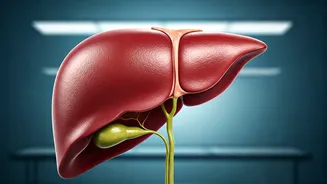
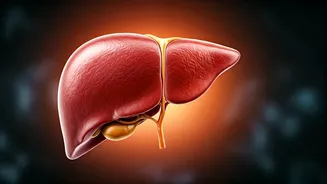
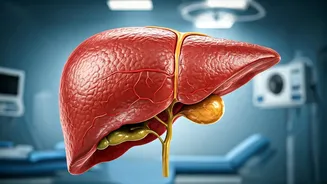
The liver is a vital organ, performing numerous essential functions within the body. It plays a critical role in detoxification, filtering harmful substances
from the bloodstream. Beyond filtering, the liver aids in metabolism, which is the process that converts food into energy, synthesizing proteins, and storing essential vitamins and minerals. The liver is also responsible for producing bile, a digestive fluid vital for breaking down fats. Without a healthy liver, the body cannot function optimally. This makes it crucial to understand how to maintain liver health and prevent potential issues. Addressing liver health is a proactive step towards ensuring overall well-being, enhancing longevity, and improving the quality of life.
Beyond Alcohol Consumption
A common misconception is that liver problems only affect those who consume alcohol excessively. However, a range of factors can compromise liver health. Non-alcoholic fatty liver disease (NAFLD) is a growing concern, impacting individuals who don't drink much alcohol or don't drink at all. NAFLD can be triggered by lifestyle factors such as unhealthy eating habits, including consuming highly processed foods, excess sugar, and saturated fats. Obesity and being overweight also increase the likelihood of developing NAFLD. Metabolic disorders like diabetes and high cholesterol further contribute to liver problems. This emphasizes that liver health is affected by more than just alcohol consumption; it is influenced by many lifestyle and genetic factors.
Hidden Risk Factors
Besides alcohol and dietary habits, certain medications and supplements can also pose risks to liver health. Prolonged use of over-the-counter pain relievers, such as acetaminophen, can lead to liver damage if taken in excessive doses. Supplements, particularly those containing herbal ingredients, can sometimes cause liver injury due to their unregulated nature and potential interactions. Viral infections, like hepatitis A, B, and C, are also significant threats. Many infections can be contracted through contaminated food, water, or blood. Genetic predispositions also play a role; some individuals are genetically more susceptible to liver diseases. Understanding these diverse risk factors can help individuals adopt preventative measures.
Healthy Lifestyle Choices
Adopting a holistic approach to wellness is critical for maintaining liver health. Eating a balanced diet rich in fruits, vegetables, and whole grains is foundational. Limiting processed foods, sugary drinks, and saturated fats is essential. Regular exercise helps maintain a healthy weight and reduces the risk of NAFLD. Staying hydrated and drinking plenty of water supports overall bodily functions, including liver detoxification. It's also important to practice safe medication use, avoiding excessive doses of over-the-counter drugs and being cautious with supplements. Regular health check-ups and screenings can help detect early signs of liver problems, allowing for prompt intervention and treatment. Making these proactive choices allows for maintaining a healthy liver.
Seeking Medical Advice
Recognizing the signs of potential liver issues and promptly seeking medical help is crucial. Symptoms such as fatigue, jaundice (yellowing of the skin and eyes), abdominal pain, and swelling should never be ignored. Consult a doctor immediately if any of these symptoms appear. A doctor can perform various tests, including blood tests and imaging scans, to assess liver function and identify potential issues. Following a doctor's guidance on treatments and lifestyle modifications is essential to prevent disease progression. Early detection and intervention significantly improve the outcomes of liver-related conditions. Taking proactive steps can secure your liver health.