





Saffron's Golden Threads
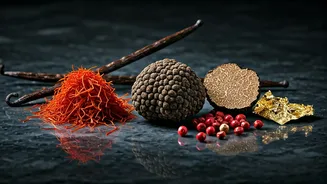
Saffron, renowned as the world's most precious spice, originates from the delicate stigmas of the Crocus sativus flower. Harvesting this vibrant spice is an incredibly
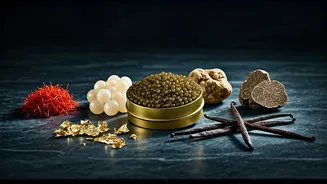
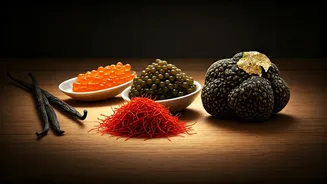
labor-intensive process, as each tiny bloom yields only a few red threads. Farmers must meticulously hand-pick thousands of flowers to gather even a small quantity. This painstaking effort directly contributes to its high cost, with premium saffron fetching prices between ₹400 and ₹1,500 per gram. Its culinary appeal lies in its distinct golden hue, captivating aroma, and a subtle flavor profile that blends floral sweetness with warm, earthy undertones. To maximize its essence in cooking, chefs often begin by steeping the saffron threads in warm liquids, allowing their flavor and color to infuse more effectively into dishes.
Matsutake: Forest's Elusive Gem
In East Asian culinary traditions, particularly in Japan, Matsutake mushrooms are held in high esteem as a prized delicacy. However, their availability is severely limited due to their unique growing requirements. Unlike many cultivated mushrooms, Matsutake possess an inability to thrive in farmed environments; they exclusively grow in the wild, often in proximity to specific species of pine trees that are at least 25 years old. This dependency on mature forests means that foraging for them is a seasonal pursuit that requires significant patience and a touch of serendipity. The annual harvest, especially in Japan, is remarkably small, estimated to be less than a kilotonne, cementing their status as a rare commodity. Beyond their gastronomic value, Matsutake mushrooms hold cultural significance, frequently presented as thoughtful corporate gifts in Japan, underscoring their prestige and esteemed position.
Kopi Luwak's Wild Journey
Kopi Luwak stands out as one of the most talked-about coffees globally, largely due to its extraordinary production story. This unique coffee originates from coffee cherries that have been consumed and processed by the Asian palm civet, a small mammal native to Southeast Asia. Following their passage through the civet's digestive system, the coffee beans are collected, thoroughly cleaned, and then roasted. While the initial concept might seem unconventional, proponents claim this natural process significantly alters the coffee's flavor profile. It is frequently described as exceptionally smooth, with reduced acidity and nuanced notes of chocolate, caramel, and earthy tones. Commercially farmed Kopi Luwak typically ranges from ₹4,500 to ₹9,000 per kilogram, while coffee beans sourced from wild civets can command prices exceeding ₹27,000 per kilogram, reflecting the demand for its distinctive character.
Beluga Caviar's Patient Reward
Beluga caviar, a pinnacle of luxury, is derived from the roe of beluga sturgeon, fish predominantly found in the vast waters of the Caspian Sea. A primary driver of its exorbitant price is the extensive time required for its production. These magnificent sturgeon can take approximately two decades to reach maturity, during which they begin producing the eggs suitable for harvesting. This considerable waiting period naturally restricts the supply available to the market. Consequently, Beluga caviar typically retails between ₹56,000 and ₹85,000 for a 100-gram serving. Furthermore, historical overfishing practices have led to a decline in wild beluga sturgeon populations, adding another layer to its scarcity and value. The eggs themselves are celebrated for their substantial size, melt-in-your-mouth creamy texture, and a delicate, subtly nutty flavor that makes them a true delicacy.
White Alba Truffles: Earth's Treasure
The White Alba truffle, a prized subterranean fungus, flourishes exclusively in the Piedmont region of Italy. These elusive treasures typically grow in association with the root systems of specific trees, including oak, poplar, linden, and hazelnut varieties. Crucially, White Alba truffles cannot be cultivated through agricultural methods; their discovery relies entirely on wild foraging. This quest involves highly skilled hunters who employ trained dogs, and sometimes pigs, to meticulously sniff out these hidden fungi buried beneath the earth's surface. Their extreme rarity and the challenging nature of their retrieval contribute to exceptionally high prices, with White Alba truffles often costing between ₹2 lakh and ₹4 lakh per kilogram, contingent upon the season and the truffle's quality. Esteemed chefs typically shave these truffles paper-thin over dishes just prior to serving, ensuring their potent aroma and delicate flavor are preserved to their fullest extent.