







Initial Launch Overview
The Commercial GTO-1, a significant technological achievement, involved a launch process characterized by its complexity and precision. The mission showcased
the sophisticated engineering that went into its design and execution. The success of the Commercial GTO-1 relied on a multitude of intricate systems working seamlessly together, providing a glimpse into the future of technological capabilities. This launch involved the coordinated efforts of numerous engineers and support personnel, each playing a vital role in the culmination of the mission's ultimate goals. The successful deployment of GTO-1 highlights the importance of innovation and teamwork in achieving ambitious technological endeavors. Its intricacies showcase the potential for future breakthroughs in the field.
Technical Specifications Unpacked
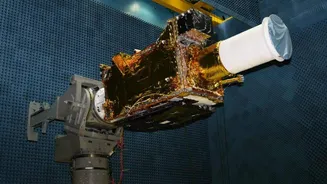
Commercial GTO-1 was a marvel of technological advancement, incorporating cutting-edge systems and advanced engineering. The mission's success was greatly attributed to the integration of these sophisticated technologies. The spacecraft's design was meticulously planned to ensure optimal performance, with each component performing a specific, essential function. Various technical aspects, from propulsion to communication systems, were implemented to enable successful operation in a challenging environment. The technologies employed in Commercial GTO-1 set a new standard for the industry. A deep dive into these specifications reveals the sophisticated nature of this significant launch.
Mission Objectives and Goals
The primary objective of the Commercial GTO-1 mission was to validate new technologies and demonstrate capabilities in space. These objectives were carefully considered, forming the backbone of the mission's framework. The mission's goals encompassed the testing of various systems and operations. The successful fulfillment of these objectives provided valuable data for future missions. The mission was not only crucial for technological advancement but also for the strategic positioning in the space sector. Achieving these objectives was pivotal to the success of Commercial GTO-1, proving the feasibility of the concept and setting the stage for subsequent projects.
Launch Preparation and Execution
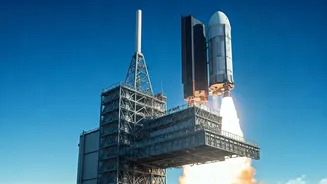
The preparation for Commercial GTO-1 involved rigorous planning, meticulous attention to detail, and comprehensive simulations to minimize any possible risks. Each stage was carefully coordinated to ensure that the process adhered to the highest standards of safety and efficiency. This process included pre-launch testing, quality checks, and final assembly of the spacecraft. The execution of the launch was a seamless operation. The team worked in perfect synchronization to achieve the desired results. All aspects of the launch, from the launch pad setup to the final orbit deployment, were executed with precision and professionalism. This phase was the culmination of numerous hours of work, reflecting the mission team's competence.
Significance and Impact
Commercial GTO-1 is essential for technological advancement. It represents a significant step in the application of space technology. The mission is crucial for future projects and will provide valuable insights into ongoing technology initiatives. The successful launch has the potential to influence various sectors. It will inspire more innovation and future exploration. The impact of the Commercial GTO-1 mission extended beyond its immediate accomplishments, serving as a catalyst for future advancement in the space field.