







Operations Restarting
IndiGo is actively working to re-establish its flight network, with a focus on resuming operations to and from Middle Eastern cities. The airline has initiated
a limited schedule, comprising 17 departures, which equates to 34 flight sectors. These services are particularly vital for maintaining connections between India and crucial Gulf hubs like the UAE, Saudi Arabia, and Oman, areas that are home to a substantial population of Indian expatriates and frequent business travelers. IndiGo has committed to directly informing passengers whose flights were impacted, and travelers are strongly advised to confirm their flight status before heading to the airport to avoid unnecessary journeys.
Europe Routes Restored
In addition to Middle Eastern destinations, IndiGo is also reinstating its flight services to Europe. This reconnection is significant for passengers bound for major European cities, which had experienced temporary disruptions. Earlier in the week, several European routes, including flights to cities such as London, Manchester, and Amsterdam, were suspended. This measure was taken to ensure flights avoided potentially risky airspace over certain parts of the Middle East. The standard flight paths between India and Europe often traverse Middle Eastern air corridors, so when these routes become restricted, airlines are forced into longer, more fuel-intensive detours, increasing travel times and operational expenses. As security assessments improve and risks diminish, airlines are cautiously restarting these routes, while maintaining vigilant monitoring of the regional geopolitical landscape.
Region-Wide Crisis
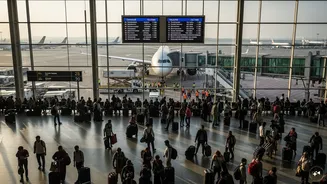
The disruptions affecting IndiGo are symptomatic of a wider aviation challenge that has gripped the Middle East. Following a series of military actions and retaliatory exchanges between Iran and its adversaries, numerous countries temporarily closed or imposed restrictions on their airspace. This led to a cascading effect globally, compelling airlines to cancel flights, reroute aircraft, or halt services altogether. In some instances, flights were diverted mid-air, while others were grounded prior to departure, resulting in thousands of flight cancellations and significant delays. This situation left countless travelers stranded at major transit points across Asia, Europe, and the Gulf region. Prominent airlines such as Air India, Emirates, Etihad, and Qatar Airways also issued advisories and made adjustments to their flight schedules during this critical period.
Gradual Recovery
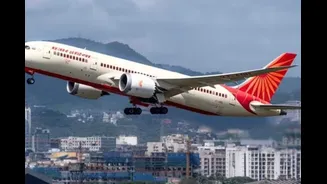
While the geopolitical situation remains dynamic, the aviation sector is witnessing a slow but steady recovery as certain airspace restrictions begin to lift. Leading Gulf carriers, including Etihad Airways and Emirates, have commenced the operation of a limited number of international services. This resumption follows thorough safety assessments and coordination with relevant aviation regulatory bodies. Similarly, Indian carriers, such as Air India and IndiGo, have started to reintroduce flights and adjust their route networks to restore connectivity for passengers who were inconvenienced by the earlier disruptions. In some cases, airlines have gone the extra mile by introducing special flight arrangements and offering flexible booking options to support travelers who found themselves stranded.
Traveler Advice
Aviation authorities and airlines are strongly advising passengers traveling between the UAE and India, as well as those flying to or from Europe, to exercise caution and stay informed. It is imperative to check for the latest updates regularly. Travelers are recommended to confirm their flight status before departing for the airport, keep a close watch on advisories issued by airlines, and be prepared for potentially longer journeys due to possible route adjustments. Additionally, passengers should be aware of and utilize rebooking or refund options if their flights are subject to cancellation. Airlines have cautioned that flight schedules may continue to be subject to change, depending on the evolving geopolitical circumstances. These ongoing disruptions underscore the intricate link between global aviation and regional stability, particularly given the Middle East's critical role as an air travel corridor.