







Restaurant Forced to Close
Gagandeep Singh Sapra, proprietor of the South Delhi establishment 'Tadka Rani', has made the difficult decision to halt all operations. This drastic measure
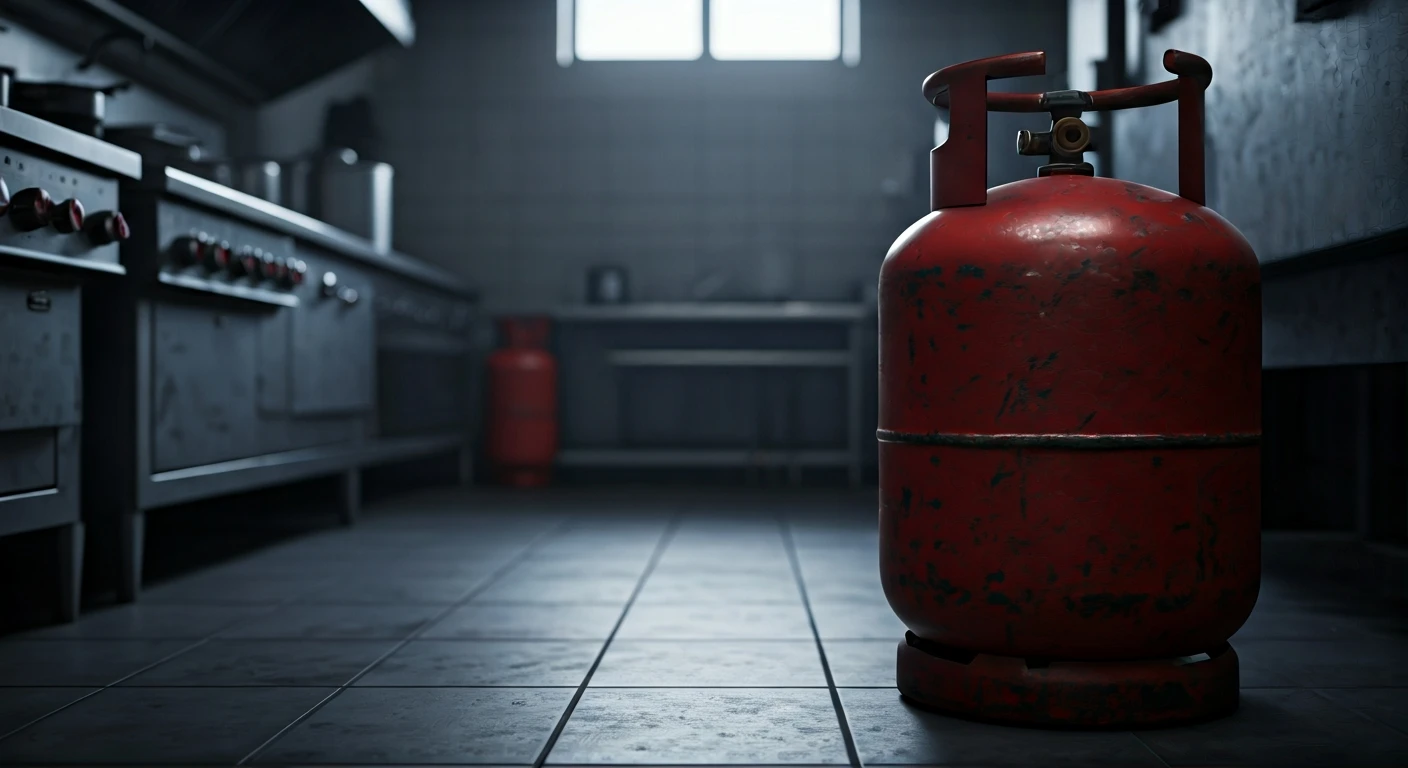
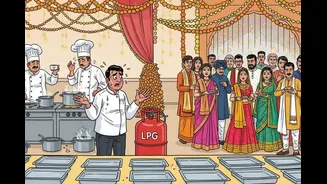
comes as a direct consequence of exhausting his supply of Liquefied Petroleum Gas (LPG). Sapra expressed that there was simply no alternative but to suspend services once his gas reserves depleted. He shared this unfortunate development on social media, lamenting the necessity of closing his kitchen. Furthermore, he mentioned that his other food-related businesses, known as 'The Nashta Company' and 'The Meal Combo Box Company', would continue to serve customers, albeit with a restricted menu, for as long as their remaining gas supply allows. This situation underscores the vulnerability of food businesses to critical supply chain disruptions and the dire impact on their ability to operate and serve the public.
Black Market Rampant
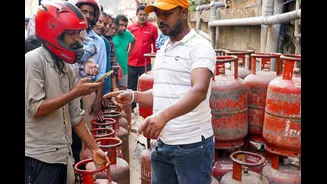
The situation is exacerbated by rampant black marketing of LPG cylinders, according to Sapra. He alleges that unscrupulous traders are exploiting the scarcity, demanding prices upwards of Rs 5,000 for a single cylinder in the unofficial market. This stands in stark contrast to the regulated price of a 19 kg commercial cylinder from Indian Oil Corporation, which is priced at Rs 1,768.50 in the national capital. Sapra's social media post highlighted this disparity, questioning the availability of gas in the black market if there's no official supply for commercial entities. He also raised concerns about potential corruption involving government officials, implying that such illicit trade wouldn't thrive without backing. The restaurant has since been taken offline from food delivery platforms, a painful step for Sapra, who apologized to customers for the inconvenience caused by the 'Closed due to LPG Shortage' status.
Wider Impact and Causes
Sapra's plight has resonated with many, sparking discussions about the broader implications of the LPG shortage. Other restaurant owners have reported having only a few days' stock left, with black marketing becoming increasingly prevalent. This crisis is reportedly linked to escalating geopolitical tensions in West Asia, specifically attacks on Iran by the United States and Israel. These conflicts have disrupted shipping routes, including the Strait of Hormuz, through which over 80% of India's LPG imports transit. In response, the government has invoked emergency powers to boost LPG production and prioritize household consumption. Consequently, commercial users, such as restaurants, street vendors, and auto-rickshaw drivers, are facing severe supply challenges. Many eateries are adapting by reducing their menus, exploring electric alternatives, or cutting operational hours to conserve gas.
Official Denials and Actions
Despite these widespread reports, the Delhi government has officially stated that there is no fuel shortage in the capital. A statement from the Chief Minister's Office has assured residents that supplies of petrol, diesel, and LPG remain stable and urged the public to disregard rumors of scarcity. The government has also pledged strict action against individuals involved in gas theft or black market activities. This official stance contrasts sharply with the experiences of business owners like Sapra, who are grappling with the immediate and severe consequences of the shortage on their livelihoods. The discrepancy highlights a potential disconnect between on-ground realities and official pronouncements, leaving businesses in a precarious situation.