




Late Screen Exposure
The allure of 'just one more' episode or scroll before bed might seem insignificant, but it carries a considerable risk to your cardiovascular system.
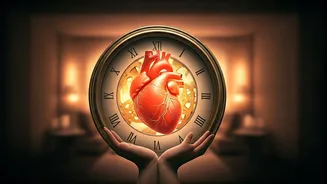
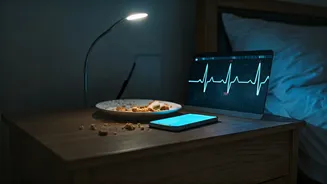
Dr. Sharma points out that consistently adopting 'night-owl' sleep patterns can elevate the likelihood of experiencing a heart attack or stroke by as much as 16%. This isn't surprising when you consider the physiological impact of blue light emitted from screens. This light tricks your brain into believing it's still daytime, actively suppressing the release of melatonin, the hormone crucial for initiating sleep. Consequently, you end up with a shorter and less restorative sleep cycle. The implications for heart health are substantial; nighttime light exposure has been linked to an increase in cardiovascular conditions ranging from 30% to 50%. Your heart thrives on rhythm, and the constant barrage of artificial light in the evening subtly but persistently disrupts this vital internal clock.
Evening Stimulants
That comforting evening cup of coffee or tea, often a ritual to unwind, can harbor a hidden menace for your heart. Caffeine's effects linger far longer than many realize, with the U.S. Food and Drug Administration (FDA) noting it can persist in your system for up to six hours or more. This means a 7 pm coffee could still be actively stimulating your nervous system well past midnight. The stimulation leads to an elevated heart rate and can significantly delay the onset of sleep. The subsequent poor sleep quality then cascades into higher blood pressure the following day, creating a detrimental cycle. The heart, designed to slow down and recover during the night, is kept in a state of heightened alert, never truly getting the chance to rest and repair. This persistent stimulation is a quiet thief of cardiovascular tranquility.
Sodium-Rich Snacks
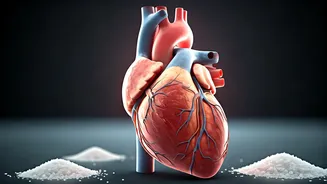
Late-night cravings frequently lead to the consumption of chips, namkeen, and other processed snack foods, which are notoriously high in sodium. Dr. Sharma explains that when you consume these salty treats before bed, your body tends to retain more water. This increased fluid volume necessitates that your heart pumps more blood, thereby elevating blood pressure at a time when it should naturally be decreasing. The impact isn't merely about the caloric content; it directly affects the pressure within your arteries. This added fluid load places unnecessary strain on the cardiovascular system, counteracting the body's natural recovery processes that begin around 7 pm. At this time, blood pressure, heart rate, and metabolic activity are meant to slow down, preparing the body for rest and repair. Consuming salty snacks directly interferes with this critical biological rhythm.
Intense Late Activity
Evenings are often perceived as a time to 'catch up' or de-stress, leading some to engage in late-night work calls, strenuous workouts, or even smoking. Dr. Sharma strongly advises against such intense activities in the late evening. These actions share a common outcome: they increase cortisol levels and stimulate the heart, pushing it into overdrive. Nicotine, in particular, is detrimental as it constricts blood vessels and raises blood pressure, as highlighted by the World Health Organization (WHO), which identifies tobacco use as a leading cause of cardiovascular disease globally. The body's ability to transition into a state of rest and recovery is severely compromised when it is subjected to such high levels of stimulation. True relaxation and cardiovascular repair cannot occur when the body is still being pushed.
The 'Nightcap' Myth
While many view alcohol as a helpful sleep aid due to its initial drowsy effect, it is, in fact, a significant disruptor of healthy sleep patterns. Dr. Sharma warns that despite causing drowsiness, alcohol profoundly disturbs the sleep cycle, leading to fragmented and less restorative rest. More critically, it can trigger arrhythmias, or irregular heart rhythms, which can go unnoticed for years. The American Heart Association (AHA) identifies alcohol as a risk factor for high blood pressure and heart disease. Even if you fall asleep, your heart remains unsettled, failing to achieve the deep rest it requires for optimal function and repair. This misperception of alcohol as a sleep enhancer masks its detrimental impact on both sleep quality and cardiovascular health.
Heavy Evening Meals
The evening meal is frequently the largest and heaviest of the day, which is precisely where the problem begins for many. Eating a substantial meal late at night forces the body to divert significant energy towards digestion precisely when it should be winding down. This diversion of blood flow to the digestive system means the heart has to work harder to maintain circulation throughout the body. This increased workload directly interferes with the natural nighttime dip in blood pressure that is essential for cardiovascular recovery. Dr. Sharma explains that consuming food within two to three hours of bedtime can impair both nighttime blood pressure regulation and glucose metabolism. A government-backed study further supports this, linking late-night eating to increased risks of obesity and poorer metabolic health. Opting for lighter, earlier dinners isn't about dieting; it's about allowing your heart the rest it critically needs.
Sleep Procrastination
The act of delaying sleep, often by engaging in activities like scrolling through social media or watching 'just one more' video, might seem harmless, but its cumulative effect is substantial. This persistent habit of 'sleep procrastination' comes at a significant cost, extending beyond mere rest deprivation. Dr. Sharma emphasizes that maintaining 'night-owl' sleep patterns is associated with an increased risk of heart attack or stroke, specifically up to 16%. The American Heart Association (AHA) corroborates this, linking insufficient sleep duration and irregular sleep timing directly to elevated cardiovascular risks. It's crucial to understand that sleep is not a passive state; it is during this period that the heart undergoes essential repair processes. By cutting sleep short, you are effectively curtailing this vital recovery time, leaving your heart vulnerable and less resilient.