





Faux Wood's Fall
The interior design world is experiencing a resurgence of many popular styles from the 1970s, including terrazzo flooring, rattan accents, and an abundance
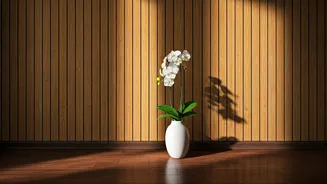
of houseplants. However, not all nostalgic elements are welcomed back with open arms. Faux wood paneling, a prominent feature in '70s living rooms and dens, stands out as a trend that most designers hope remains firmly in the past. While real wood paneling is enjoying a modern revival, its artificial counterpart is criticized for its lack of warmth and authenticity. Designers find the flat, manufactured appearance of faux wood paneling can make spaces feel somber and outdated, a stark contrast to the refined wood treatments of earlier decades. The emphasis on artificiality in faux wood paneling is precisely what sets it apart from the genuine wooden elements currently celebrated in contemporary interiors, which offer the depth and texture that today's homes seek.
Odd Windows & Shag Carpets
Beyond faux wood, several other '70s design quirks are on designers' no-comeback lists. Peculiar window placements, such as a bathroom window opening into a bedroom, are cited as a baffling architectural choice from the era that should be forgotten. Another iconic, albeit divisive, trend is wall-to-wall shag carpeting. While softer, more muted versions of shag might reappear as area rugs, the all-encompassing shag carpet is seen as overwhelming and oppressive. The original trend, characterized by its plush pile, is remembered for its distinct texture and immediate recognition, but its widespread use is considered by many to be an aesthetic misstep that contributed to a dated feel.
Matching Sets' Demise
The concept of perfectly matched bedroom and furniture sets, a common sight in the 1970s, is another trend designers are eager to leave behind. While some furniture styles from that period, like midcentury modern teak pieces, are highly sought after, the idea of a completely coordinated ensemble is considered static and uninspired. Experts suggest that breaking up these rigid sets and mixing pieces from different eras and styles can inject personality and create a more dynamic and personalized space. Instead of adhering to a pre-designed matching set, designers advocate for thoughtfully selecting individual pieces that complement each other through shared materials, shapes, or finishes, fostering a curated and unique home environment rather than one that feels plucked directly from a '70s catalog.